
Blackout Knocks Out Signals Across San Francisco
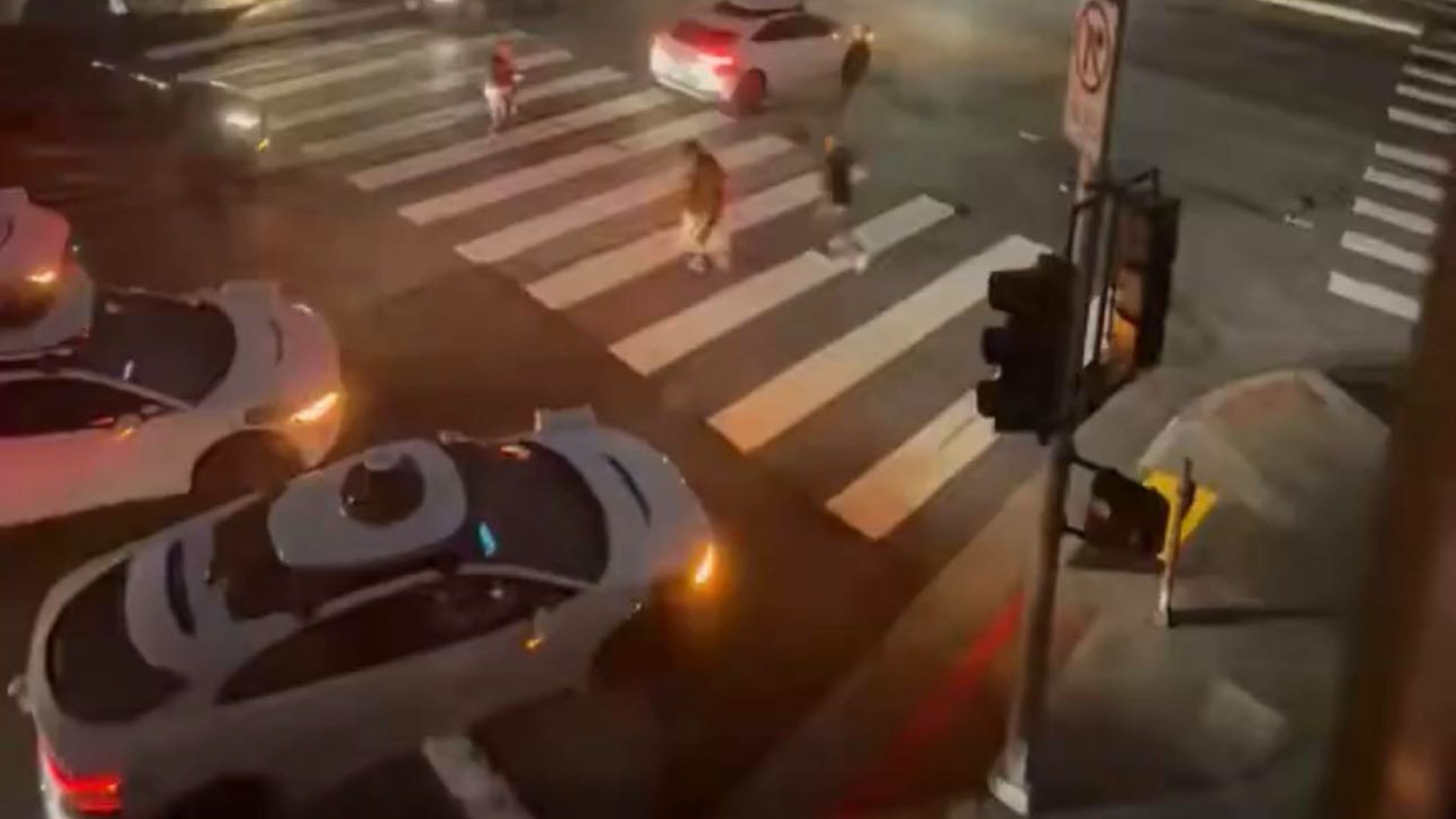
A widespread power outage in San Francisco disabled traffic signals across large sections of the city, and the fallout exposed a weak point in autonomous vehicle technology: dozens of driverless Waymo cars became stranded because they couldn’t safely navigate intersections without working lights.
Robotaxis Stopped Mid-Turn, Blocking Traffic
With signals dark, several Waymo vehicles came to a stop in the middle of intersections, and others froze mid-turn or halted in active travel lanes. Unable to determine right-of-way without functioning traffic controls, the vehicles simply stopped where they were, adding to gridlock that was already building as the outage spread.
Human Drivers Adapted — the Robots Didn’t
The incident illustrated a key gap between human and machine decision-making. Drivers navigating the blacked-out intersections could rely on eye contact, informal right-of-way negotiation, and judgment calls to keep traffic moving, even if slowly. Waymo’s autonomous systems, by contrast, appeared to have no reliable fallback for an intersection with no working signal, leaving vehicles stranded in place rather than proceeding cautiously.
Congestion Spread as Stalled Cars Blocked Lanes
Photos and video from the scene showed Waymo vehicles stopped at odd angles inside intersections, effectively acting as rolling roadblocks. With already-congested streets losing usable lane space to the stranded robotaxis, traffic backed up in multiple directions across the affected area.
A Preview of Infrastructure Risk for Autonomous Fleets
As robotaxi fleets expand into more cities, incidents like this raise questions about how well autonomous vehicle software can handle infrastructure failures rather than just normal driving conditions. A power outage is a relatively common event, and if a citywide blackout can strand a large share of an autonomous fleet at once, it points to a gap that will need to be addressed as driverless cars take on a bigger share of urban traffic.