 By Shawn Henry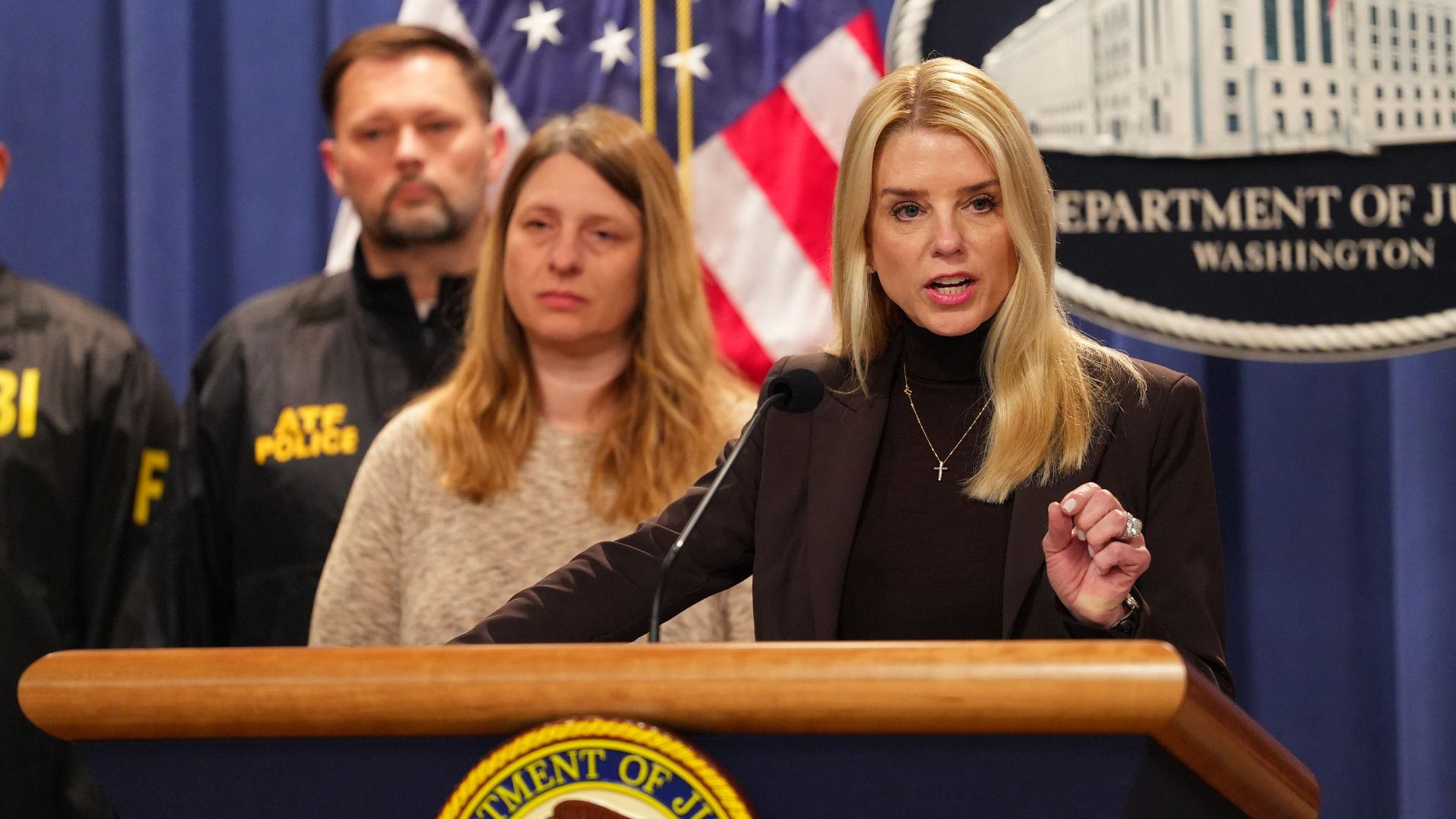
The federal government just sent a message the auto industry can’t ignore. A $1 million whistleblower payout has blown open a $16 million bid-rigging scheme that quietly distorted used car prices while an online auction company stood by and did nothing.
10 Biggest Automotive Scandals That Shook the Industry
The Department of Justice and the U.S. Postal Service announced the first-ever reward under the Antitrust Division’s Corporate Whistleblower Awards Program, paying out after information led to criminal antitrust and fraud resolutions against EBLOCK Corporation. EBLOCK operates an online platform for used vehicle auctions. It wasn’t some fringe player. It was a marketplace trusted to set fair prices in a system already under strain.
According to federal prosecutors, the problem began after EBLOCK acquired another online auction platform in November 2020. What followed was not ignorance or oversight. It was inaction. For more than a year, from November 2020 through February 2022, bid-rigging and fraud were allowed to continue on the acquired platform. Fake bids were used to suppress competition and manipulate outcomes, artificially driving up prices on used vehicles.
This wasn’t a victimless scheme hidden in spreadsheets. Used cars are one of the biggest purchases American households make. Every inflated bid landed directly on consumers already squeezed by limited supply and rising costs. The scheme worked because it looked legitimate on the surface. Online auctions promised efficiency, transparency, and competition. In reality, the system was gamed, and the company responsible failed to stop it.
Federal officials made clear that the conspiracy relied on shill bidding and mail-based documentation, turning a supposedly modern digital marketplace into an old-fashioned fraud operation. EBLOCK now faces a $3.28 million fine, mandatory compliance reforms, and ongoing cooperation with a broader criminal investigation.
The larger takeaway is unavoidable. The used car market didn’t police itself. The platform didn’t step in. The harm continued until a whistleblower forced the government’s hand. Now the industry is on notice. When companies choose profits over oversight, regulators will step in, expose the damage, and pay insiders to tell the truth. This wasn’t reform driven by goodwill. It was enforcement driven by failure—and it finally forced action.
 John Lloyd
  Eve Nowell