
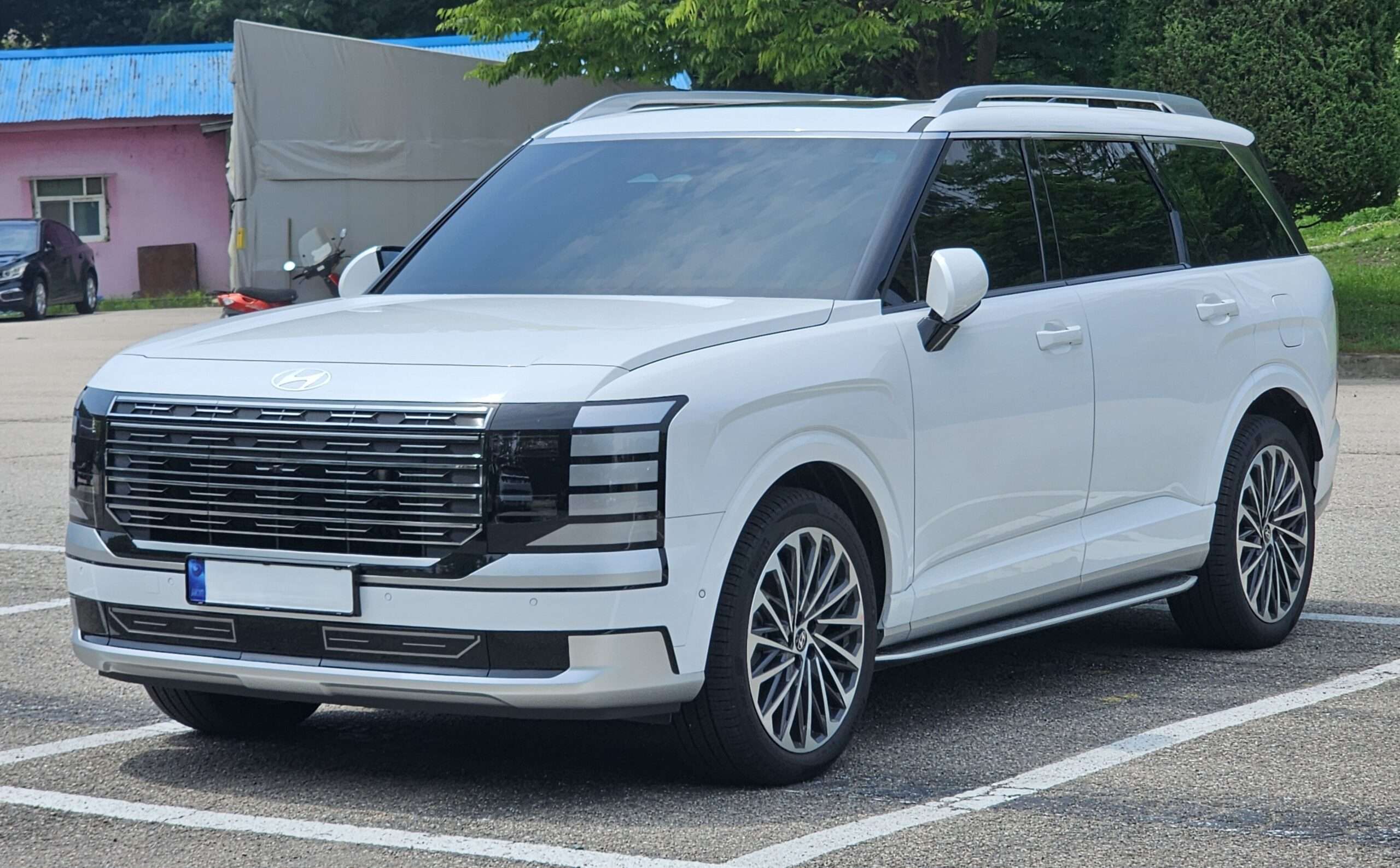
A vehicle built to carry families safely is now at the center of a deadly investigation, and it’s forced Hyundai to halt sales of one of its most talked-about SUVs. More than 60,000 Hyundai Palisade models are caught up in a stop-sale order and pending recall after a fatal incident involving a young child raised serious questions about how the vehicle’s power seats actually behave.
This isn’t a minor defect buried in a footnote. It’s a case that shines a light on a feature most drivers assume is safe by default, and what happens once that assumption breaks down.
10 Car Accessories You’ll Actually Use
The Mechanical Problem at the Center of the Recall
The issue traces back to the Palisade’s second- and third-row power-folding seats. According to Hyundai, the system may fail to properly detect a person or object in the way during operation, meaning the seats can keep folding even if someone is occupying that space.
That’s a serious failure in practice. These systems are designed to stop automatically the moment they detect resistance, which matters enormously in a vehicle marketed directly at families. When that safeguard doesn’t work as intended, things can escalate in an instant. That risk turned tragic following the death of a 2-year-old girl in Ohio on March 7. The incident remains under investigation, but it was serious enough to prompt Hyundai to issue an immediate stop-sale order across the United States and Canada.
Which Palisade Trims Are Actually Affected
The recall is specific to certain versions of the redesigned 2026 Hyundai Palisade, namely the Limited and Calligraphy trims. These aren’t base models, they’re the premium end of Hyundai’s flagship SUV, equipped with standard power-folding third-row seats and the kind of convenience tech that comes bundled with higher trim levels.
That detail says something about a broader industry trend: as automakers pack more convenience technology into higher trims, complexity rises right along with it, and so does the risk when something fails. The timing stings, too, since the redesigned Palisade had been building real momentum with buyers and reviewers before this recall hit.
There’s No Hardware Fix Yet
Hyundai currently has no immediate hardware fix available. In the meantime, the company is telling owners to exercise real caution with the affected seat functions, confirming no one is in or near the seat area before activating the power-folding system, and avoiding the seatback controls during entry or exit when passengers are most vulnerable. The safest guidance right now is to only operate the power-folding seats when the vehicle is completely empty, which effectively shifts the burden onto the driver to compensate for a system that isn’t behaving as designed.
Hyundai has submitted recall details to federal regulators and is developing an over-the-air software update meant to improve how the system responds to resistance. That update is expected by the end of March but is being framed as a temporary risk-reduction measure, not a complete fix. Hyundai says it will provide rental vehicles to affected customers while the permanent repair comes together.
Why This Recall Cuts Deeper Than Most
Recalls happen constantly in the auto industry, but this one lands differently because it touches a safety expectation tied to routine, everyday use. Power seats aren’t some niche feature, they’re something owners interact with constantly without a second thought. When a system like that fails, it undercuts the broader assumption that more technology automatically means more safety. In reality, added complexity introduces new points of failure, especially in systems that lean on sensors and automated responses rather than simple mechanical stops.
What It Means Going Forward
This case forces a harder conversation about how much responsibility should sit with drivers versus the automated systems built into modern vehicles. If a feature is marketed as safe and automatic, owners reasonably expect it to behave that way every single time. Whether this incident leads to real changes in how these systems get designed and tested, or simply fades once the next model year arrives, remains to be seen. For anyone driving with family in the back seat, the stakes are clear: when safety tech fails, it isn’t a minor glitch, it’s a risk nobody should have to second-guess.