 By Eve Nowell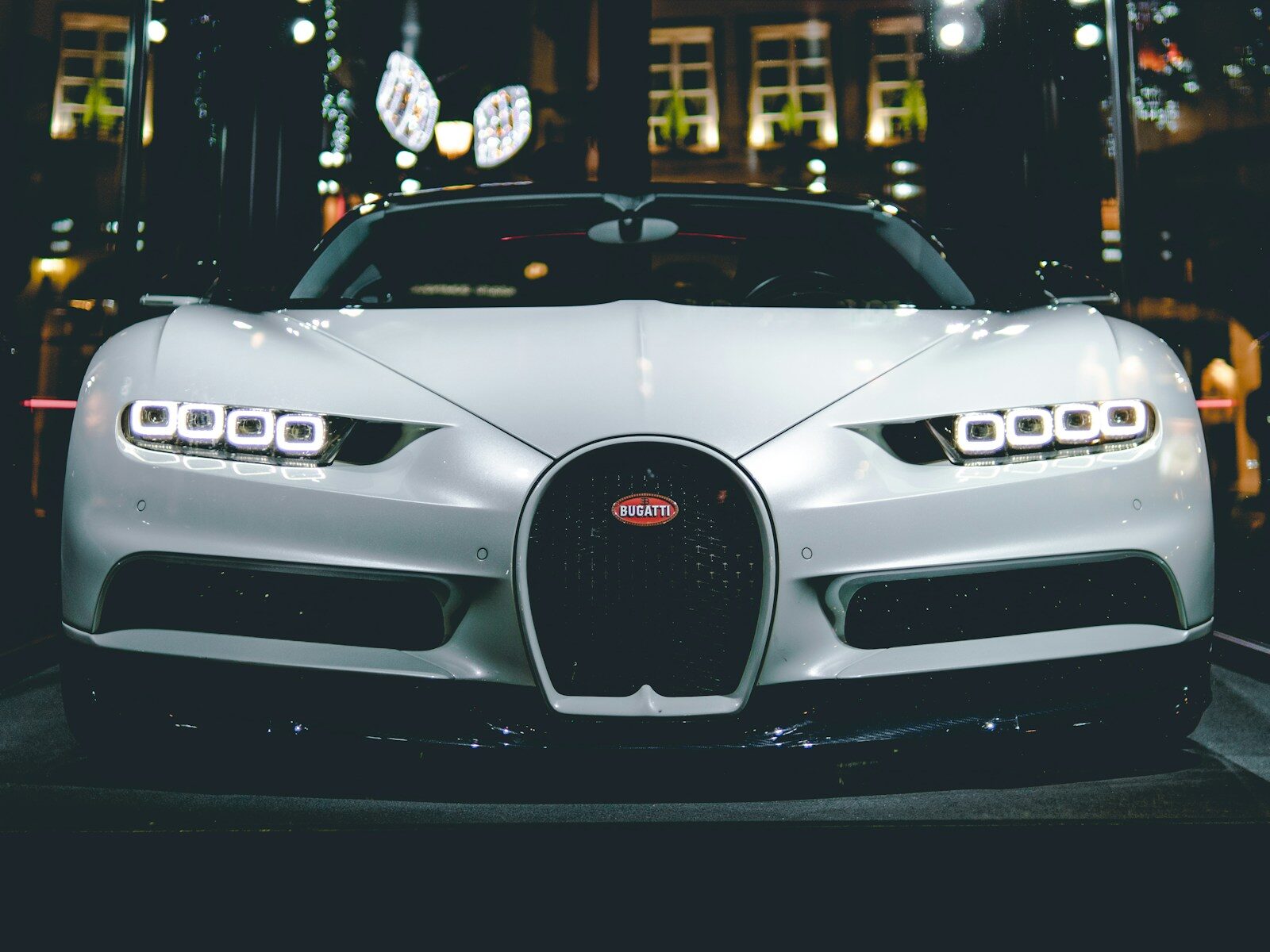
Bugatti just lost the company that brought it back from the dead. After nearly three decades under Volkswagen control, the German giant is officially out, selling its final stake and walking away from one of the most recognizable names in the hypercar world. That’s not a small shift. That’s the end of an era that defined what modern Bugatti even is.
And here’s the part that matters. Nobody really knows what Bugatti looks like without Volkswagen behind it.
More Stories Like This
- Teen’s Dream Camaro Found Outside KC Bar After Months at Mechanic, Family Demands Answers
- $60K Corvette Z06 Stolen in Seconds During Test Drive Gone Wrong in Chicago
- Porsche Pulls Out of Bugatti and Rimac After 93% Profit Collapse
This all traces back to a deal involving Porsche, which had been holding key stakes in both Bugatti Rimac and the broader Rimac Group. Those stakes are now gone, sold off to a consortium led by HOF Capital. The price wasn’t disclosed, but the message is clear enough. Volkswagen, through Porsche, is done here. Completely.
To understand why that matters, you have to go back to 1998. That’s when Volkswagen stepped in and revived Bugatti after the EB110 era collapsed. At the time, Bugatti wasn’t the powerhouse name it is now. It was more of a legend people talked about than a brand building cars. Volkswagen changed that.
First came the Veyron. Then the Chiron. These weren’t just fast cars. They reset expectations. Quad turbo W16 engines, record-breaking speeds, engineering that felt borderline excessive. That was the point. Bugatti became the place where limits didn’t really apply.
But that version of Bugatti doesn’t exist anymore. Not in the same way.
In 2021, things already started shifting when Bugatti was merged into a new joint venture with Rimac. That move was supposed to blend old-world hypercar prestige with new-school electric innovation. Porsche held a major piece of that structure, owning 45 percent of Bugatti Rimac and over 20 percent of Rimac Group itself.
Now that’s gone. Every bit of it.
Control moves fully into the hands of Mate Rimac and a fresh lineup of global investors. That’s where things change. Because while Rimac brings serious electric performance credentials, Volkswagen brought something else entirely. Scale. Depth. A massive engineering network that quietly supported Bugatti in ways most people didn’t see.
And that’s where it gets complicated.
Bugatti under Volkswagen wasn’t just building cars in isolation. It was plugged into a much bigger ecosystem. Shared components, shared technology, shared resources across brands like Audi and others within the group. There’s already been evidence showing that even something as exclusive as a Chiron Super Sport had ties back to more mainstream parts.
That doesn’t make the car less impressive. It shows how deep that network ran.
Related Incidents
- Tow Truck Heist Turns Personal as Customer’s Camaro Vanishes With Stolen Rig
- Rental Company Demanded $9,500 Over Diesel Fuel in Gas Car — Couple Fought Back and Exposed a Bigger Problem
Without that structure, Bugatti has a choice to make. Either keep leaning on outside suppliers like any other boutique manufacturer or go all-in on developing everything in-house under Rimac’s direction. Neither path is simple. Both come with cost, risk, and a completely different way of building these cars.
At the same time, Bugatti isn’t standing still. The Mistral is already marking the final stretch of the W16 era, closing out one of the most outrageous engine programs ever put into production. After that, things look very different.
The Tourbillon gives a glimpse of what’s coming next. It swaps out the W16 for a naturally aspirated 8.3 liter V16 paired with three electric motors, delivering a combined 1,775 horsepower. That’s a massive number, but more importantly, it shows where the brand is headed. Electrification is no longer a side experiment. It’s front and center.
Still, stepping away from Volkswagen means losing a safety net.
Meanwhile, Porsche isn’t exactly making this move from a position of strength. The company has been dealing with a brutal financial downturn, with operating profit dropping more than 90 percent to around 478 million dollars in 2025. Profit margins took a similar hit, sliding from over 14 percent to just above 1 percent.
That kind of shift forces decisions. Hard ones.
Porsche leadership has already made it clear they’re refocusing on core operations. Their latest push into electric models, including the Cayenne Coupe, signals where their priorities are going. Bugatti, for all its prestige, simply doesn’t fit into that strategy anymore.
So they walked.
For Bugatti, this isn’t just a corporate shuffle. It’s a full reset. No more Volkswagen oversight. No more shared parts bin. No more default playbook to follow. That might sound freeing, and in some ways it is. But it also means every future decision carries more weight.
There’s no fallback now.
What happens next will define the brand for years, maybe decades. Whether Bugatti becomes more extreme, more experimental, or something entirely different depends on how Rimac and its new backers choose to move forward. The foundation has been cleared. The expectations haven’t.
And that’s the reality sitting in front of Bugatti right now.
The company that once relied on one of the largest automotive groups in the world is now on its own path. Maybe that leads to something even more groundbreaking. Maybe it doesn’t. But one thing is certain. The Bugatti people think they know, the one shaped by Volkswagen’s engineering muscle, is gone.
You Should Read This Next
GM Drops $40 Million on One Hire and It’s Not Who You Think
This Restored Honda Integra Type R Just Changed the Market Forever—and $120,000 Is Only the Beginning
 Shawn Henry