 By John Lloyd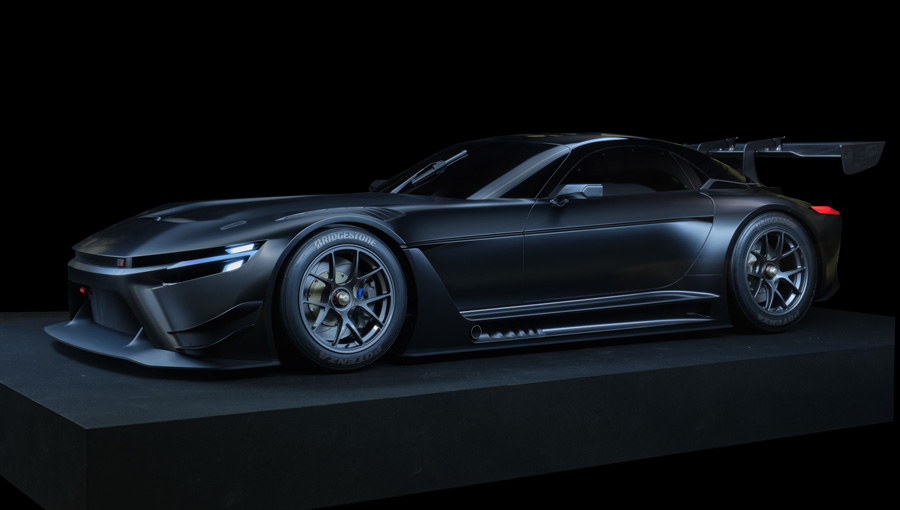
Toyota is about to do something that might frustrate wealthy buyers and excite actual drivers at the same time. Its upcoming GR GT halo car is expected to cost more than 200,000 dollars, which already puts it in rare territory. But here’s where things change. Even if someone can afford it, that might not be enough to get one.
The company is reportedly considering limiting who can actually buy the GR GT, not based on income or status, but on whether they’re the kind of person who will drive it. Not park it. Not stash it away in a climate-controlled garage. Drive it. That decision alone shifts the tone of this launch from just another expensive supercar to something a little more intentional.
More Stories Like This
- BREAKING: Gas Prices Hit 4-Year High as Oil Shock From Middle East Conflict Spreads
- Jeep Wrangler Gets Stuck, Then Ignites 20-Acre Wildfire in Florida Forest
- Waymo Robotaxi Seen Near Violent Four-Car Crash, Drives Away Calmly as Internet Erupts Over What Really Happened
On paper, the GR GT checks all the right boxes. It’s powered by a 4.0-liter twin-turbo V8 paired with a hybrid system, producing at least 641 horsepower. That’s serious output, no matter how you slice it. Toyota isn’t playing around here. This isn’t just a branding exercise or a flashy concept turned production. It’s meant to compete in a space where performance credibility matters, and where buyers expect more than just a badge.
But the real story isn’t just the engine or the price. It’s how Toyota plans to sell it.
Instead of opening the order books to anyone with a big enough bank account, the company appears ready to take a more controlled approach. Buyers may be selected, not just approved. That’s a different mindset, especially coming from a brand that built its reputation on accessibility and reliability.
And that’s where it gets complicated.
Toyota is essentially trying to protect the identity of this car before it even hits the road. The concern is simple. Too many high-end performance cars end up as what enthusiasts call garage queens. They’re bought, stored, and rarely driven. It happens all the time, especially at this price level. The car becomes an investment or a showpiece, not something that fulfills its actual purpose.
Toyota doesn’t want that.
Related Incidents
- $120K Repair, 590 Days Waiting: Porsche Turbo S Owner Says Insurance Process Left His Car Undrivable
- Insurers Go After Toyota, Honda, Stellantis With $72 Million Lawsuit Over Theft Wave
To make sure the GR GT ends up in the right hands, the company is reportedly putting more than just a purchase process in place. U.S. dealers will receive specialized training to handle these sales, which suggests this won’t be a typical showroom experience. Buyers won’t just walk in, sign paperwork, and leave with the keys.
Instead, they’ll be invited to something called the GR Academy. That’s where things get interesting. It’s described as a hands-on driving experience, which means Toyota wants owners to understand the car, push it, and connect with it before they even take it home.
That’s not just a perk. It’s part of the filtering process.
Here’s the part that matters. Toyota isn’t just selling a car here. It’s trying to build a certain kind of ownership culture. One where the driver matters as much as the machine. That’s not common in today’s market, especially at this level, where exclusivity often revolves around price and limited production numbers.
Instead, Toyota is leaning into driving pedigree. Not necessarily professional racing credentials, but a demonstrated passion for actually using performance cars the way they’re meant to be used.
That approach comes with risks.
You Should Read This Next
- Dodge Viper Pulled Down After 28 Years on a Pole — What They Found Inside Was Worse Than Expected
- Ford Quietly Drops Shelby Name on New Mustang and the Reason Might Come Down to Millions
Some buyers won’t like being told they’re not the right fit, especially after spending years working toward being able to afford something like this. It could also limit how quickly Toyota can sell out the GR GT, depending on how strict the selection process really is.
But there’s another side to it.
By controlling who gets behind the wheel, Toyota protects the image of the car long term. It keeps the GR GT visible on roads and tracks instead of disappearing into collections. It reinforces the idea that this isn’t just a luxury object, but a serious performance machine.
That matters if Toyota wants to be taken seriously in the elite supercar tier.
Because let’s be honest. Breaking into that space isn’t easy. Brands in this segment aren’t just competing on horsepower or design. They’re competing on identity. On history. On whether people believe the car belongs there.
Toyota has been building credibility through its Gazoo Racing division for years now, and the GR GT looks like the next big step in that direction. But credibility can fade fast if the car ends up as a static display piece instead of something people actually see in motion.
So the company is trying to get ahead of that.
It’s a bold move, and not everyone will agree with it. Some will call it unnecessary. Others will see it as a refreshing change from the usual pay-to-play model. Either way, it sends a clear message about what Toyota wants this car to represent.
Not just power. Not just exclusivity. But purpose.
And that’s where this whole thing lands. The GR GT isn’t being positioned as something you own just to say you own it. It’s something you’re expected to use. To experience. To push.
If Toyota follows through with this approach, it could change how people think about high-end performance cars, even if only slightly. Or it could end up being a niche experiment that only a handful of buyers ever get to experience.
Either way, one thing is clear. Having the money won’t guarantee a spot in the driver’s seat.
And for a lot of enthusiasts, that might be the best part of the whole story.
Continue Reading: Canada Just Drew a Hard Line on Gas Cars and the Auto Industry Is Running Out of Time
Source
 Shawn Henry