
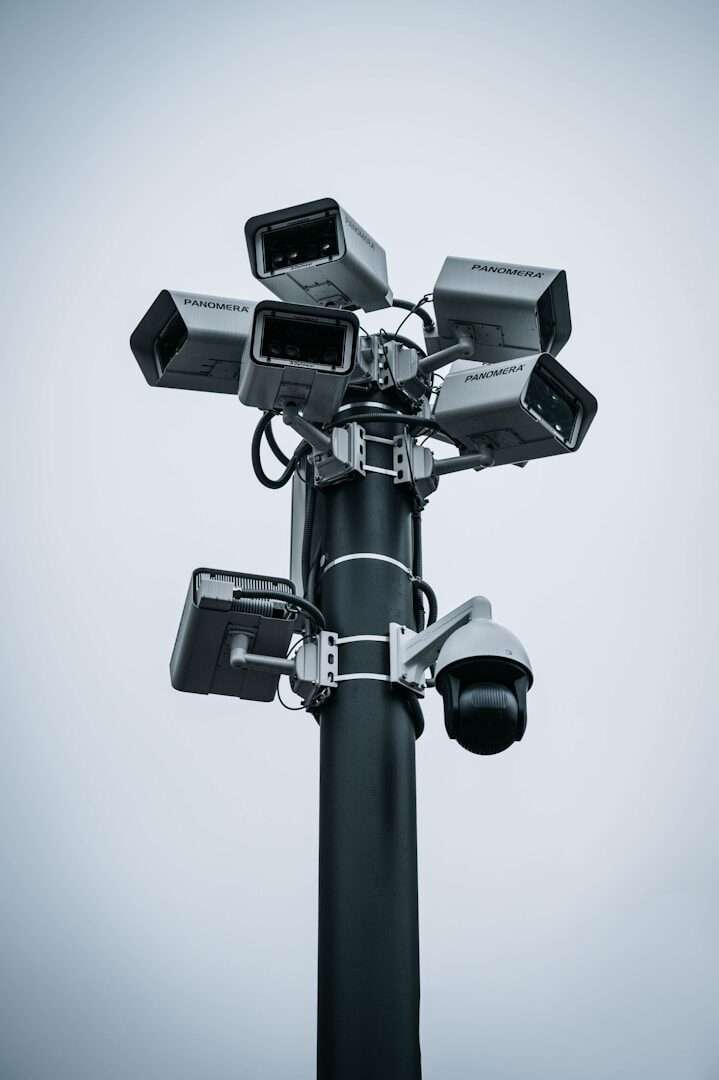
The pitch behind automated license plate readers is seductively simple: give an understaffed department a way to do more with less. Bolt the cameras to poles, point them at traffic, and let software surface the stolen cars and wanted plates so officers can act. Oakland, California, bought that pitch. Then it ran into a problem the sales deck never mentions, the system worked so well at generating alerts that the department turned a big chunk of them off.
That is not a typo. According to Oakland Police Department figures, officers were buried under so many notifications they had no realistic way to act on that the department reportedly disabled alerts for stolen vehicles and stolen plates outright. The single feature these networks are marketed on became the one Oakland could not use.
10 Automotive Gadgets Worth Checking Out
The Problem Isn’t Accuracy. It’s Arithmetic.
Oakland’s own reporting puts the scale in stark terms. In 2025 the department logged 1,099,837 hotlist alerts from its camera network, including more than 620,000 hits tied to plates flagged as stolen. No patrol force can chase down a million-plus alerts in a year. When every notification demands triage and the vast majority lead nowhere actionable, the signal drowns in its own volume, and officers learn to tune it out. Oakland’s fix was to stop the flood at the source and switch the stolen-vehicle and stolen-plate alerts off.
Two Readings of the Same Numbers
Lt. Gabriel Urquiza, presenting to Oakland’s Privacy Advisory Commission, framed the cameras as one piece of a broader push against violent crime rather than a stolen-car dragnet, a way to generate leads investigators can develop after the fact. Critics affiliated with Oakside.org read the same data differently, arguing that a system producing a million alerts while its headline function sits disabled is not the crime-fighting tool residents were sold. Resident Bryan Culbertson, whose car was among roughly 3,000 stolen locally, described being pinged with alerts on his own vehicle roughly 70 times, a vivid illustration of how a single case can flood the system without producing a recovery.
When the Vendor Concedes the Point, Pay Attention
The most telling admission came from the camera maker itself. Flock’s chief security officer, Rahul Sidhu, acknowledged that the sheer volume of alerts can be difficult for departments to manage. When the company selling the surveillance network concedes that its output can overwhelm the customer, the debate stops being about whether the tool works and starts being about whether anyone can actually use what it produces.
The Lesson Travels Well Beyond Oakland
Oakland is not unique in blanketing its streets with plate readers, which makes its experience a warning for every city weighing the same purchase. A camera network is only as useful as a department’s capacity to respond to what it flags. Buy more alerts than you can act on and you don’t get more safety, you get a data firehose, an eventual off switch, and a bill for both. The question cities should ask before signing isn’t how many plates a system can read. It’s how many hits their officers can realistically chase before the whole thing gets muted.