
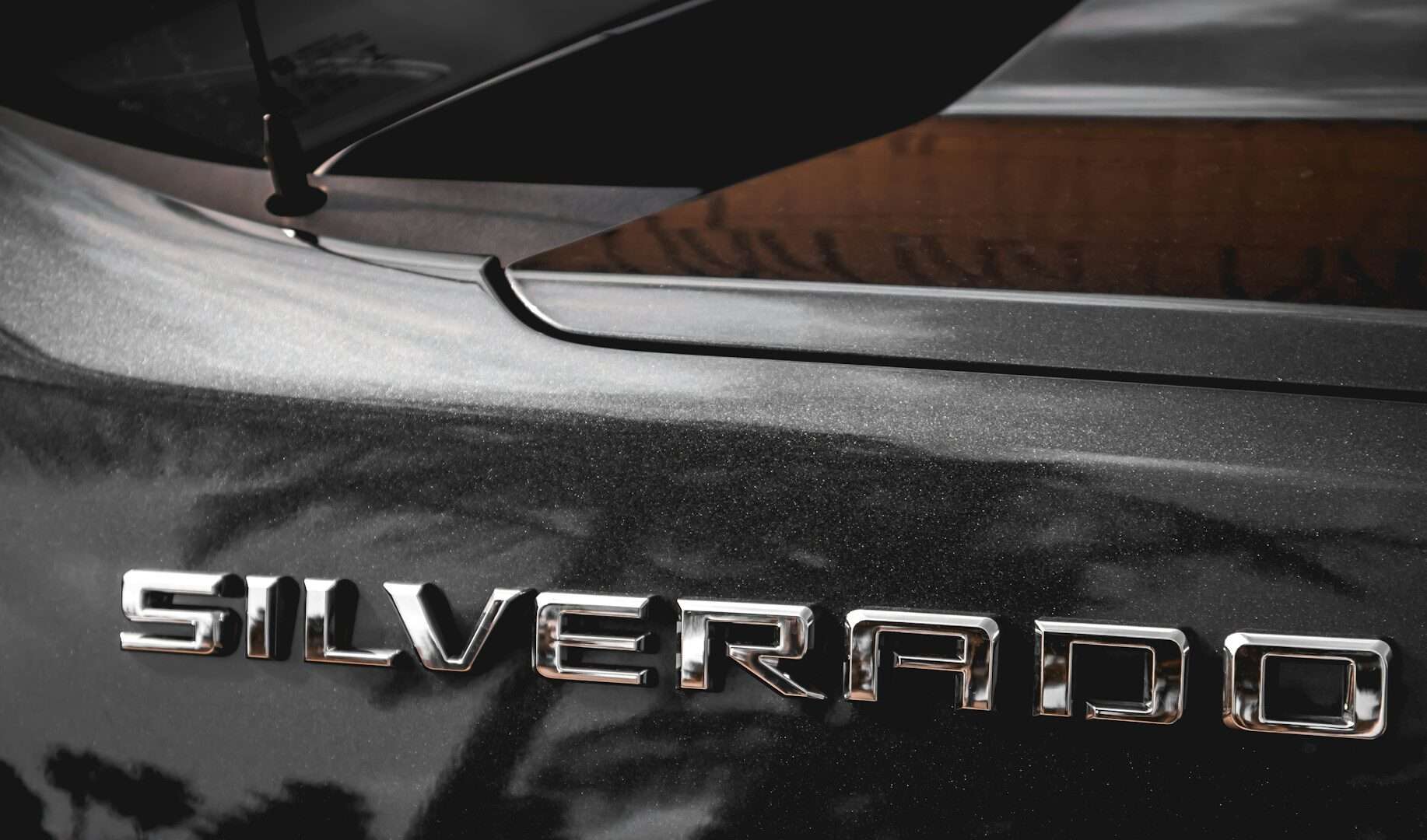
Chevrolet is walking away from some of the biggest trucks that wear the Silverado badge, and the timing says a lot about where the medium-duty truck market is heading. GM has decided not to renew its production agreement with International Trucks, and as a result the Silverado 4500HD, 5500HD, and 6500HD will be discontinued this fall. The decision is already triggering fallout well beyond GM itself, including the shutdown of truck production at a major Ohio plant.
10 Automotive Gadgets Worth Checking Out
This is not a minor lineup trim or a quiet fleet adjustment. Chevrolet is exiting an entire slice of the commercial truck business tied directly to its heaviest Silverado models. And when an automaker pulls out of a market where Ford is still competing aggressively with its F-650 and F-750, the truck world takes notice.
The Production Deal Falls Apart
Production of the Silverado medium-duty lineup is scheduled to end September 30 at International Trucks’ Springfield, Ohio facility. The trucks were co-developed alongside International’s CV Series models, and both brands leaned heavily on the same plant. International’s own CV Series production is set to stop even earlier, on September 10, because most of the factory’s workload revolved around Chevrolet’s trucks.
That detail matters. Once GM decided not to renew the contract it signed with International back in 2015, the entire production equation changed. The Springfield plant suddenly lost the program keeping much of its capacity alive. The disruption grew significant enough that International sold the Ohio facility to Canadian defense contractor Roshel earlier this year. A simple product cancellation quietly turned into something much bigger.
What Made These Trucks Different
The Silverado 4500HD, 5500HD, and 6500HD were Chevrolet’s answer to medium-duty commercial work. These were not consumer pickups built for mall parking lots and weekend hardware store runs. They were serious commercial rigs aimed at fleets, contractors, towing operations, utility crews, and heavy hauling businesses.
Under the hood, all three models used GM’s Duramax 6.6-liter turbodiesel V8 producing 350 horsepower and 750 pound-feet of torque, paired with an Allison six-speed automatic transmission built around durability rather than speed or luxury. Chevrolet also offered four-wheel drive and multiple cab layouts, including regular cab, double cab, and crew cab, with wheelbases stretching from 165 inches all the way to 243 inches depending on the job. For buyers who want a sense of where the badge is heading instead, a patent filing recently revealed a redesigned 2027 Chevrolet Silverado ahead of schedule.
Why Automakers Are Backing Away From Big Trucks
The medium-duty segment sits in an awkward middle ground. It is far lower in volume than the consumer half-ton and three-quarter-ton pickups that print money for Detroit, yet it demands its own engineering, certification, and, in GM’s case, dependence on an outside partner’s factory. When a segment is both small and operationally complicated, it becomes an easy target the moment capital is needed elsewhere.
That capital is increasingly being steered toward electrification and the most profitable retail trucks and SUVs. GM has already shown which way the wind is blowing, recently switching a factory from EVs to gas-powered trucks and SUVs and even boosting truck plant output by 20 percent at its high-demand consumer lines. A diesel medium-duty program built around a decade-old partnership simply doesn’t fit cleanly into that roadmap.
Partner dependency also turned out to be a strategic vulnerability. GM did not fully own this production; it relied on International’s plant. That arrangement is efficient when volumes are healthy but fragile when they soften. Shared-plant economics can unravel fast, as recent supply-chain headaches showed when a GM plant idled again amid parts shortages that disrupted North American truck production.
A Shrinking Field and a Cooling Market
With GM stepping out, Ford is left competing more alone in the medium-duty space. That’s a classic consolidation pattern: the survivor can scoop up share, but the segment overall loses competitive intensity. More pricing power for Ford, fewer choices for fleet buyers.
The broader backdrop is not exactly booming, either. Truck demand is sensitive to fuel costs, and recent reporting has warned that rising oil prices could pressure U.S. truck and SUV sales. When the math on a low-volume, partner-dependent commercial line stops adding up, the decision to walk away gets easier.
The Bottom Line
It’s tempting to read this as “big trucks are dying,” but that misses the point. The Silverados, F-150s, and Rams that dominate U.S. sales charts remain the core profit engines of these companies and are not going anywhere. What’s being killed off here is a specialized work-truck niche whose economics stopped justifying the engineering and manufacturing overhead, especially once the underlying factory partnership lost its anchor program. The most telling epilogue is that the plant is being repurposed for military manufacturing, a clear sign the civilian demand to keep it running just wasn’t there.