
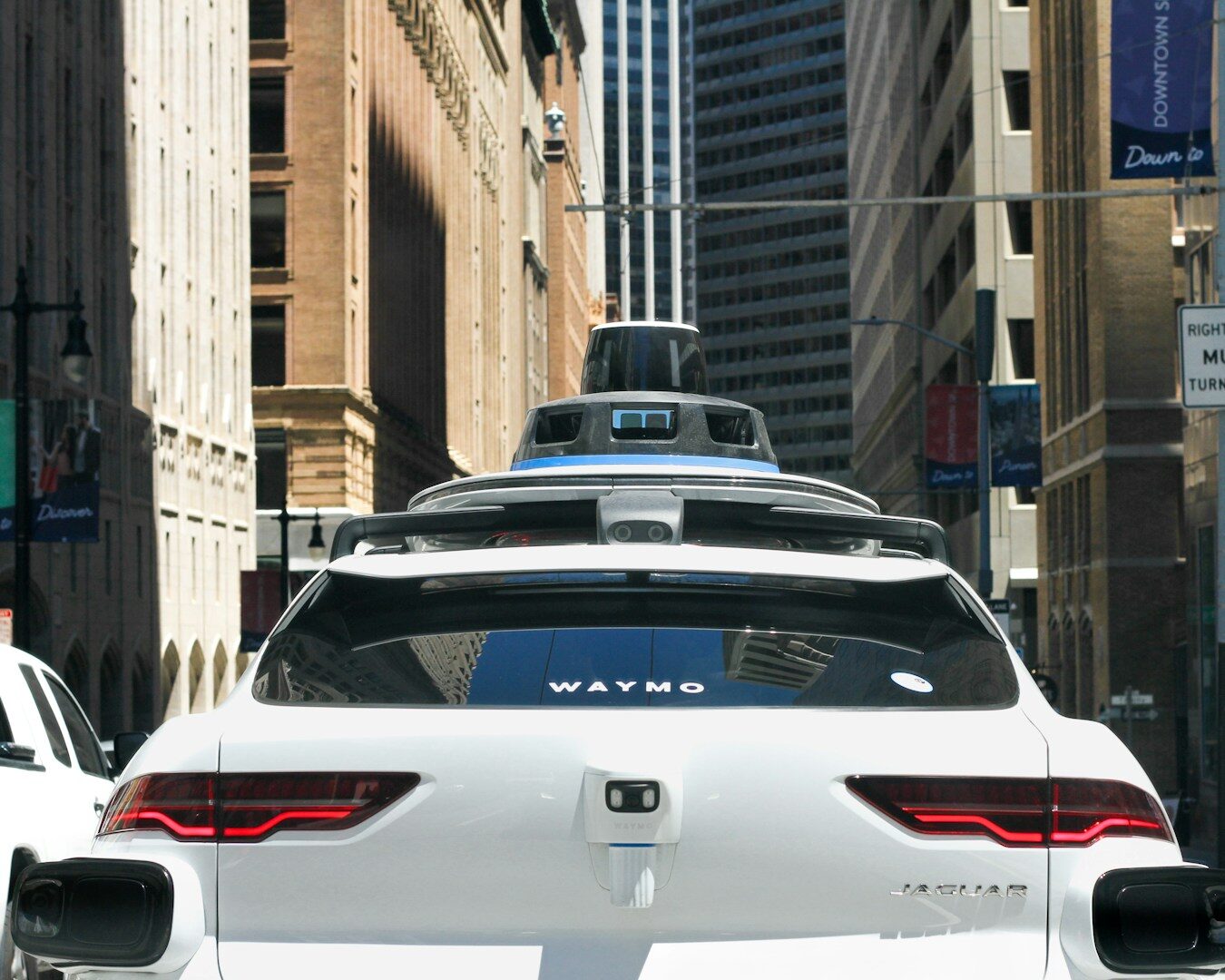
Nine years ago, Waymo dragged Uber into federal court and accused it of stealing the blueprints for its self-driving program. Uber settled for $245 million in stock rather than let a jury decide. Six years after that, the two companies went into business together anyway, putting Waymo’s robotaxis inside the Uber app in Phoenix. Now, according to a Financial Times report, Waymo is quietly discussing whether to walk away from Uber again — this time in Austin and Atlanta, the two markets where the partnership actually grew.
The headline version of this story is corporate soap opera: two old rivals drifting apart, again. The real story is more useful than that, and more revealing about what a robotaxi business actually is. Waymo and Uber aren’t splitting over stolen code this time. They’re splitting because a self-driving car company and a ride-hailing marketplace turned out to be running two fundamentally different businesses that only looked the same from the outside.
What’s Actually Falling Apart
Uber says Waymo has already told it that it plans to start operating on its own in Austin and Atlanta beginning January 2028, the earliest date the current contract allows. The existing deal runs through May 2028. In the meantime, both sides are airing complaints. Waymo isn’t happy with how Uber handles vehicle cleanliness and routing in the field. Uber isn’t happy with the financial terms, and it doesn’t like that Waymo’s cars go offline in bad weather — exactly when rider demand, and Uber’s need for supply, spikes. In May, a group of Waymo vehicles blocked an entire cul-de-sac in Atlanta, a routing failure that sources say belonged to Uber’s dispatch, not Waymo’s driving software.
That single incident says more about this breakup than either company’s official statement. Waymo builds the driving software. Uber, through its fleet partner Avomo, has been handling where the cars go between rides, when they get cleaned, and how they get staged for the next pickup. When a dozen robotaxis pile into a dead end street, that isn’t evidence the self-driving system failed. It’s evidence that nobody was managing the fleet the way an operator needs to.
That distinction — driving versus operating — is the whole story.
The Business Uber Was Never Built to Run
Uber’s model, since 2009, has depended on never owning the cars. Drivers buy the vehicles, insure them, maintain them, clean them, and absorb the depreciation. Uber just runs the marketplace connecting them to riders and takes a cut. That’s what let it scale into one of the most valuable transportation companies on earth without owning a single vehicle.
Robotaxis remove the one piece of that arrangement that made it work: the driver. There’s nobody to buy the car, nobody to vacuum crumbs out of the back seat between rides, nobody to decide whether it’s safe to keep driving through a thunderstorm. Somebody still has to make those calls. In Austin and Atlanta, that somebody was supposed to be Uber, working through Avomo. Waymo’s complaints suggest the arrangement never really worked, and the Atlanta cul-de-sac is the clearest public evidence of it.
This is worth sitting with, because it isn’t a small operational footnote. It’s the reason Waymo raised $16 billion in February at a $126 billion valuation. Running a robotaxi fleet means owning depots, chargers, cleaning crews and remote monitoring centers in every city it serves. Waymo already runs its own booking app in Phoenix, San Francisco and Los Angeles, and it has started building its own purpose-built robotaxi rather than only retrofitting Jaguars and Hyundais. Vertical integration isn’t a slogan here. It’s a cost strategy, and the same instinct toward owning the whole stack shows up in Waymo’s expanding manufacturing footprint.
The Part Nobody Wants to Say Out Loud
There’s a second, less flattering thread running through this breakup, and it has nothing to do with Uber at all. Since the start of the current school year, Austin school officials have documented roughly 20 cases of Waymo vehicles driving past stopped school buses with their stop arms extended. Atlanta officials have logged at least six more. The National Transportation Safety Board, an agency that typically reserves its highway investigations for crashes with major public-safety stakes rather than routine traffic violations, opened a formal inquiry into the pattern.
In March, the NTSB traced at least one of those incidents to human error, not a software failure. Specifically, a mistake made by a remote assistance agent, a person sitting at a desk somewhere, guiding the car from behind a screen. That detail undercuts the entire premise of a robotaxi, which is supposed to keep driving decisions inside the vehicle rather than in the hands of a person. Regulators have already had to draw a similar line once before, in a fatal Tesla Full Self-Driving crash, and now they’re drawing it again with Waymo. Increasingly, when something goes wrong, investigators have to ask whether the failure belongs to the code or to whoever is remotely supervising it. That’s a liability question insurers and regulators still haven’t settled, and it’s one more reason Waymo may want routing, monitoring and remote assistance all under one roof instead of split across two companies pointing fingers at each other.
Why This Matters More Than the Corporate Drama
Robotaxis don’t always fail quietly, either. Multiple states have already had to write new rules just to deal with autonomous vehicles that stall out mid-route, because there’s no driver inside to wave over a tow truck or simply put the car in neutral. Every one of these incidents — the stuck cars, the cul-de-sac gridlock, the school buses — points to the same underlying truth. Waymo learned a version of this lesson years ago, back when it had to recall its entire fleet after a single car drove into rising floodwaters. Proving a car can drive itself was never the hard part. The hard part is building an organization disciplined enough to run thousands of driverless vehicles safely, cleanly and predictably, every day, in weather the software doesn’t like and situations no engineer anticipated.
Uber was built to avoid exactly that kind of operational weight. That’s also, ironically, what makes it a poor fit to run somebody else’s driverless fleet.
Alphabet clearly believes Waymo is now big enough, funded enough and confident enough to do that job itself. Whether that’s true will show up in the data Austin and Atlanta generate over the next 18 months, not in this week’s statements, which are notable mostly for what they don’t admit. Waymo says it believes in a “vibrant and collaborative AV ecosystem.” Uber insists it isn’t trying to slow anything down. Neither company will say plainly that the partnership stopped working. The data already has.
A self-driving car doesn’t need a driver. It still needs a boss. Waymo just decided that job shouldn’t belong to somebody else.