
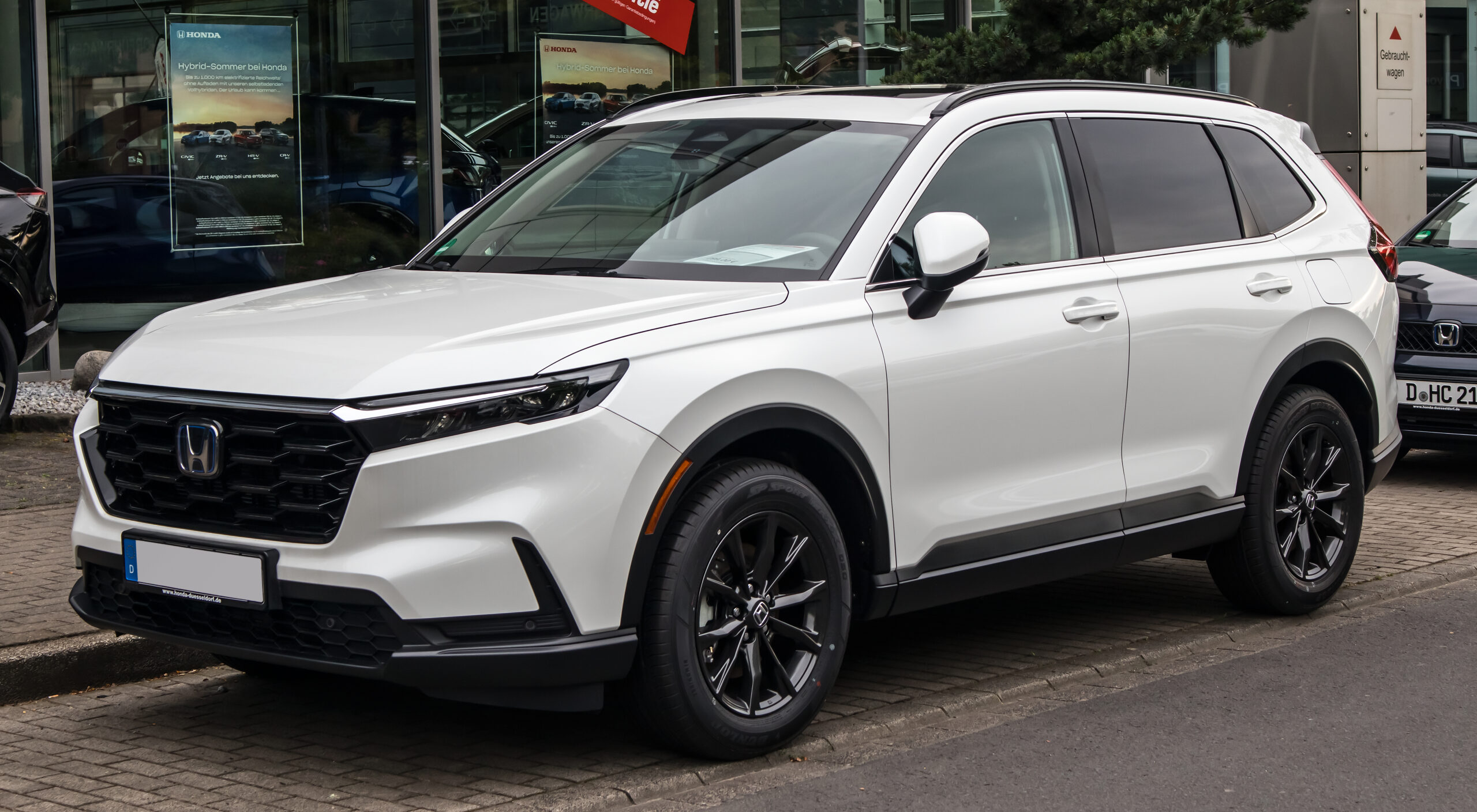
A stolen car turning up isn’t the same as a case getting solved. Philadelphia just spent a month proving that, thirty times over.
Over the past month, Philadelphia police have recovered roughly 30 stolen Honda vehicles scattered across the city, most of them already stripped down to the frame by the time anyone found them. A residential lot at 3rd and Westmoreland Street in North Philadelphia has become an informal dumping ground, with NBC10 finding dismantled Hondas there on more than one visit, including one as recent as July 22. A hiker found three more, all Honda CR-Vs, stripped and abandoned along the Tacony Creek Park Trail. The department’s Major Crimes Unit is now trying to determine whether the thefts are connected. Investigators believe devices that clone or copy key fob signals are involved in at least some of the cases. Nobody has been arrested.
That last detail is the one worth sitting with, because most coverage of a story like this leads with the recovery number, as if getting the cars back were the headline. It isn’t. A recovered vehicle in a police log and a solved theft are two entirely different outcomes, and this month in Philadelphia is a clean demonstration of the gap between them. Thirty Hondas found. Zero suspects identified. That isn’t a department dragging its feet. It’s what happens when the actual evidence disappears before officers ever arrive.
Here’s the part almost nobody explains: Congress anticipated this exact scenario back in 1984. The Motor Vehicle Theft Law Enforcement Act required automakers to stamp the VIN onto a list of high-theft parts, engines, transmissions, doors, fenders, hoods, specifically so a stripped car could still be traced back to a police report after it had been cut apart. But the rule only applies to vehicle lines NHTSA designates as high-theft, and it carries an exemption for manufacturers that install a qualifying anti-theft device instead of marking parts. Our own reporting on Philadelphia’s other Honda theft wave this month found that Honda parts carry no VIN marking at all, which lines up with a manufacturer that leaned on immobilizer technology rather than parts-stamping to satisfy federal regulators. The device that makes a Honda harder to start also appears to be the reason a stolen Honda’s parts can move through the market with nothing tying them back to a police report.
This is also the second Honda theft wave The Auto Wire has covered out of Philadelphia in the same week, and the two don’t describe the same crime. Honda CR-Vs Are Getting Gutted in 20 Minutes Flat documented thieves plugging into the OBD-II diagnostic port under the dash and asking the car’s computer to simply pair a new key, no fob required. What police are describing in this latest wave is different: hardware that clones the signal from an owner’s existing fob, the same category of device used to steal a six-figure Dodge Hellcat in Camden, just across the river, less than a year ago. Two crews, two different tools, one make of car. That isn’t a coincidence. It’s a market. Wherever there’s a repeatable exploit and a profitable parts economy behind it, more than one crew eventually shows up, the same pattern investigators uncovered with a Charlotte dealership fob-cloning ring that reached across state lines.
Where these cars are ending up matters too. This isn’t a chop shop hidden behind a legitimate garage. It’s a residential lot down the street from an elementary school, and a public hiking trail. “Parts everywhere, there are cars being left abandoned… it’s not good for the kids,” North Philadelphia resident Rod Daffley told NBC10. This also isn’t the six-figure Hellcat or Corvette theft this site usually covers off a dealer lot. These are daily drivers. A stolen, stripped Civic or CR-V here isn’t a $100,000 insurance claim and an inconvenience. It’s often somebody’s only way to get to work, and the payout on a ten-year-old economy car rarely covers what it costs to replace one.
The timing is almost too on the nose. July is NHTSA’s National Vehicle Theft Prevention Month, and the agency’s own numbers explain why that campaign exists: more than 650,000 vehicles were stolen nationwide in 2025, a car taken roughly every 48 seconds. NHTSA’s advice to owners, take your key, lock the doors, park somewhere well lit, is aimed at opportunists. It does nothing against a crew carrying a cloning device or a diagnostic tool, because those thieves were never relying on an unlocked door to begin with.
Philadelphia police will likely recover more stolen Hondas before this crew, or crews, get caught, if they get caught at all. Every one of those recoveries will look like progress in a headline. Almost none of it will move a single case toward an arrest, because the parts that could prove who did it are already sold off before the tow truck shows up. A recovered car tells you where a crime ended. It almost never tells you who committed it. That’s the gap this month in North Philadelphia has been sitting in, quietly, for thirty cars now.
Related Articles
- Philadelphia Wheel Thieves Zero In On Hondas
- Atlanta Man Stuck With Two Car Loans After Stolen Vehicle Recovered Late