
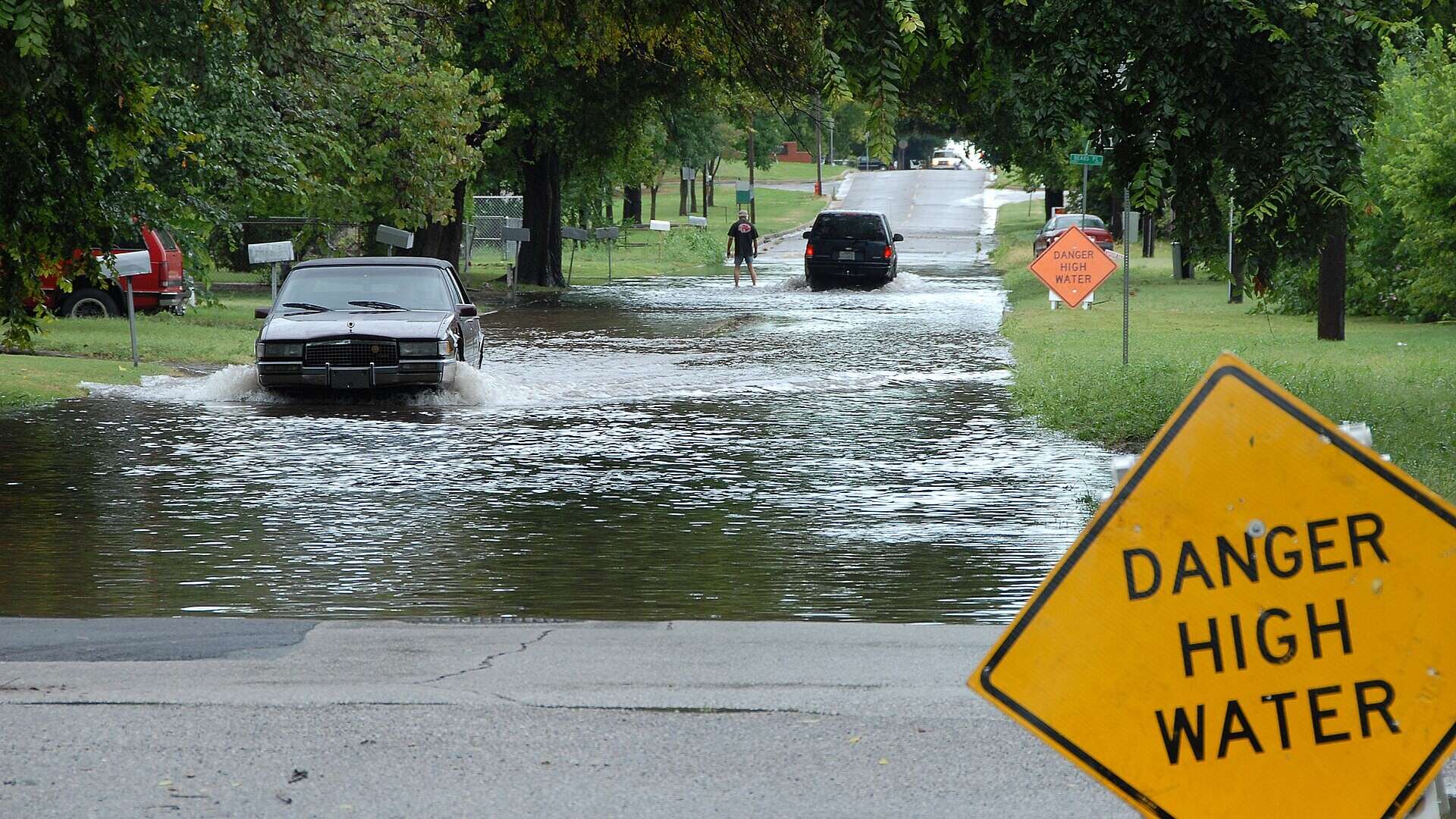
Six inches of water reaches the bottom of most passenger cars, the National Weather Service office in Tulsa says, and at that depth a driver can lose control or stall. The same page puts the depth that floats many vehicles at one foot.
Searches for flash flood warnings were climbing on Google Trends on Nov. 6, with more than 20,000 in the past 24 hours. The decision that follows a warning is whether to enter the water, and the cost of getting it wrong depends on a coverage line many owners have never checked: comprehensive, which liability-only policies do not include. Texas regulators say newer cars can be totaled even when the engine stays dry.
What six inches, a foot and two feet of water do to a vehicle
The Tulsa office lays out three steps. Six inches reaches the underside of most passenger cars. A foot floats many vehicles. Two feet of rushing water can carry away most vehicles, including SUVs and pickups. Other National Weather Service offices word the thresholds differently: the Grand Forks office says 12 inches can float a small car and 18 to 24 inches of flowing water can carry away most vehicles, large SUVs included.
None of that helps much at a dark intersection. The agency’s Burlington, Vermont, office notes that you cannot tell the exact depth of water over a road, or what condition the road is in underneath. The Tulsa page also cites the Centers for Disease Control for the finding that more than half of flood-related drownings happen when a vehicle is driven into hazardous floodwater.
Software does not read the depth any better. Waymo robotaxis stalled in San Diego tidal floodwater this week until a police officer took the wheel.
Why a stalled car is often a total loss
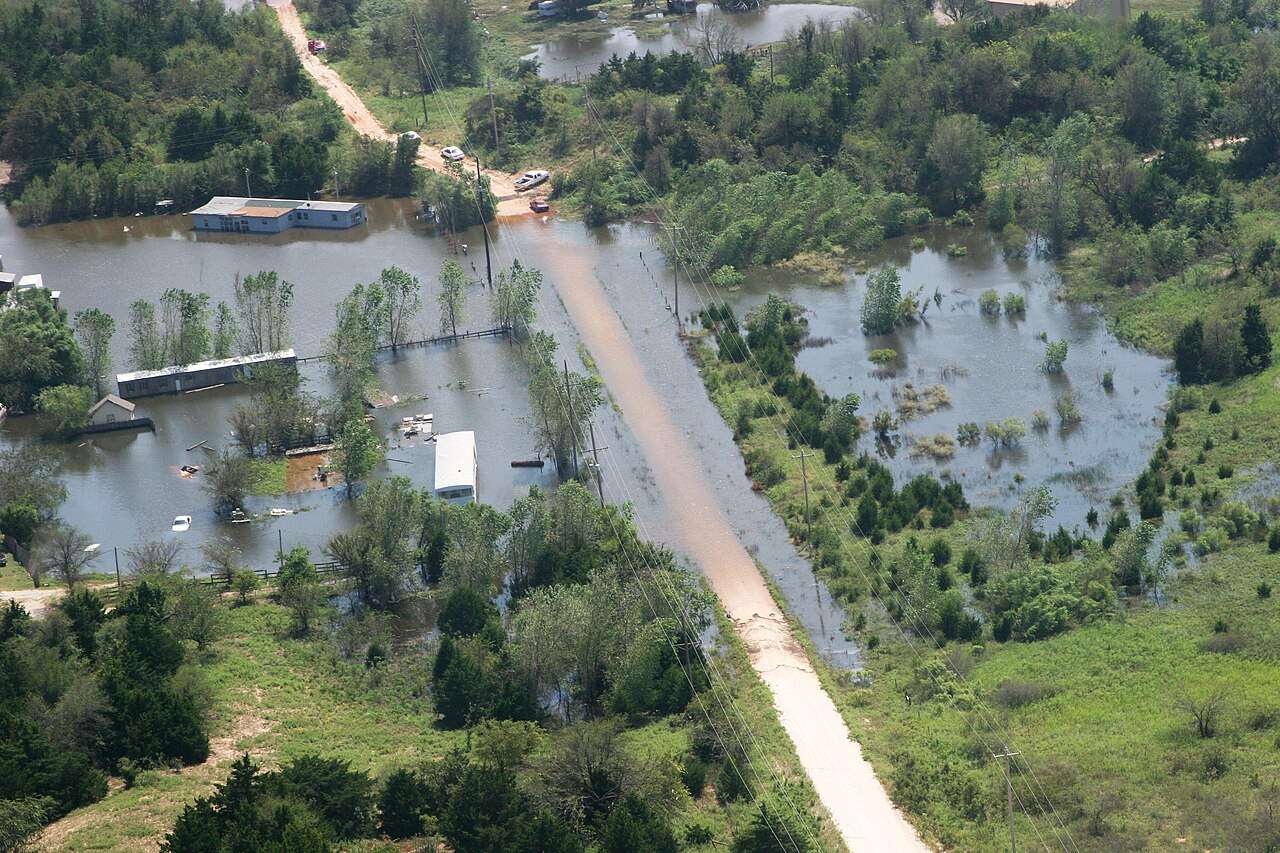
A flooded car is totaled when the cost of repair exceeds what the insurer says the car is worth. The Texas Department of Insurance describes that as a comparison of actual cash value against the repair bill. The department also says the old rule that water to the dashboard means a total loss no longer holds reliably, because newer cars carry more electronics and can be totaled even when water never reaches the engine.
A loan makes the outcome worse. Texas regulators say a gap policy covers the difference when you owe more than the insurer’s settlement; without one, you owe the remaining loan balance on a car the insurer has already written off.
Which part of your auto policy pays for flood damage
Flood damage to your own car is generally covered under the “Comprehensive or Other than Collision” portion of a policy, according to a California Department of Insurance consumer alert issued after San Diego County flooding. The department adds that only liability coverage is legally required in California, so a liability-only policy does not pay to repair your car. Damage below your deductible is not paid either. Owners who dropped comprehensive on an older, paid-off car to trim the premium are the ones with nothing else on the policy to call on.
Both departments give the same first steps: check the declarations page for comprehensive coverage, call the insurer, and photograph the damage. California adds that you should make only temporary repairs until an adjuster has seen the car, and keep a log of every conversation. Texas says to have a mechanic look at a flooded car before trying to start it, and to have it dried professionally, because improper drying can lead to mold and electrical problems.
How flood-damaged cars reach the used market
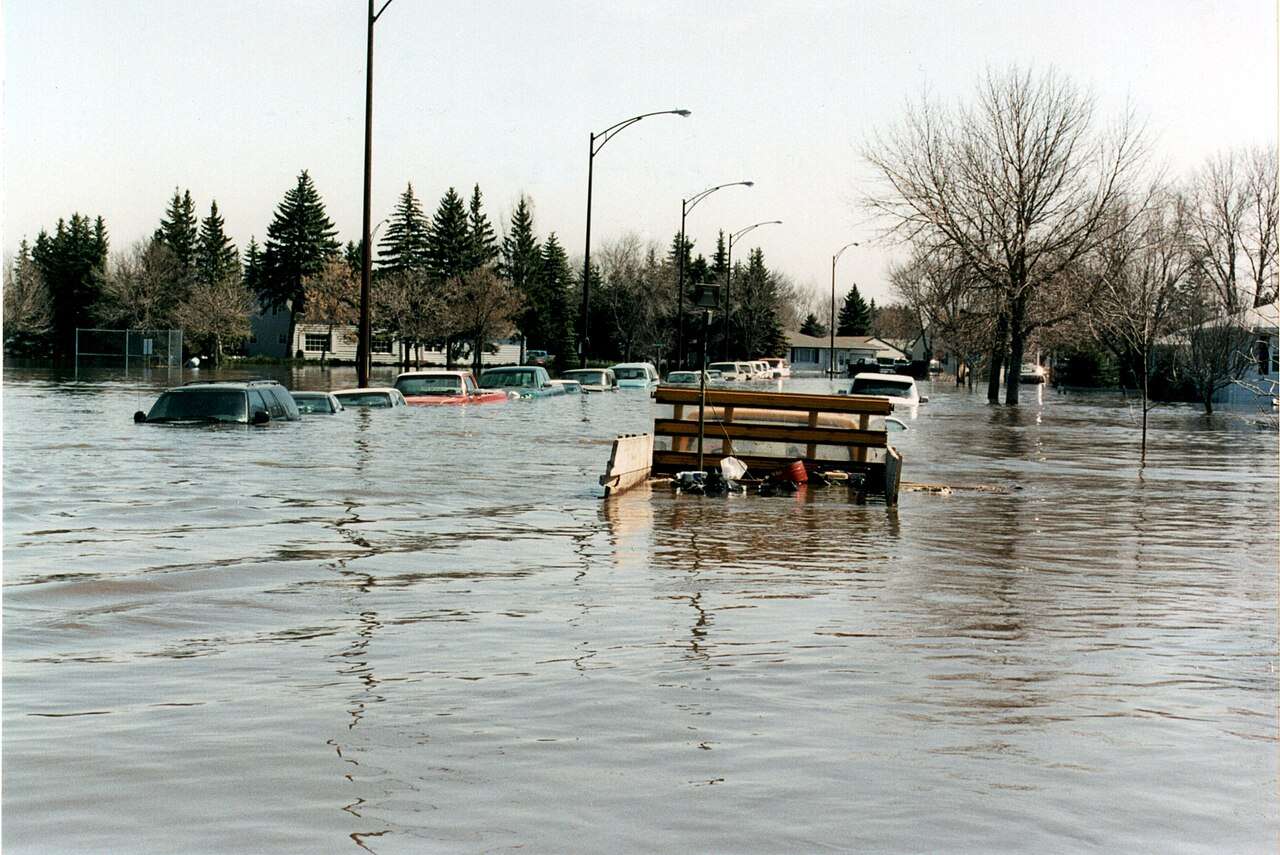
Not every wet car ends with an insurer. In a post about Texas flooding, the National Insurance Crime Bureau warned buyers to be especially careful in the weeks and months after a major catastrophe. Insured flood vehicles are retitled to show the damage, and most go to parts companies, the bureau said. Uninsured ones can be cleaned up and sold by owners or dishonest dealers without disclosure. The bureau also described cars bought cheaply, cleaned, taken to another state, given a switched VIN and retitled with no sign of the damage.
That practice is title washing, and it can follow a car long after the sale. The Auto Wire reported on a Cleveland dealer’s used Mercedes that was repossessed from its buyer over someone else’s loan, and on a Pennsylvania attorney general case alleging a Lehigh County father and son sold 12 stolen vehicles with washed titles.
The federal check is the Justice Department’s National Motor Vehicle Title Information System, which has published flood-damage notices to the businesses that report to it. The NICB runs a free VINCheck that shows whether a participating insurer has declared a vehicle salvage or a total loss, and it advises having a reputable mechanic inspect a used car before you pay.
What to check before the water arrives
Pull up the declarations page and find the comprehensive line and the deductible attached to it. If the car is financed, find out whether the policy includes gap coverage. Both take a few minutes, and between them they decide who pays for the repair and who pays off the loan.
Is comprehensive coverage worth paying for on an older, paid-off car, or do you take the flood risk and carry liability only?