
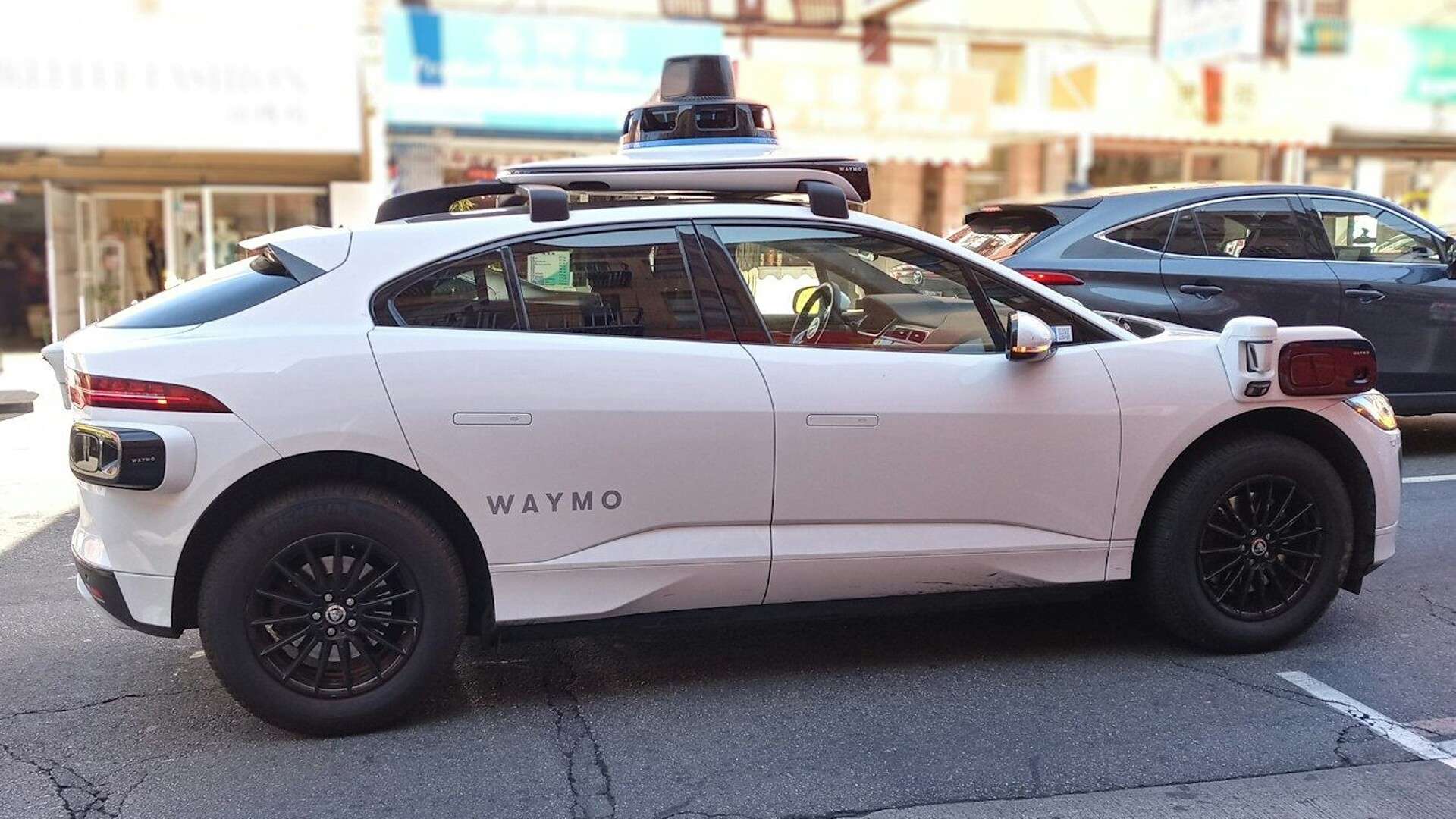
For most of this year, Waymo’s flood problem was a car that kept going when it should have stopped. In San Diego last week, the problem was a car that stopped and then couldn’t go anywhere.
During the late-October king tides, a hotel guest filmed several Waymo robotaxis on a flooded San Diego street. In the footage, the cars inch into the water, stop, back up and stop again while human drivers go around them. At least one had a rider inside, and she stayed put until a police officer got in and drove the car through the water himself.
Other stall reports have been circulating, including a Waymo said to have sat in a busy lane for a couple of hours before a tow truck took it away. We couldn’t find a police record, a company statement or original footage to confirm that one, so for now it’s only a report. The flooding incident is on video, though, and it shows a real gap in how these cars handle trouble.
The recall that explains the freeze
The hesitation makes sense once you’ve read Waymo’s federal paperwork. In May, the company filed Safety Recall 26E026 with NHTSA. The filing says that on April 20, an unoccupied Waymo ran into an “untraversable flooded section” of a road with a 40-mph limit. NHTSA’s acknowledgment letter puts the recall at 3,791 vehicles running Waymo’s fifth- and sixth-generation driving systems. It says the stakes plainly: “Entering a flooded roadway can cause a loss of vehicle control, increasing the risk of a crash or injury.”
Related Articles
- Stellantis Canada Workers Back a Strike Mandate While Brampton Goes to Roshel and Windsor’s Charger Line Sweats
- California’s Truck Voucher Program Chipped In About $50 Million for Nikola Trucks. Then Nikola Went Belly-Up
The interim fix doesn’t teach the cars to judge water depth. It narrows where and when they can drive, keeping them out of conditions with a higher chance of meeting a flooded, higher-speed road. Waymo is still working on the permanent fix.
So the San Diego cars arguably did what the recall wanted. They found water and wouldn’t drive into it. The trouble is what the system does after that. When it decides it can’t go on safely, its fallback is to stop. On a street that’s filling with tidewater, a stopped car becomes a roadblock with a passenger inside it.
Human drivers solve this all the time. They look for a shallower path, follow the car ahead, turn around in a driveway or just leave the area. The robotaxi apparently couldn’t find another option it trusted, and nobody could fix that from a remote screen. It took a person in the driver’s seat, and the person who showed up was a police officer.
Why the cars are right to fear water
Being cautious makes sense here. National Weather Service flood guidance warns that a few inches of moving water can knock down an adult. It also says about a foot of water can float many cars, and two feet of moving water can carry away most vehicles, SUVs and pickups included. Sensors can’t tell how deep water is just from how its surface looks. Honestly, most people can’t either. We just guess more confidently.
King-tide water brings its own problem: it’s seawater. For any EV, robotaxi or not, salt water causes long-term damage. It gets into high-voltage connectors, corrodes brake hardware and suspension parts, and keeps working inside the underbody seams for months. If your own car went through tidal flooding last week, here’s what to do:
- Rinse the underside soon, including the wheel wells and brake areas, with fresh water.
- Watch for warnings later on. Corroded connectors often cause electrical faults weeks afterward, not the same day.
- Check your policy. Flood damage usually falls under comprehensive coverage. A liability-only policy generally won’t cover it.
- Be careful buying used cars around here. Coastal flood cars sometimes show up for sale before anyone has properly inspected them. Look for corrosion on seat rails and connectors, and get a vehicle history report.
California just gave police new leverage
The legal backdrop changed this summer. Since July 1, California’s AB 1777 rules have let officers issue a “notice of autonomous vehicle noncompliance” directly to the company when a driverless car breaks traffic laws. The DMV’s industry memo explains the process. It also says these notices can feed into restricting, suspending or revoking a company’s driverless permit.
Related Articles
- A Jacksonville Man Called 911 on His Stolen 2019 Yukon. It Was Repossessed 19 Days Before His First Payment Was Due
- LA Teen Says a DMV Clerk Told Him His $58,000 Mercedes-AMG Was Lien-Free, Then a Tow Company Said Carvana Ordered a Repo
The law also requires two-way communication between first responders and the vehicle, plus a dedicated phone line to the company and opt-in geofencing. In other words, an officer standing next to a frozen robotaxi is supposed to have a direct way to get help. In San Diego, the quickest fix was still for the officer to drive it.
A new market, an old lesson
Waymo began fully autonomous operations in San Diego this summer, alongside Denver, Las Vegas and Tampa. That means this fleet got its first king-tide season only weeks into public service. Coastal flooding in Mission Bay is a regular event in San Diego, not a freak storm, and the tide tables show it coming months ahead.
That’s the most fixable part of this story. Robotaxis don’t need to judge flood depth if they’re kept off streets everyone knows will flood at high tide, using the same geofencing tools the recall already relies on. Until Waymo does that, San Diego police are its backup drivers.
Would you ride a robotaxi through king-tide week if the route crossed a street that floods on a published tide table?