

A 17-year-old high school senior told ABC7 Los Angeles that the $58,000 he saved over four years for college went into a 2019 Mercedes-Benz C63 AMG he found on Autotrader, and that the car vanished the night before he was set to sell it for $75,000. Los Angeles police are investigating, he said, and the seller’s identity and paperwork have turned out to be fake. His account of what the California DMV told him is the heart of the story, and the DMV has not confirmed any of it.
According to the teen, he took the seller to the DMV before handing over any money, and a clerk told him more than once that the car had no lien. The title he received and the Carfax report he pulled both listed no lienholder. He spent about three months repairing the car and lined up a buyer at $75,000. The night before that sale, the car was gone. Assuming it had been stolen, he called LAPD and was directed to a tow company, where, he said, he was told the company had been ordered to take the car by Carvana.
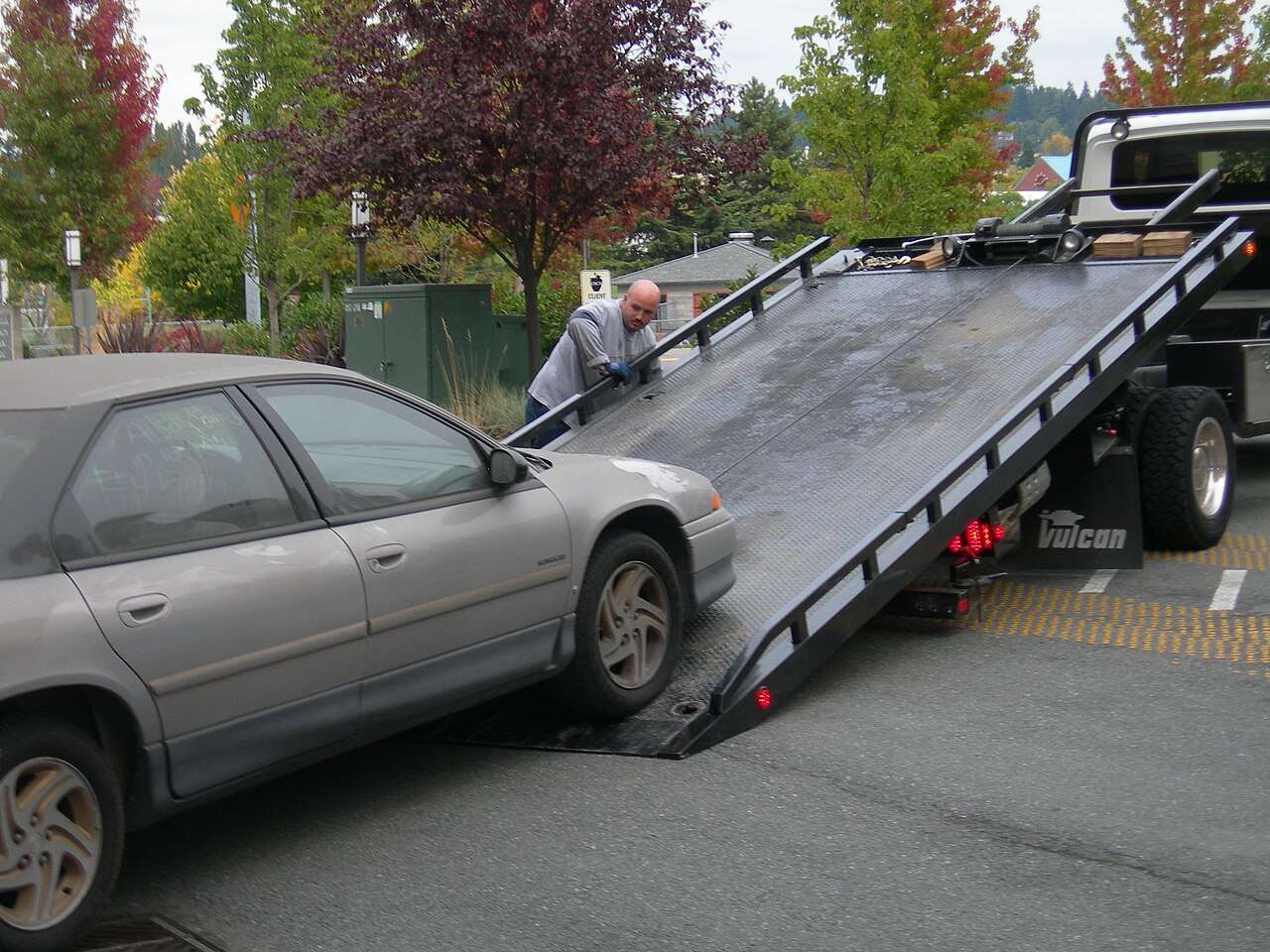
He went back to the DMV for answers and says a representative told him that when a title is transferred, earlier paperwork can be overlooked, and a lien can be released and a title issued that is later void. He said the DMV took his original title. The DMV told ABC7 it could not comment because of an open investigation. ABC7 reported that Carvana had not responded to its requests for comment, so nothing on the record yet says whether Carvana held a lien on this car or on what basis it ordered a tow.
A lien survives the sale unless the lender signed off
The legal question underneath the clerk’s answer is older than the DMV counter. Under California Commercial Code section 9315, a security interest continues in collateral after it is sold unless the secured party authorized the sale free of that interest. For cars, Vehicle Code section 6300 says a lender’s interest in a registered vehicle is perfected when it files a properly endorsed certificate of ownership with the DMV, in person or electronically. If a lender’s lien was properly on file and never released, the law favors the lender even against a buyer who paid in good faith. If no valid lien existed, a repossession order has nothing under it. Which of those is true here is the whole case, and the people who know have not said.
Why the paper title matters
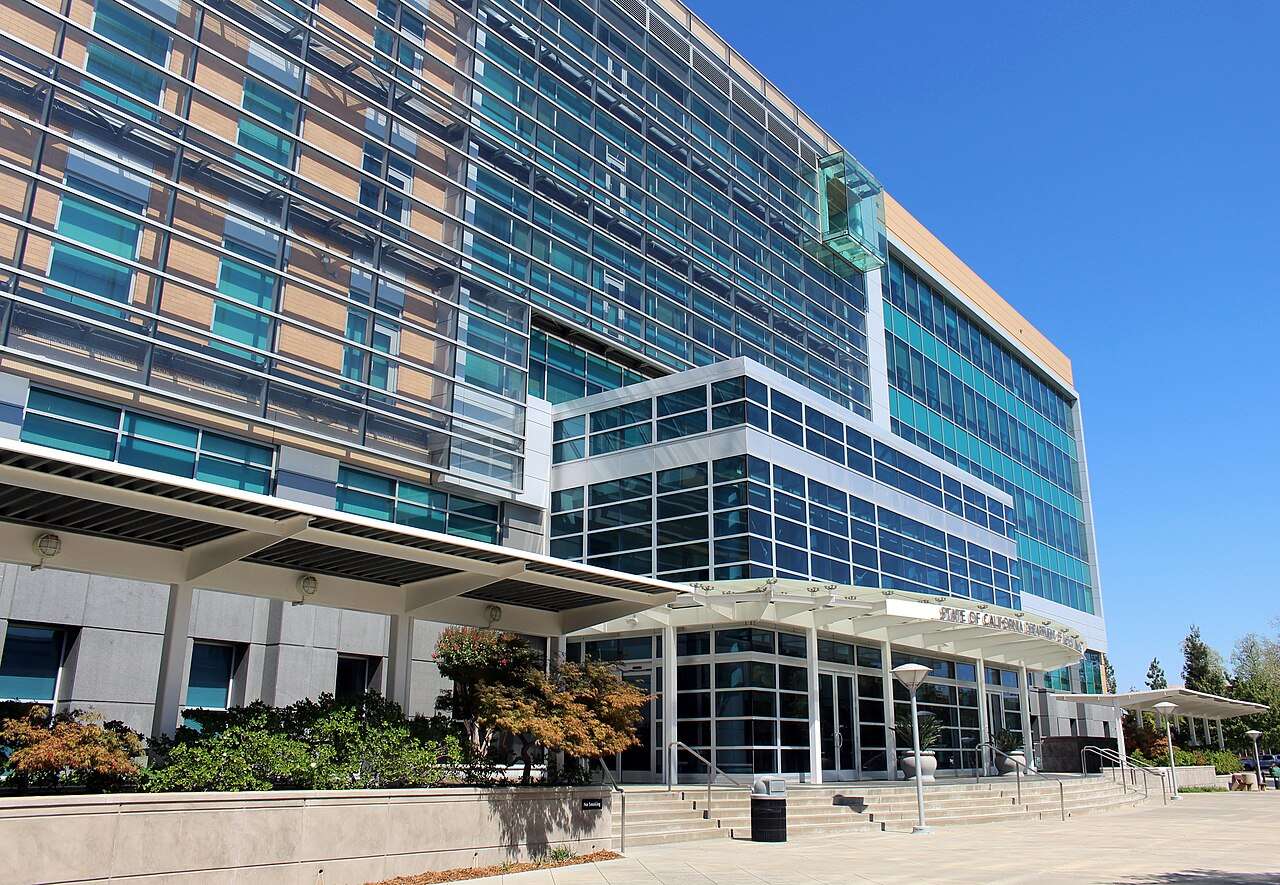
California lenders can hold a car’s title through the DMV’s Electronic Lien and Title program. Under that program, the DMV’s procedures manual says, the title is an electronic ownership record on the DMV database in place of a paper title for the lienholder, and the registered owner gets a registration card, not a title. When the loan is paid off, the lender sends an electronic release and the DMV issues a new title to the owner. A car with a live electronic lien should therefore reach a private buyer with no paper title at all.
A paper title can still be issued through a duplicate. For a vehicle three model years old or older, the DMV’s instructions call for a duplicate-title application, a missing-title statement, and either the legal owner’s notarized signature or a notarized REG 166 release in its place. A 2019 model is well past that line. In that process the lender’s consent is established by a notary’s stamp, and a forged or fraudulently obtained document can produce a title that looks clean at the counter. The DMV has not said how the title in this case was issued, and the teen’s account does not establish it, so this is the mechanism to watch rather than a finding.
Who absorbs the loss
The seller took the money, and the teen says the identity behind the sale was fake, which limits what LAPD can do. That leaves a buyer who says he followed every step he was given, and two parties with nothing on the record: Carvana, which didn’t respond to ABC7, and a DMV that cites its open investigation. He wants Carvana to return the car or pay him the $58,000. ABC7 reported no lawsuit or claim filed. Vehicle-paperwork fraud is not new to this site’s coverage: we reported on a Georgia tag office case that produced 31 felony charges, and on an Arizona man who lost $75,000 in a scam involving a stolen Ford Bronco.
ABC7’s consumer advice is to pull at least one vehicle history report, more than one if possible, and to check with the DMV that a title has not been washed of liens or salvage. By the teen’s account he did exactly that, and the DMV’s answer is the part he says failed him. Two investigations are open, LAPD’s and the DMV’s. Carvana hasn’t said whether it held a lien at all.
If a DMV clerk told you the title was clean, what else would you check before paying?