
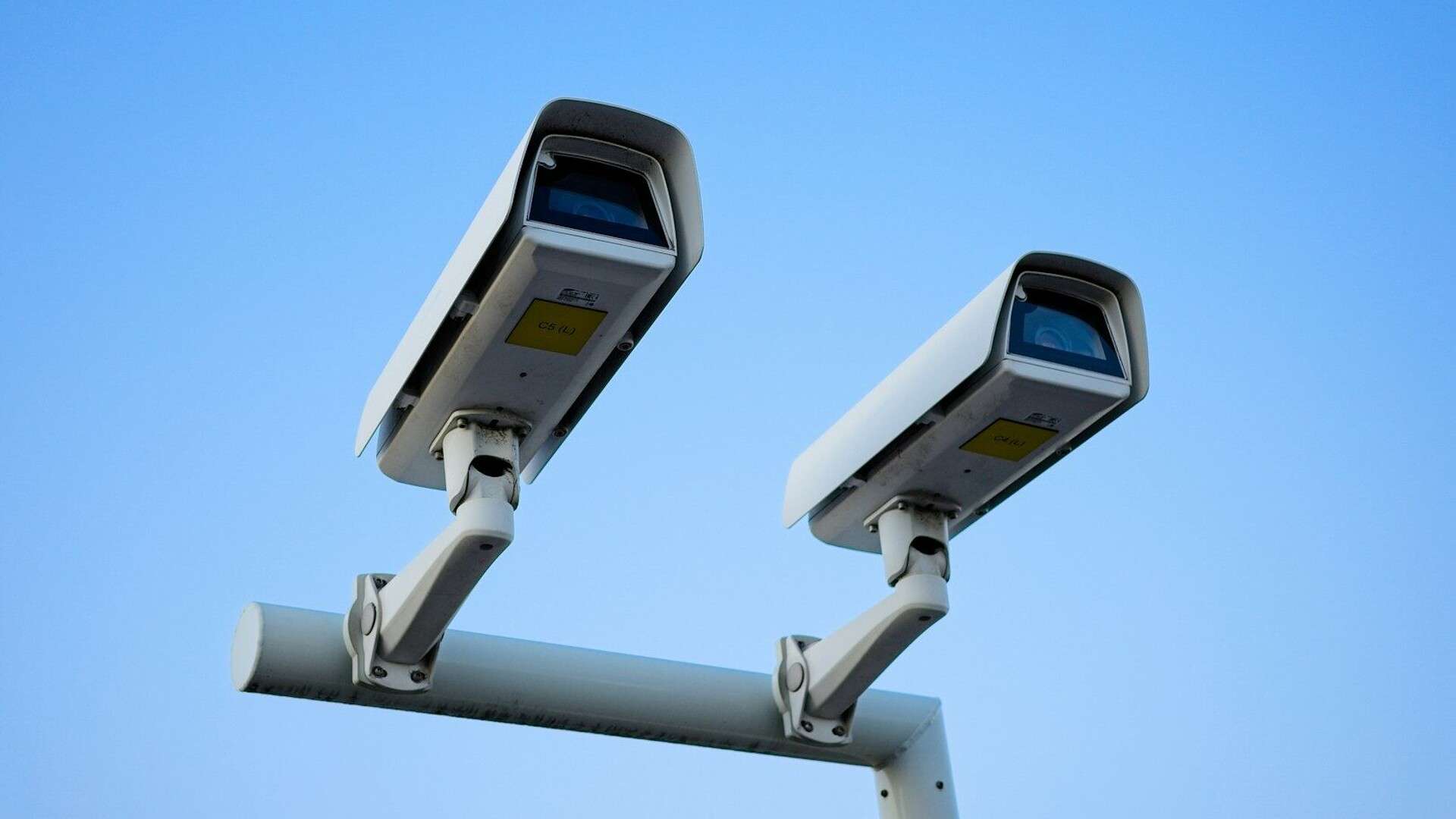
The envelope from the speed camera doesn’t legally require you to do a thing. It sounds like a bar-stool myth. It’s written into Arizona law. That quirk is the backdrop for Proposition 319, which Arizona voters decide on Nov. 3. If it passes, cities that don’t already have cameras can never add them, and cities that do will have to keep asking voters for permission.
Why the envelope isn’t the ticket
State law, A.R.S. 28-1602, says a person who receives a mailed photo-enforcement notice for speeding or running a light does not have to identify who was driving or respond to it. The notice is required to say so. It must state that it isn’t issued by a court, that you have no obligation to respond, and that ignoring it may lead to formal service and an extra fee.
For the ticket to count, it has to be properly served. Under A.R.S. 28-1593, that means handing the complaint to the person charged or using a method the civil procedure rules allow. Arizona’s attorney general concluded back in 2011 that delivering a photo citation any other way doesn’t meet the service requirement.
Related Articles
- GM Sold Your Braking Habits to Insurers, Then Paid $220 Million — Michigan Takes $7.2 Million, Drivers Get No Check
- Six Cars Stopped for a Dummy in a Warning Vest, Then Nearly All Missed One in Road-Crew Work Clothing, ADAC Found
The clock is tight. A.R.S. 28-1592 requires a case begun by filing to be filed within 60 days of the violation and served within 90 days after that. A city whose process server can’t find you in time loses the case.
That’s why photo-enforcement programs in Arizona hire process servers, and why ignoring the mail is such a tempting bet. Cities do have a fallback, called alternative service: certified mail, a regular-mail copy, and a notice taped to your front door (and your garage door, if there is one). But the same statute says your driving privileges “may not be suspended or revoked” over a citation served that way. So the worst case for dodging has a ceiling.
What Prop 319 actually does
The measure comes from SCR 1004, a referral from the Legislature. It defines a photo enforcement system as “a device substantially consisting of a radar unit or sensor linked to a camera or other recording device.” Any state agency or local government without a signed camera contract by Dec. 31, 2026, would be barred from using one.
Cities that already have contracts get grandfathered in, temporarily. They’d have to win voter approval at the next general election, then again every 10 years. If voters say no, the cameras must go dark within 90 days of that election. The resolution’s intent language argues that enforcement should stay with trained officers rather than private, for-profit companies, and that policing shouldn’t be a way to raise money.
The arguments
State Sen. Wendy Rogers, who sponsored the measure, isn’t subtle about her position. Her campaign page is titled “It’s a Scam!” and argues the systems “were never really about safety.”
Opponents filed their arguments in the official publicity pamphlet. The Arizona Public Health Association points to federal highway data showing crash reductions of 20% to 54%. It also says a trained officer reviews every image before a citation goes out, and it objects that the measure lumps red-light cameras in with speed cameras.
On that review point, state law backs the opponents. Section 28-1602 requires the police agency to review the camera’s evidence, and makes it a class 1 misdemeanor for a camera company to decide on its own that a violation happened.
Related Articles
- F-150 Downshift Recall Stalls: What 2015–2017 Owners Need to Know Now
- Seoul Police Book 80 Tesla Owners Over Imported and Homemade Full Self-Driving Unlock Devices — Now Prosecutors Weigh Charges Carrying Up to Two Years
Phoenix is the program everyone is watching. The city’s Photo Safety page lists 17 speed cameras, says Phoenix police decide whether each recorded event becomes a citation, and describes the program as cost-recovery, “not intended to generate revenue.”
The money behind the fight
There’s a less obvious stake. Arizona adds a 10% surcharge to civil and criminal fines and sends it to the Citizens Clean Elections Fund, according to a Senate committee memo. Fewer cameras means fewer fines, which means less money for publicly financed campaigns. Keep that in mind when you hear anyone, on either side, claim this vote is only about safety.
What drivers should know
Ignoring the envelope is legal. It isn’t free: once you’re properly served, you owe the fine plus service costs.
Prop 319 doesn’t settle whether cameras make roads safer. It settles who gets to keep them. A yes means cities that already run cameras have to win a vote to keep them, then win it again every ten years. A no leaves things as they are, process servers included. Have you ever tossed one of these notices in a drawer, and what happened?