
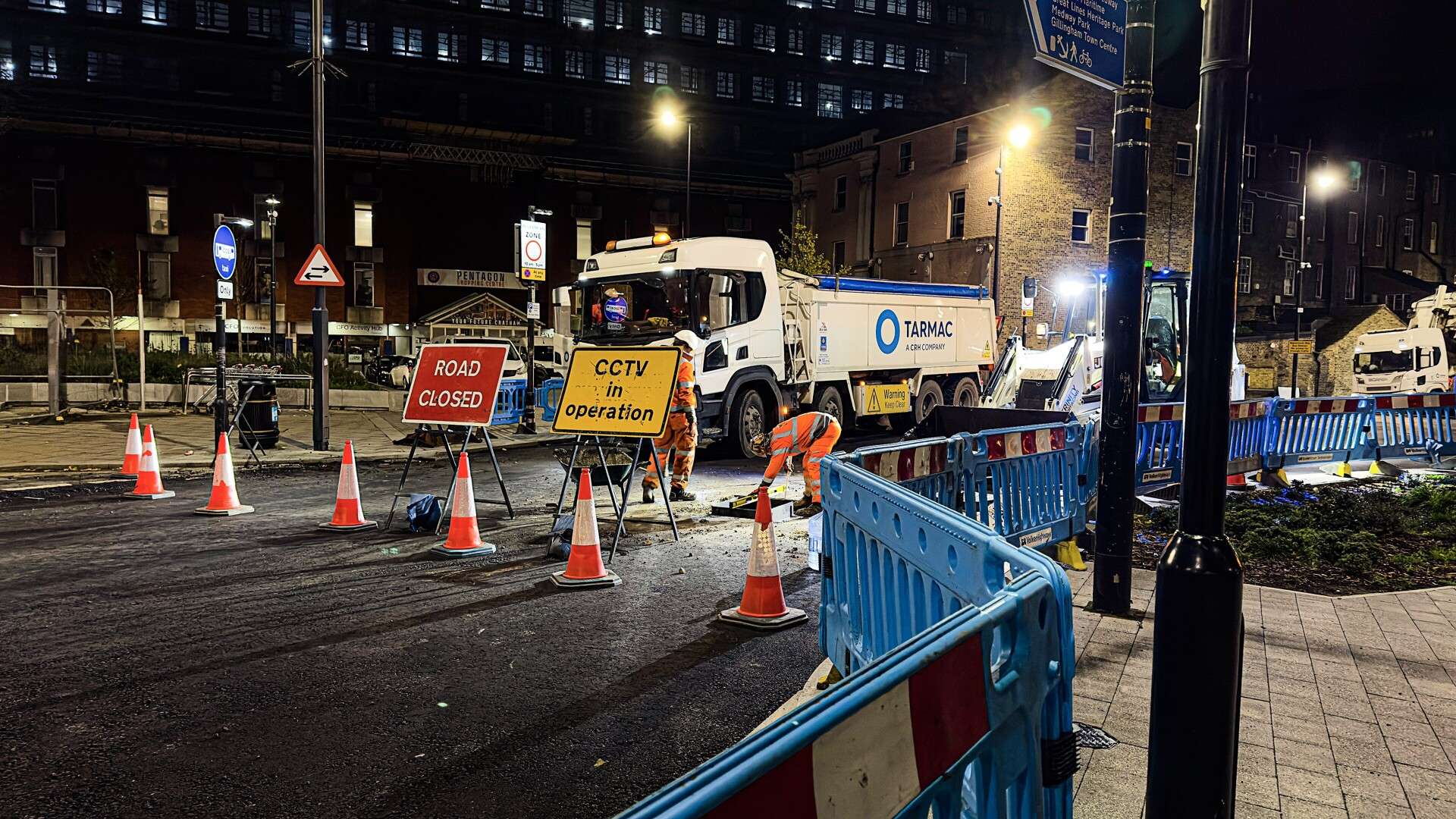
Germany’s ADAC put six current cars through night tests, and all six avoided an adult dummy in a standard warning vest. In a separate scenario, the dummy wore the standardized work clothing of road construction crews, rescue services, police and ADAC’s own roadside patrol, and almost all of the cars either never detected it or detected it far too late to brake, the club said in an Oct. 27 press release.
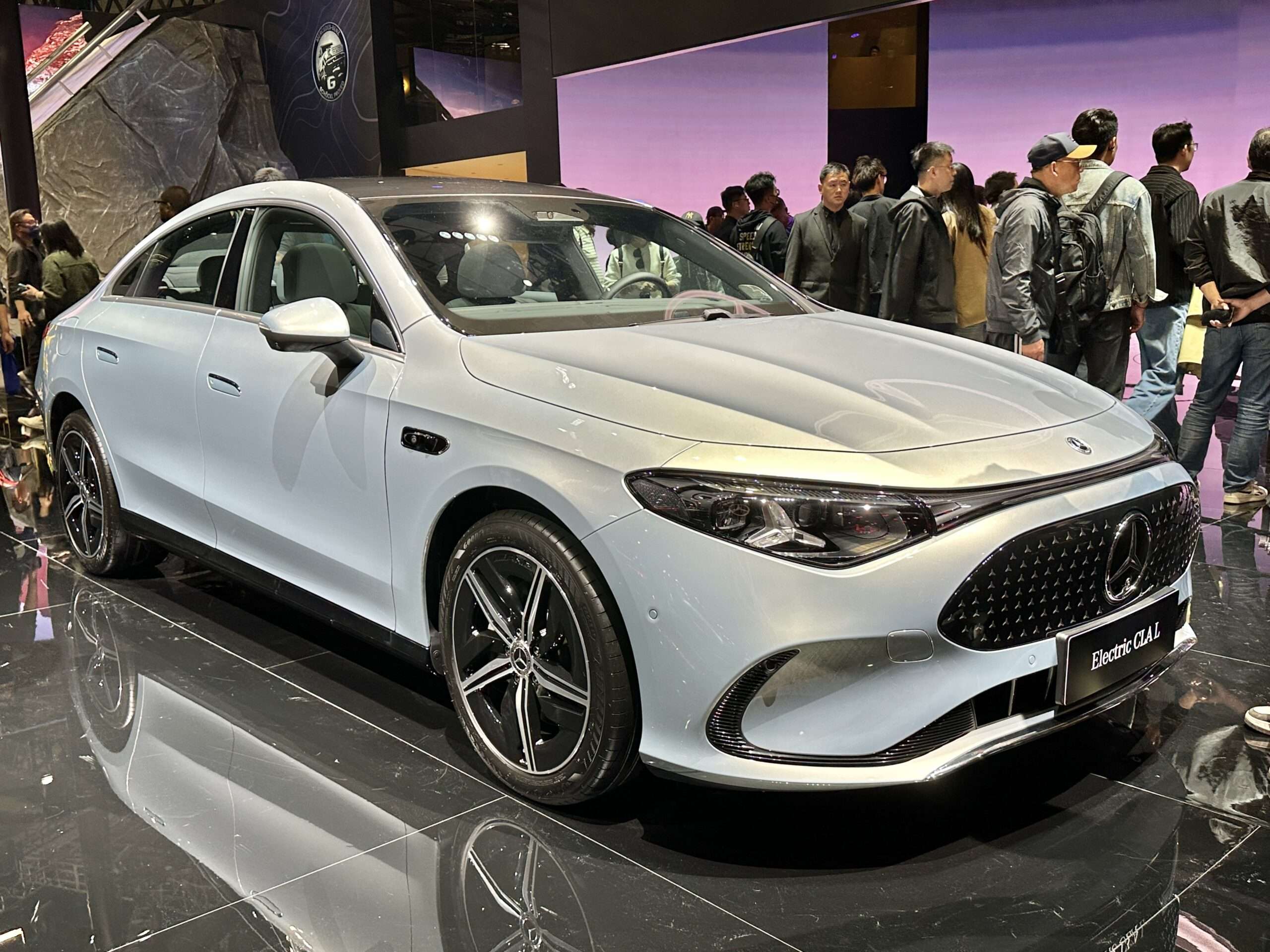
Children fared no better. All six cars detected a child dummy in dark clothing, but nearly every system failed to brake, or braked too late, for a child in reflective clothing carrying a school backpack. The Mercedes CLA was the only car that detected a child in reflective clothing running out from behind a parked car.
Six cars, no speeds, no ranking
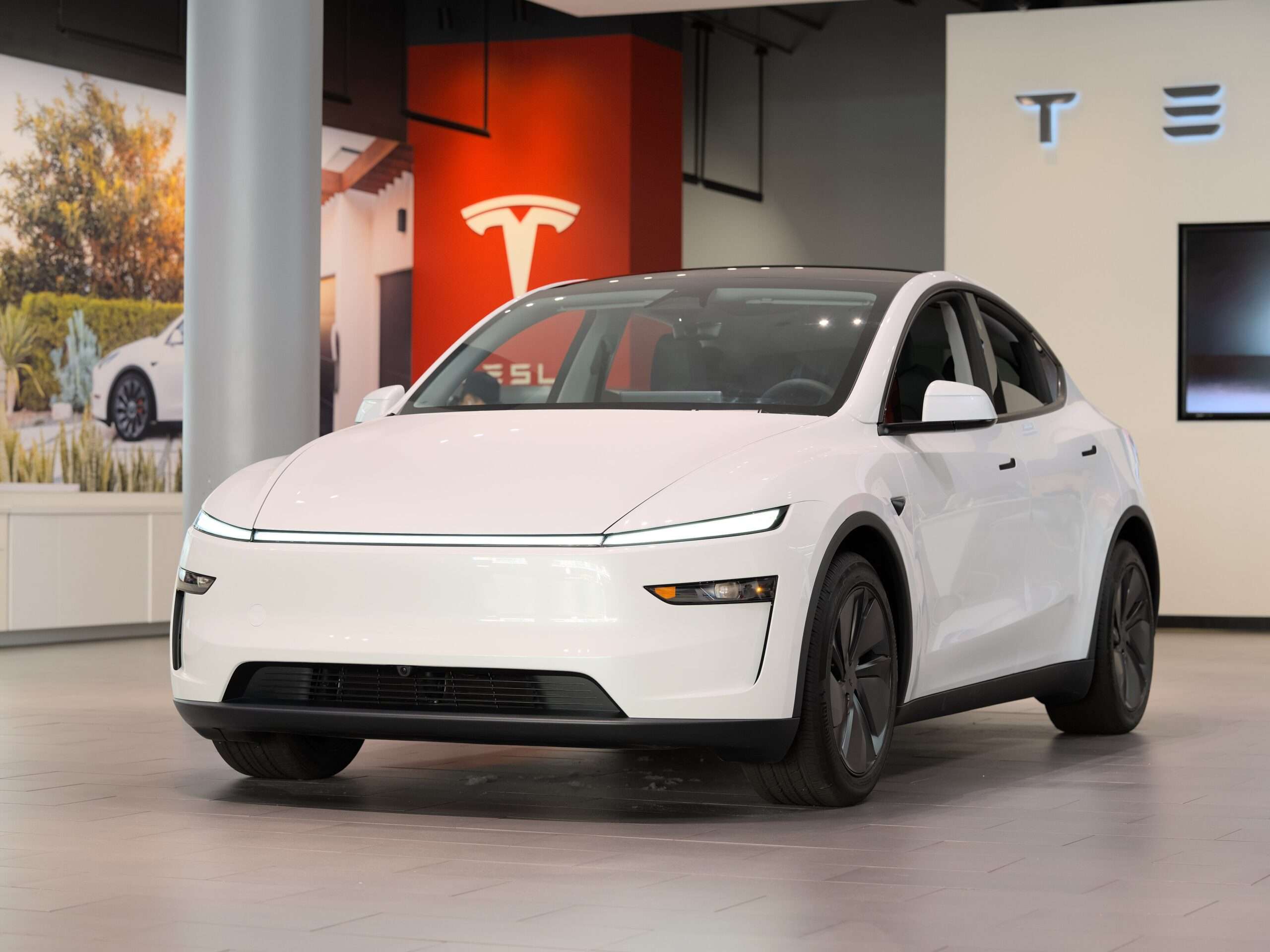
ADAC tested the Mercedes CLA, Tesla Model Y, BYD Seal, Hyundai Tucson, Dacia Duster and Opel Astra with a method based on Euro NCAP‘s night tests. Each car ran at several speeds, and the highest speed at which it could still avoid a collision in a given scenario became its baseline. Because every car had its own reference speed, ADAC said the results can’t be compared directly from one car to the next, and it published no speeds or percentages. This story doesn’t rank them either.
The per-car detail ADAC did give is short. Facing work clothing, the CLA warned too late or could not fully prevent a collision despite partial braking, according to ADAC’s test page.
The BYD Seal did not brake for the child crossing in reflective clothing, and ADAC’s photo caption says it would have missed the child. ADAC described the Tesla and the Dacia as camera-only systems and gave no car-specific results for them or for the Hyundai and Opel, which it chose because Euro NCAP results showed those makers’ cars doing worse at night than by day.
A classification problem that software might fix
ADAC said the trouble seems to sit in how the systems classify road users, not in the hardware, and that many cases could be fixed with a software update. For the children, it suspects the low-mounted reflectors on their clothing irritate the systems. ADAC did not publish how any maker’s classifier works, and its release carries no response from the carmakers and no timetable for fixes.
Nothing forces the issue. ADAC said detecting people in reflective clothing is not legally required and is not part of Euro NCAP’s protocols. Euro NCAP has tested night pedestrian detection since 2016 and varied its procedures in 2026 to test robustness, ADAC said, but clothing variation is not included. The CLA that reacted late to work clothing was Best in Class in Euro NCAP’s 2025 ratings, per ADAC, so a car can post a top result and still miss a road worker.
What the U.S. rule covers
NHTSA’s FMVSS No. 127, announced April 29, 2024, requires all new passenger cars and light trucks to detect pedestrians in daylight and darkness and brake automatically for them at speeds up to 45 mph, with compliance due by September 2029. NHTSA projects it will save at least 360 lives and prevent at least 24,000 injuries a year. When automakers asked for room to allow low-speed contact, NHTSA kept its no-contact requirement in a Nov. 26, 2024 final rule. I found nothing in NHTSA’s announcement about what the pedestrian is wearing, and ADAC’s results don’t say whether U.S.-market Model Ys or Tucsons behave like the cars it tested. The Auto Wire covered the automakers’ pushback and the rule surviving in 2024.
ADAC’s advice to drivers: these systems assist, they don’t replace you. If you’re in doubt, you take over. A Fort Collins, Colorado, case this month shows how that handoff can go: police said a Silverado’s automatic braking was on when it hit pedestrians, and the accelerator overrode it.
Reflective gear in the dark season
ADAC’s advice to pedestrians and parents is to keep wearing reflective clothing in the dark season. It helps human drivers see people, the club said, and the safety gain outweighs the risk of an emergency-braking miss. ADAC tested vests and reflective children’s clothing, not costumes, and Halloween falls on Saturday, Oct. 31.
If you work the shoulder in a vest or a crew uniform, do you trust the car coming at you to see you at night, or the person driving it?