
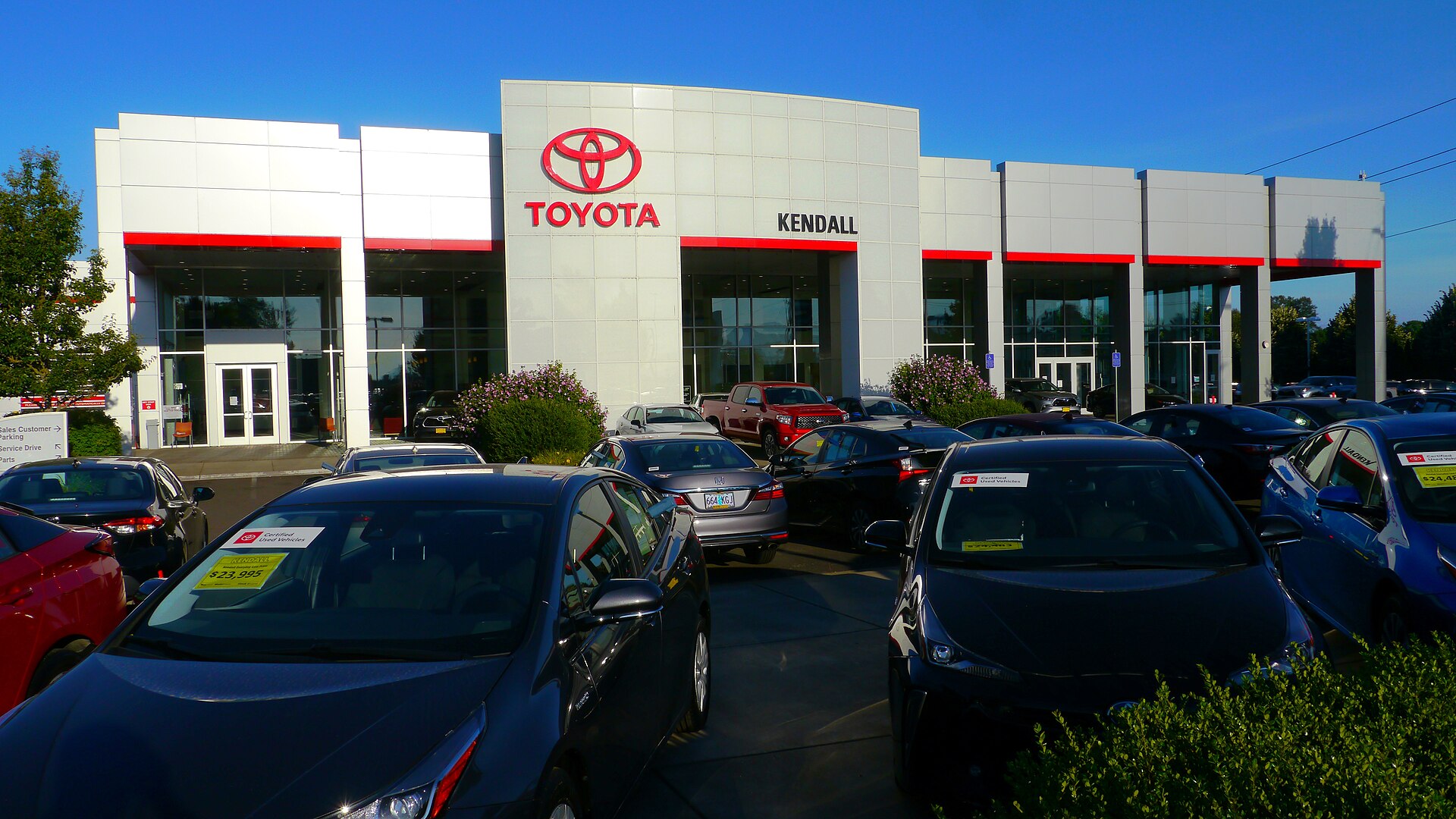
The average new vehicle sold for $51,109 in October, a record that follows the $50,562 September average The Auto Wire reported last month, according to the Kelley Blue Book report Cox Automotive released Nov. 10.
Cox has since revised September to $50,460, which makes October’s gain $649, or 1.3%. Against October 2025 the increase is 2.1%, below the 3.6% October average Cox cites. The Bureau of Labor Statistics’ price index for new vehicles shows a 12-month gain of 0.7%. The record price is mostly a statement about what Americans are choosing to buy. What a given car costs moved far less, and the costs that did jump sit around the car.
What the Cox report shows
Average MSRP was $52,933, up 2.4% from a year earlier. Incentives averaged $3,490, or 6.8% of the transaction price, $252 more than in October 2025 and still below long-term averages, Cox said. Midsize SUVs became the top-selling segment by volume, with sales up nearly 10% from a year ago at an average price of $50,570. Compact SUVs rose 4.3% to $37,895, the biggest gain among the five largest segments. Full-size pickups, at $67,912, rose 1.4%.
Volume moved down-market while the average moved up. Cox reported that vehicles priced from roughly $28,000 to $38,000 gained 9.6% in volume year over year. At the other end, Cox estimated Tesla sold 1,914 Cybertrucks in October, its best month in more than a year, at an average price of $92,380, and said that healthy Cybertruck sales were one driver of the year-over-year price gain. EVs overall averaged $56,220, down 2.7% from a year ago, with incentives running 11.3% of price.
Erin Keating, executive analyst at Cox Automotive, said: “The average is telling us as much about product mix as it is about affordability.”
Why the CPI shows a smaller increase
The Bureau of Labor Statistics measures new vehicles differently. According to its new-vehicle methodology, the index tracks vehicles month to month within a model year, maps each purchased vehicle to its prior-model-year equivalent for the 12-month comparison, and makes a quality adjustment when equipment is added to or deleted from a tracked model. The data come from about 250,000 dealer-reported transactions a month, with fleet, police, work-truck and cargo vehicles excluded.
A buyer who trades a compact for a midsize SUV raises Kelley’s average and leaves the CPI untouched, because the CPI is not following that buyer’s basket. A model that gains standard equipment can have part of its price increase credited to the added content. The Auto Wire can’t split the 1.4-point gap between the two measures into mix and content from published data. Cox attributes its side of it to mix.
The CPI side carries a limit of its own. BLS collected no survey data for October 2025 because of a lapse in appropriations, so for most series it cannot publish 12-month changes for October 2026. The October CPI release has no 12-month figure for the all-items index for that reason. New vehicles and used cars do have one.
The prices that did move
In the same BLS release, seasonally adjusted new-vehicle prices rose 0.2% in October. Motor vehicle insurance rose 0.7% in the month and maintenance and repair rose 0.6%. Used cars and trucks fell 1.2% for the month and are down 3.3% from a year earlier. Gasoline is up 37.4% over 12 months, not seasonally adjusted. BLS did not publish 12-month figures for insurance or repair.
AAA’s cost-to-own estimate, covered here in September, put fuel at barely a fifth of the annual bill, with depreciation, interest and fees deciding the rest. That squares with September’s record $821 average payment: prices barely moved, and people paid more anyway. The cheap end of the lot has thinned as well: The Auto Wire counted five new cars under $25,000 in 2026, down from 36 in 2017.
What to watch
Incentives are the figure to follow in Cox’s November report. They are up $252 from a year ago to $3,490, and EVs already carry incentives worth 11.3% of price. If the average keeps climbing in a month without a Cybertruck surge, the record was about more than one truck. On the CPI side, the November reading will show whether the 0.7% new-vehicle rate holds.

At the dealership, the average is a poor yardstick. It includes $92,380 trucks and $28,030 compact cars, and the number that matters is the out-the-door price on the specific vehicle you are signing for. Does $51,109 sound like the market you shop in, or are you finding cars closer to the $28,000-to-$38,000 range where Cox says sales are growing?