
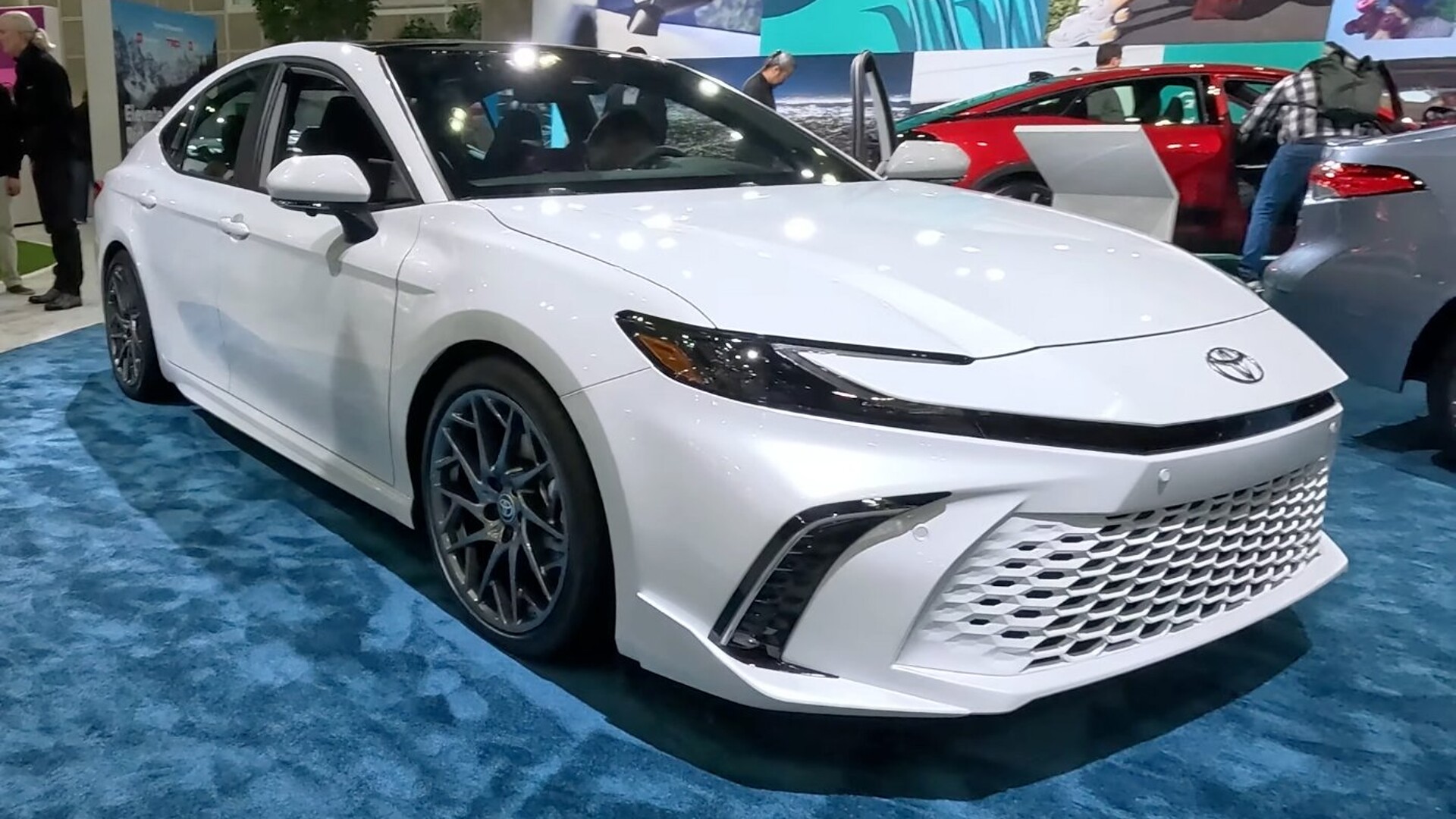
Michael Jaffe’s lawsuit over the Camry Hybrid inverter bolt rests on a document Toyota wrote itself: a Part 573 recall report that dates the first field report to early November 2025 and the decision to recall to Dec. 10.
Jaffe sued in the 18th Judicial Circuit in DuPage County, Illinois (case 2026LA001328). On Nov. 4, 2026, Toyota Motor Sales, U.S.A. and Toyota Motor Engineering & Manufacturing North America moved it to federal court, where it is Jaffe v. Toyota Motor Sales, U.S.A., Inc., No. 1:26-cv-13668 in the Northern District of Illinois, assigned to Judge Sara L. Ellis. The docket lists diversity jurisdiction under 28 U.S.C. § 1332 and a jury demand from the plaintiff. As last retrieved on Nov. 4, it shows only the removal paperwork, defense lawyers’ appearances and corporate-affiliate disclosures. No answer and no motion to dismiss.
The complaint is Exhibit A to the removal notice, and I could not open it from the public docket page, so what follows about Jaffe’s claims is unverified. As summarized to The Auto Wire, he says he bought a 2026 Camry Hybrid in December 2025, could not drive it for months, and lost resale value. He says Toyota knew of the problem from November 2025.
What Toyota told NHTSA
Recall 25V869 covers 55,405 vehicles: 51,644 Camry Hybrids from model years 2025 and 2026, built Aug. 26 to Nov. 18, 2025, and 3,761 2026 Corolla Cross Hybrids built Aug. 27 to Nov. 25, 2025. All carry hybrid inverter assemblies from Denso Manufacturing Tennessee in Maryville. Toyota’s report says “a bolt inside the inverter could have been improperly torqued.”
The inverter converts the hybrid battery’s current for the drive motor, and that bolt holds a terminal connection. If it backs out, contact becomes incomplete or the bolt drops into the assembly and opens the circuit. That can mean a warning lamp, limp mode or loss of drive power. If the bolt works loose while the ignition is on, Toyota says it can short the circuit and overheat the assembly, which raises fire risk. The report ties the low torque to a machine setting change in the supplier’s production history.
The chronology in the filing: early in November 2025 Toyota received a report of a vehicle that would not turn on, and inspection found a loose bolt lying on the circuit board. The supplier then found other assemblies with low-torque bolts. On Dec. 10, Toyota decided on a voluntary recall, with 34 field technical reports and 15 warranty claims from U.S. sources that relate or may relate to the condition. It filed the report and notified dealers on Dec. 16. For the share of vehicles with the defect, Toyota entered 1% and said the figure means unknown, so nobody has published a count of bad bolts in the 55,405.
The weeks between the decision and the repair
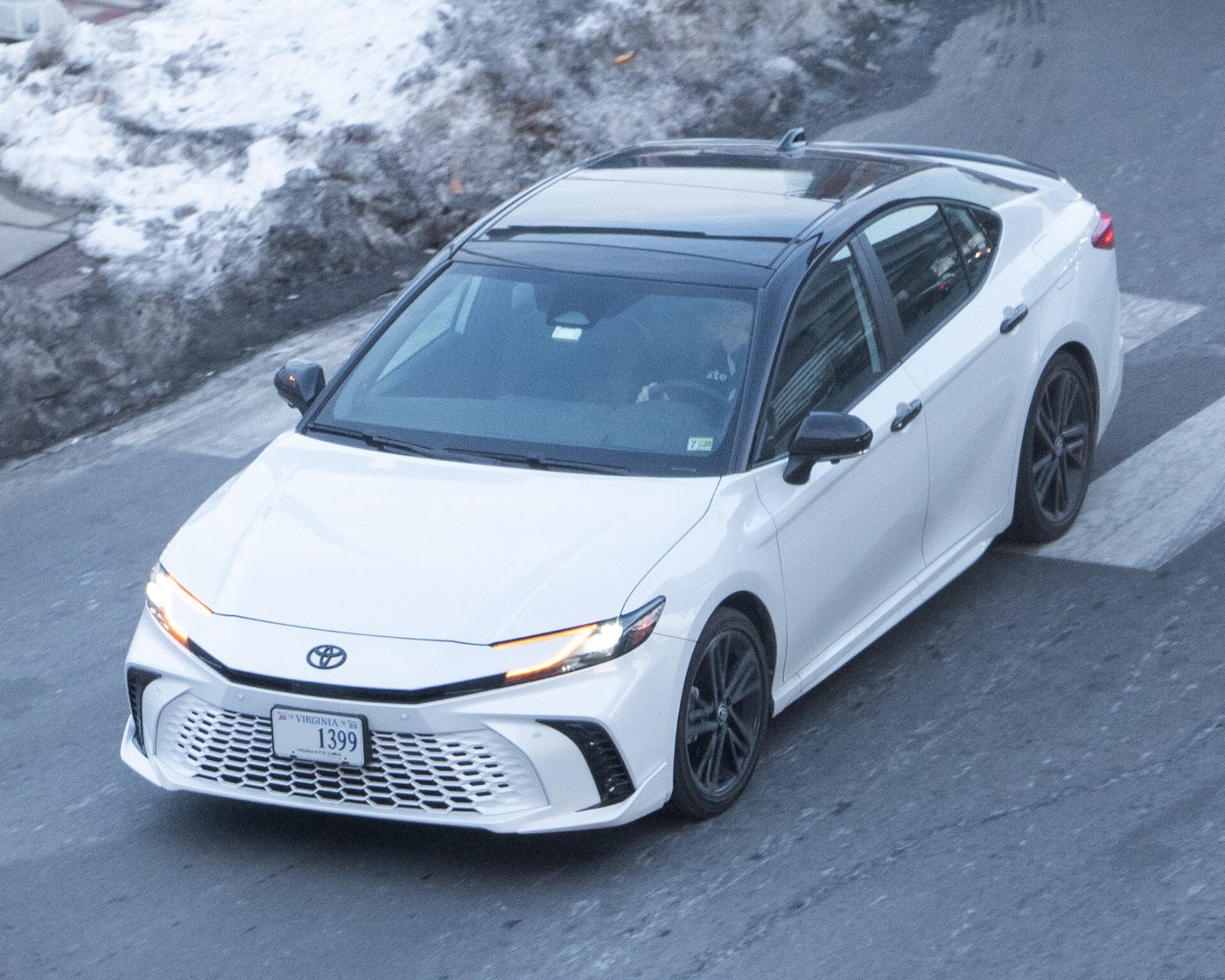
A free repair settles what the fix costs. It says little about how long a car sat unusable before a fix existed. When NHTSA acknowledged the recall on Dec. 22, 2025, the acknowledgment letter said the remedy was still under development. Toyota’s owner FAQ estimated the remedy for the first quarter of 2026, and the press release said owners would be notified by mid-February. Toyota’s report lists “Do Not Drive Park Outside” as the consumer advisory. The recall report and FAQ I read do not mention loaner or rental cars.
Federal law also draws the line for new-car sales at a specific moment. Under 49 U.S.C. § 30120(i), a dealer who has been notified of a recall on a new vehicle in its possession may sell or lease it only after the defect is remedied. The bar attaches at the manufacturer’s notice to dealers, which here was Dec. 16, not at the Dec. 10 decision or the early-November field report. A Camry Hybrid sold in the weeks before that notice was not covered by the bar. A purchase in December could fall on either side of it, and the docket does not say which.
That gap is where a case like this lives. The recall paperwork pins down the defect and the date Toyota knew, and it promises a free repair. It says nothing about how long owners waited or what Toyota owes them for it, and Toyota has not answered in court yet. The same loss-of-power exposure shows up in the RAV4 Plug-in recall from this fall, though the cause there is different.
What Camry Hybrid owners can check
Owners can enter a VIN at NHTSA’s recall lookup to see whether 25V869 is open on a car. Build date matters: vehicles outside the Aug. 26 to Nov. 18, 2025 window for the Camry Hybrid are not in this recall. Bought one around the end of 2025? Keep the purchase contract and the delivery date, and get every repair order stamped with in-shop dates. Days without a drivable car are what this lawsuit says it’s about.
If a free repair is all a manufacturer owes, what should an owner get for months with a car that could not safely be driven?