
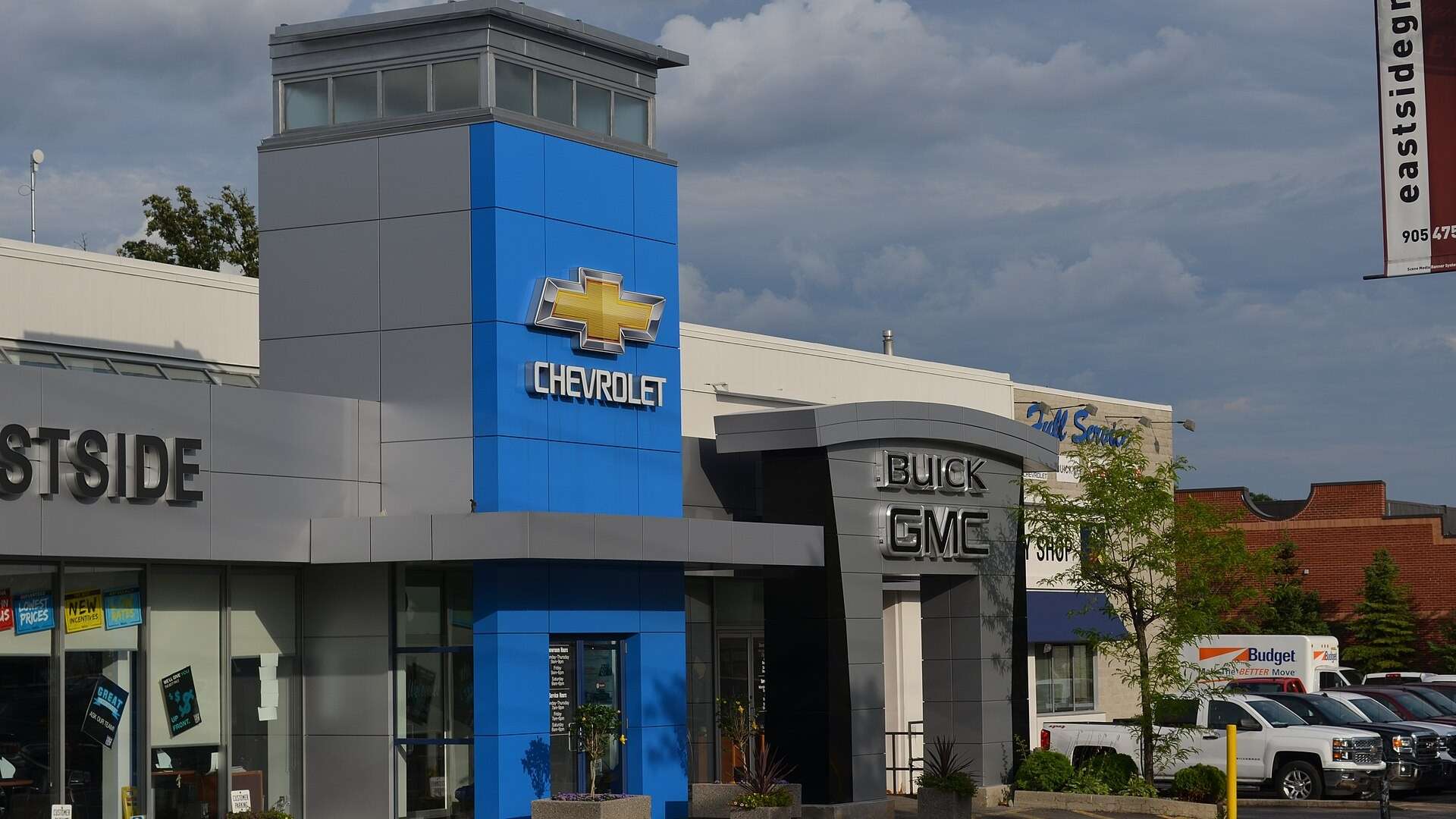
Michigan Attorney General Dana Nessel announced Thursday that General Motors will pay $220 million to settle claims from a 36-member coalition of attorneys general that its Smart Driver program logged drivers’ hard braking, rapid acceleration and speeding, then sent that data through brokers to insurance companies. Michigan’s share is $7,205,319. The settlement sends no money to the drivers whose trips were recorded.
What the attorneys general allege
According to the Michigan and New York attorneys general, GM enrolled millions of drivers in Smart Driver between 2016 and 2024. The program recorded trip counts, the start and end times of each drive, hard braking, rapid acceleration and speeding. The states allege GM told drivers it would not share that information with insurers without express consent, then sold it to data brokers under contracts that specified use for insurance products. The brokers, the states say, resold it to insurers, which could change premiums based on it, including for drivers with no claims.
New York’s release cites a New York Times investigation that found some drivers saw significant premium increases, including one owner who received a 22% increase and a 130-page report on every drive over six months. That is reporting the attorney general cites, not a finding in the settlement. GM ended Smart Driver in 2024. A GM spokesperson told WJRT that the agreement addresses that discontinued product and that the company is committed to being clear about what data it uses. The consent decree states in paragraphs 75 and 76 that it is not an admission of liability.
Dealership sign-ups and a 370,000-driver app error
The states put much of the problem at the dealership. They allege that most enrollments happened during vehicle purchases and that employees accepted the terms and conditions on customers’ behalf without their knowledge. New York’s release says GM paid dealerships bonuses from 2020 to 2024 based in part on Smart Driver enrollments and ranked stores by their enrollment numbers. A bonus tied to the enrollment count gives the person at the screen a reason to click “agree.”

The OnStar app added a second problem, according to the states. It told more than 370,000 drivers they were not enrolled when they were. GM later unenrolled those drivers without telling them, the attorneys general allege, and their data stayed with brokers and insurers. A driver cannot opt out of a program the app says he is not in.
What the consent decree requires
The decree takes effect Nov. 30, 2026 (paragraph 17). From that date GM must get affirmative express consent before collecting, using or disclosing driver data (paragraph 41), and before giving driving data to a third party for usage-based insurance (paragraph 42.c). It must train dealership staff and review disclosures before OnStar enrollment (paragraph 56), check dealership enrollment patterns periodically (paragraph 48), and submit its privacy program to internal and outside assessments.
On deletion, GM must erase previously retained driver data within 180 days (paragraph 62), offer consumers a deletion option (paragraph 61), and send requests to third parties that received data asking them to delete it (paragraph 55).
The copy Michigan posted is captioned for the Circuit Court for the 30th Judicial Circuit in Ingham County. The case number, the judge’s name and the date of entry are blank on it. The parties’ signature blocks are dated Oct. 29, 2026.
Where the driver data settlement money goes
GM’s payment is due within 30 days of the effective date (paragraph 71), which works out to Dec. 30. Paragraph 72 lets Nessel spend Michigan’s $7,205,319 on attorneys’ fees, investigation and litigation costs, or consumer protection funds, at her discretion. New York’s share is $12,054,341, and its attorney general says more than 700,000 New York drivers were enrolled. Divided among them, that would be about $17 apiece at most. That is The Auto Wire’s arithmetic, not a distribution anyone has proposed. Michigan’s release says the settlement provides no restitution to consumers and that a nationwide private class action seeking money is still pending.
The FTC order came first
Federal regulators got there months earlier. The FTC finalized its order against GM and OnStar on Jan. 14, 2026, by a 2-0 vote. It bars GM for five years from disclosing geolocation and driver behavior data to consumer reporting agencies, requires express consent for 20 years, and requires a way for U.S. consumers to request a copy of their data and ask for deletion. We covered that order in our report on the FTC ban. The state decree adds a payment and the dealership controls, which the FTC release does not describe.
Other states are still litigating on their own. Montana is not among the states named in Michigan’s release, and its separate lawsuit over the same program was covered earlier this month. Drivers of other brands have the same exposure: Honda sold driver data at 26 cents a car, and owners can request the report built from it.
The next dates are Nov. 30, when the decree takes effect, and Dec. 30, when the $220 million is due. A GM owner who paid more for insurance because of this data has one pending route to money, the class action, and it has no ruling yet.
Should a settlement over driving data sold without consent pay the drivers whose trips were sold, or is it enough that the states collect the money and GM has to ask permission from now on?