
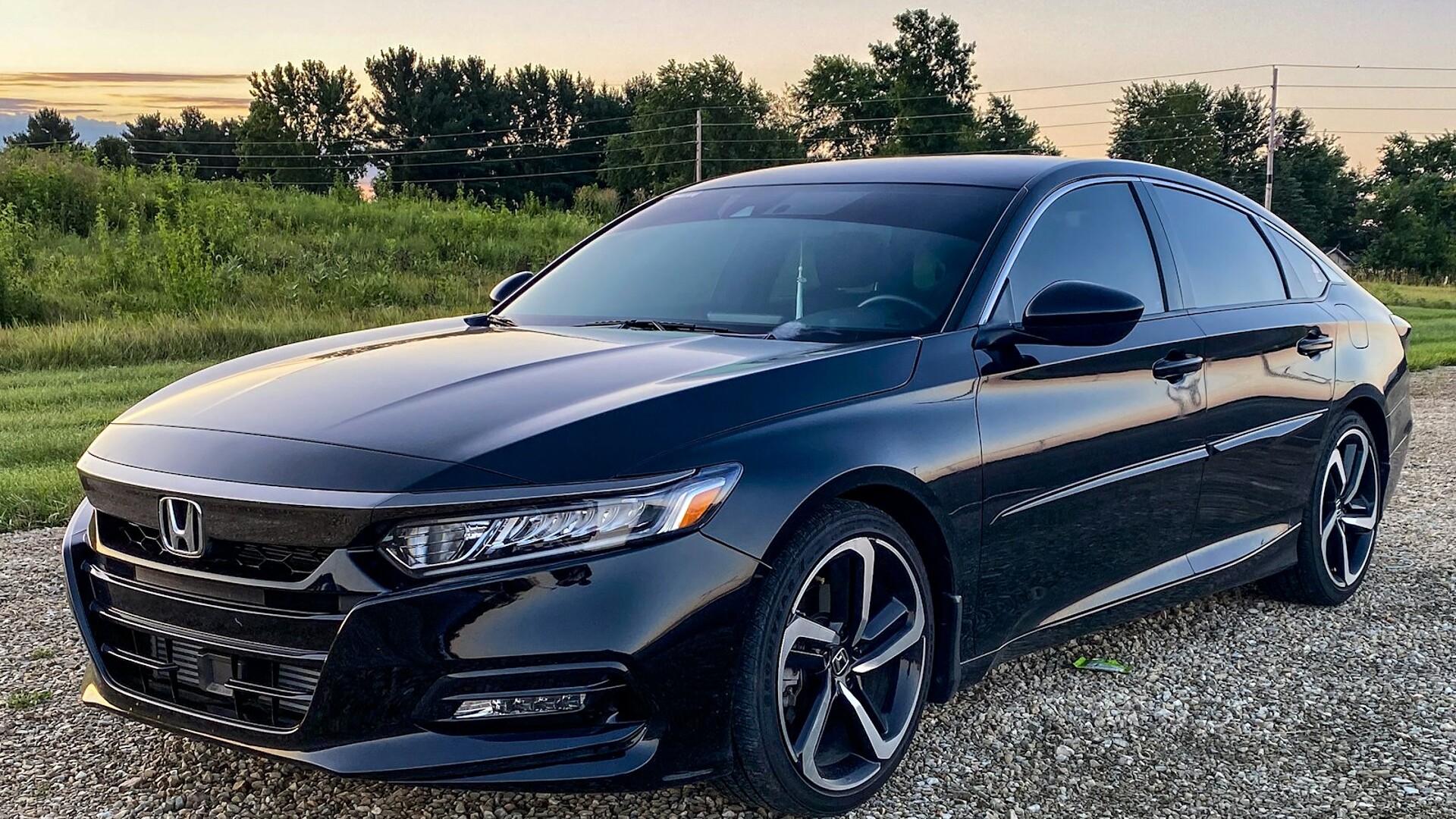
Verisk paid Honda $25,920 for driving data from 97,000 cars, according to a July 26, 2024 letter from Senators Ron Wyden and Edward Markey to the Federal Trade Commission. The senators put that at 26 cents a car. The exact quotient is closer to 27, and either way the price tells you less than the buyer does: Verisk sold driving histories to auto insurers.
Forget what Honda earned. If you drove a Honda from 2020 to 2024, the question is what landed in a file with your name on it, and whether an insurer ever opened it.
What the senators found at Honda
The Honda data came from Driver Feedback, an optional program inside the company’s mobile app. Nobody was enrolled automatically. The enrollment screen asked for consent to track driving so Honda could compute a score and check eligibility for insurance discounts, and the lengthy legal terms behind it said Verisk would receive the data. The senators wrote that Honda buried the disclosure of its business relationship with Verisk where few consumers would see it, and that the company never obtained informed consent. Honda’s own pitch for the program was rewards for better driving.
Hyundai’s numbers were bigger and the per-car price higher: data from 1.7 million cars, for which Verisk paid $1,043,315.69, or 61 cents a car, per the same letter. GM told Wyden’s office it had shared location data with two other companies and declined to name them.
How a discount program becomes a rating file
The enrollment screen promised discounts. Verisk’s contracts, its officials told the senators’ offices, did not require telematics data to be used only for discounts. A report that can lower a premium on one quote can sit in the same file when another insurer prices the same driver, and nothing in the arrangement the senators described stopped that.
The FTC’s complaint against GM shows how the downstream step works. The agency alleges GM sold Smart Driver data to Verisk and to LexisNexis Risk Solutions, that the resulting consumer reports typically held about six months of driving events, and that some consumers found hundreds of records in theirs. The complaint says insurers sent adverse action notices denying or cancelling policies or raising premiums based on those reports. These are the FTC’s allegations in its administrative complaint, which ended in a consent order.
That notice is the thread to pull. The Fair Credit Reporting Act requires an insurer that takes adverse action based on a consumer report to say so and to identify the agency that supplied it. A premium increase with no explanation can still be traced if you ask the right two companies for their files.
What has changed since 2024
Verisk’s consumer page says it stopped receiving driving data from GM on March 18, 2024, and from Honda and Hyundai on April 9, 2024, and no longer provides Driving Behavior Data History Reports to insurers. The senators’ letter says Verisk shut down its driver-scoring product in April 2024. What Verisk collected before those dates is a different question, and the page invites consumers to request their Driving Behavior Data History Report.
The federal remedy so far covers one automaker, and it arrived about 18 months after the senators’ letter. The FTC finalized its order against GM and OnStar on Jan. 14, 2026. It bars GM from giving geolocation and driver behavior data to consumer reporting agencies for five years, requires affirmative express consent before collecting connected-vehicle data, and requires a way for consumers to request a copy of their data and ask for its deletion. I read the order materials and the complaint, and found nothing comparable that binds Honda or Hyundai.
Honda’s current Vehicle Data Privacy Notice, effective Dec. 12, 2024, lists driver behavior information as covered information. It says Honda may disclose covered information to outside parties such as connected-vehicle data services and analytics platforms, and that disclosures made without the owner’s permission may count as a sale under some state privacy laws. It also says owners can opt in or out of sending vehicle data, with controls in the vehicle, in smart-device settings, and in the owner’s manual.
Cars are not the only route. Texas’s attorney general sued Allstate and its analytics arm Arity in January 2025, alleging the companies paid app developers to embed tracking software and built a database covering over 45 million consumers, which insurers then used to justify higher premiums. Those are the state’s allegations, not findings. Montana’s attorney general filed a 31-page complaint against GM on Oct. 16 making claims in the same vein, and our reporting on a Northeastern study found connected cars and their apps feeding driver data to ad tech.
Ask for the file first, then switch things off
The order matters. Opting out of sharing stops future collection. It does not show you what was already collected or who received it. Requesting your reports first gives you a record of both, and the record is what an insurance dispute needs.
Verisk says it provides one free report in any 12-month period, and takes requests through the form on its site or at FCRA-NPC@verisk.com. LexisNexis runs a consumer portal that asks for a Social Security number or a driver’s license number and state, and its Consumer Center is at 1-888-497-0011. The LexisNexis page I read did not say whether telematics data is included, so ask for it by name. After the reports arrive, go through the in-car and app settings Honda describes, or the equivalent for your brand. Our guide to what owners can switch off in their car’s phone app covers that second step.
Watch for the next state filing. Texas, Montana and the FTC have all gone after the sale of driving data in the past two years, and I found no filing in those actions that names Honda. Its 97,000 cars were a small slice of the data the senators described, and the 26-cent figure covers only that slice.
If Verisk’s name had been on that first screen, would you have tapped agree?