
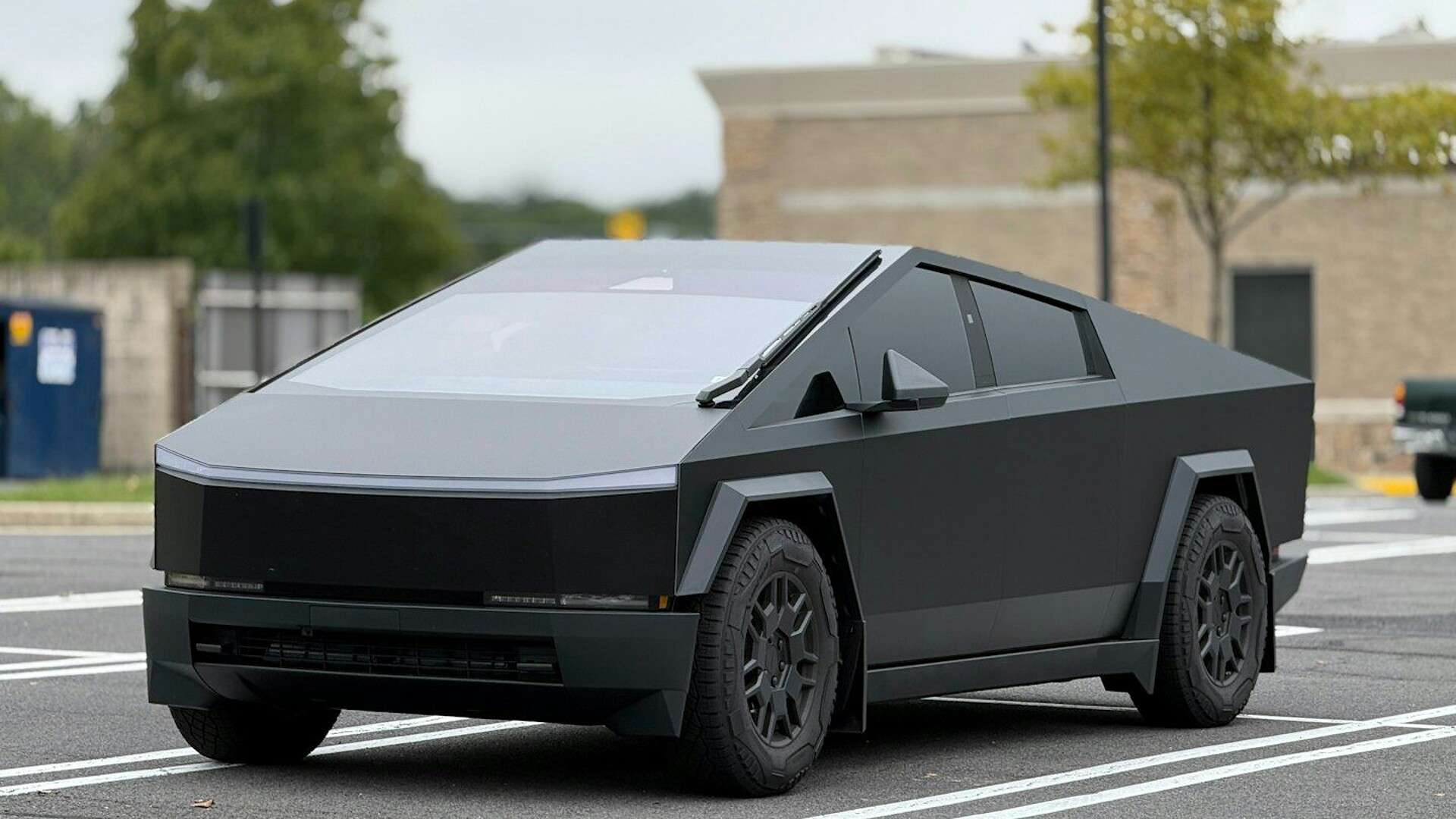
Two price hikes in a week, and the Cybertruck now comes in exactly one flavor: the most expensive one. Tesla’s online configurator now takes orders only for the tri-motor Cyberbeast, at $109,990. The Dual Motor AWD and Premium AWD are both closed to new orders. Then, on November 11, Elon Musk added a few more months to the truck’s life and said he was doing it for sentimental reasons.
A five-day timeline
On November 6, Musk posted on X that Tesla would wind down Cybertruck production at Gigafactory Texas around the middle of 2027 to free up floor space for the Cybercab. Gigafactory Texas is the only plant that builds the truck, and Tesla hasn’t named a second site, so in practice this ends the truck.
Tesla changed the configurator the same week. Dual Motor AWD orders were paused. The Premium AWD went up to $92,490 and the Cyberbeast to $102,490. A few days later the Premium AWD was pulled as well, and the Cyberbeast went up another $7,500.
Related Articles
- Florida Issued Four Stop-Sale Orders After 11.67 Inches of Rain Hit West Palm Beach. They Won’t Cover the Water Already in Your Tank
- A Detroit Shop Allegedly Moved $80,000 in Ford Rouge Parts Stolen Over Seven Saturdays. Four Men Now Have to Hand Over Their Passports
Musk’s own posts over that stretch don’t line up neatly. First he said Tesla would add an extra shift to try to fill every order before the line comes out around June or July. Two days later he said the order rate “far exceeds our production rate” and that Tesla would have to return deposits to many buyers. Then came the extension post: production now runs “through the end of summer 2027” so Tesla can work through more of the backlog. Twenty-one minutes later he replied to himself:
“This is not the smartest move from a profit-maximizing standpoint btw, but there must be some room in this world for sentimentality or what’s the point?”
That’s an unusual thing for the CEO of a public company to admit. It also contradicts his November 9 argument that Cybercab output was worth far more than the trouble of keeping a complex truck in production.
Why raise prices on a truck you’re killing?
The configurator changes make sense once you see the line as a fixed number of build slots. Tesla can’t add capacity to a program it plans to tear out, so each remaining slot should go to the highest-margin truck it can sell. Closing the cheaper trims pushes buyers toward the tri-motor. Raising the Cyberbeast’s price slows new orders and makes each one more profitable. This is basic end-of-life inventory management, with a lot of stainless steel involved.
The prices are worth putting in context. Tesla introduced the Dual Motor at $59,990 in February. That price lasted under ten days before rising to $69,990, and it had reached $82,490 by the time orders were paused. In under a year, the cheapest truck you can order has gone from about sixty grand to about a hundred and ten.
What it means if you have an order
You don’t have a guaranteed truck. Musk has said publicly that many deposits will be refunded. Tesla hasn’t said how many orders are outstanding or how it will decide which ones get built. If you have a Dual Motor or Premium AWD reservation, assume it’s at risk until Tesla gives you a VIN and a delivery date in writing.
Related Articles
- A Brampton Plant Idle for Nearly 3 Years Is Headed to an Armored-Truck Maker, and Unifor Says Stellantis Betrayed 2,200 Workers
- A Howard County, Md., Crackdown Tied 13 Suspects to 35-Plus Thefts of Hondas and Chevys. The Free Wheel Locks Are for Hyundai and Kia Owners
The federal tax credit no longer matters here. The IRS clean vehicle credit doesn’t apply to vehicles acquired after September 30, 2025, and the Cyberbeast’s price was well above the old MSRP cap anyway.
What it means if you already own one
The bigger issues for owners come after production ends:
- Warranty: Tesla’s published warranty terms still apply. Coverage depends on your purchase date, not on whether the line is running. Battery and drive-unit coverage on the Cybertruck runs longer than the basic warranty. Know exactly when each one ends on your truck.
- Parts: No federal law requires a set period of parts availability for a discontinued model. The Cybertruck’s stainless exoskeleton, 48-volt architecture and steer-by-wire hardware aren’t shared with anything else Tesla sells. The Cybercab uses some of the same technology, but that doesn’t mean the body panels will fit.
- Insurance: Expect premiums to depend on what body repairs cost and how long they take. A cosmetic hit on a low-volume vehicle with no parts commonality can turn into a long wait. Insurers decide whether to total a vehicle by comparing the repair estimate with its value, and repairs that take a long time push that calculation toward a total.
- Recalls: Recall obligations stay with the manufacturer after production ends. Check your VIN periodically on NHTSA’s recall lookup.
The resale question
Discontinued halo vehicles sometimes pick up collector value, especially the oddballs. The Cybertruck is certainly an oddball. It’s also a vehicle that shipped tens of thousands of units and has a long record of recalls and quality complaints. Late-build Cyberbeasts with low miles may hold value better than early trucks. Few production run-outs have turned a slow seller into an appreciating asset, though, so don’t buy one as an investment.
The takeaway
Tesla is ending a truck it once said would sell a quarter-million units a year. On the way out it’s charging the highest prices in the truck’s history, refunding buyers it can’t serve, and, by Musk’s own account, giving up some profit for sentiment. If you want a Cybertruck, there is now one version, one price, and roughly ten months to get a build slot. If you already own one, check where you stand on warranty coverage and parts supply.