
Cape Breton Regional Police began this case in July 2025 with a request from another province to find one stolen pickup traced to Florence, N.S. It now covers about 150 vehicles from five provinces, valued by police at more than $10 million, and 220 charges against four people. Acting Chief Stephen MacKinnon told reporters Thursday that it is “probably in the top two or three auto theft files in the country that we know of.” None of the allegations has been tested in court.
For anyone shopping for a used truck or a used part, the detail that matters is how police say the vehicles were handled. According to CBC News, many were chopped up and sold for parts, while others had their vehicle identification numbers replaced so they could be sold as they sat. Those are two different ways around the same paper system, and the checks most buyers rely on catch neither one reliably.
A school hallway, two homes and a salvage yard
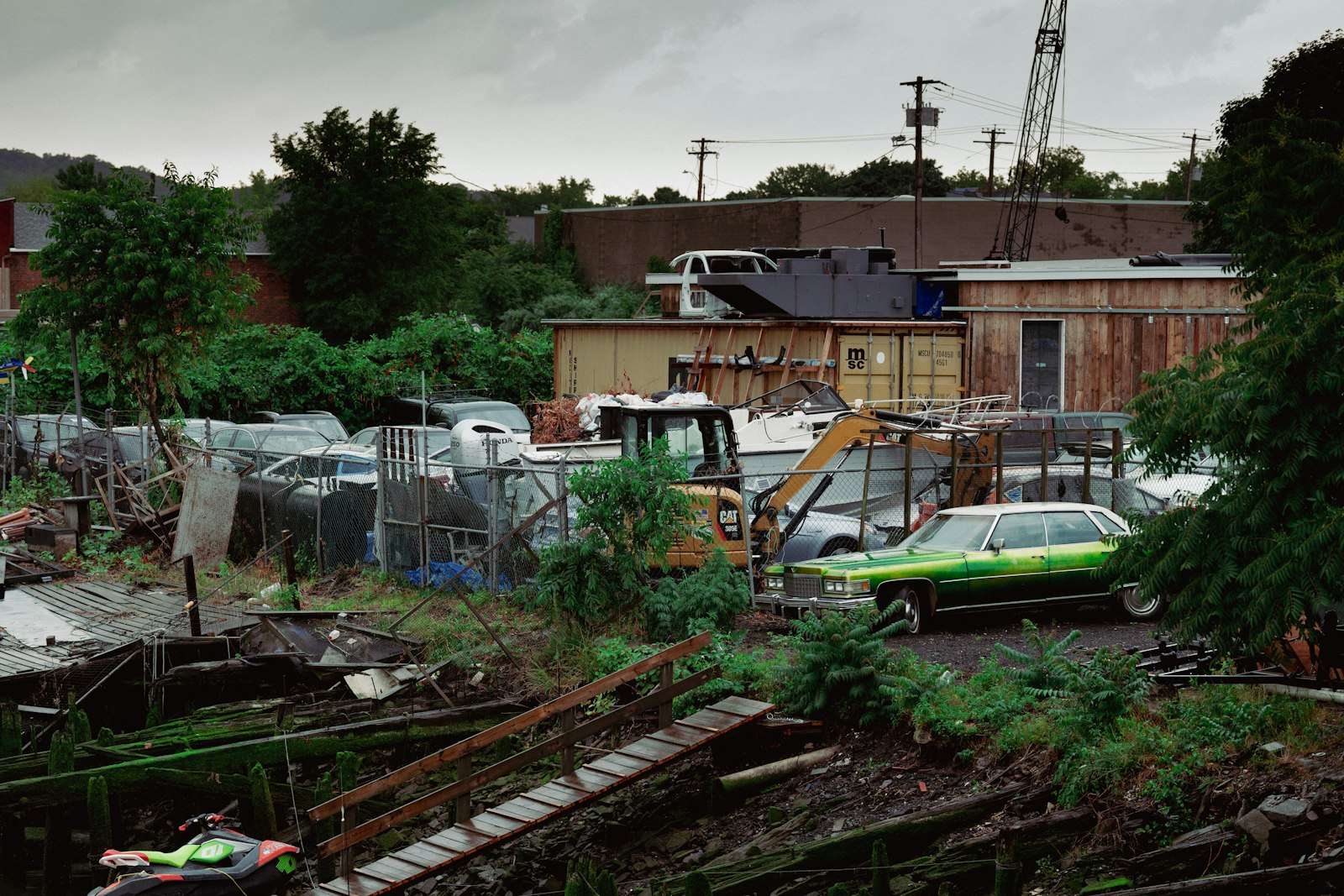
Police said the first stolen vehicles they found led to search warrants at Bill Young’s Auto-Salvage, Bill Young’s Auto Body, two residences in Little Pond and a former elementary school in Florence. A police photo published by CBC shows one school hallway lined with auto parts that officers say came from stolen vehicles. The seizures also include boats, snowmobiles and heavy equipment, and MacKinnon said some vehicles were sold in the United States.
MacKinnon described the operation as one involving “theft, transport, dismantling, assembly and resale of stolen motor vehicles” across several provinces, with international connections. He also said that in more than 30 years of policing he had not seen an investigation this size.
Sandy Joseph Young, 47, of Little Pond, was first arrested in July 2025 on theft and weapons charges and released on bail. CBC reports that when police tried to lay more charges a year later he ran and was on the loose for nearly 24 hours. He was granted bail again last month after putting up $600,000 in property and $30,000 in cash. Jesse William Young, 22, of Little Pond, is also charged. Police were waiting on arrest warrants for Jason John McDonald, 42, and Melissa McDonald-Gray, 41, both of Stouffville, Ont. The charges include theft, weapons offences and organized crime, according to CTV News Atlantic, which reported the 16-month investigation produced about 220 charges. MacKinnon said there is no evidence of any particular criminal organization beyond the four people named in court documents.
What the registry can and cannot see
Nova Scotia’s Stolen and Wrecked Vehicle Program works on whole vehicles. Insurers report damage to the Insurance Bureau of Canada and the permit is branded. A “salvage” vehicle may change hands but cannot be driven until it passes inspection, a “non-repairable” vehicle can never return to the road and must be junked or sold for scrap or parts, and a brand from one province carries to every other. When police report a theft, the national database is updated, and the province says a stolen vehicle’s number is red-flagged so it cannot be registered and police are notified.
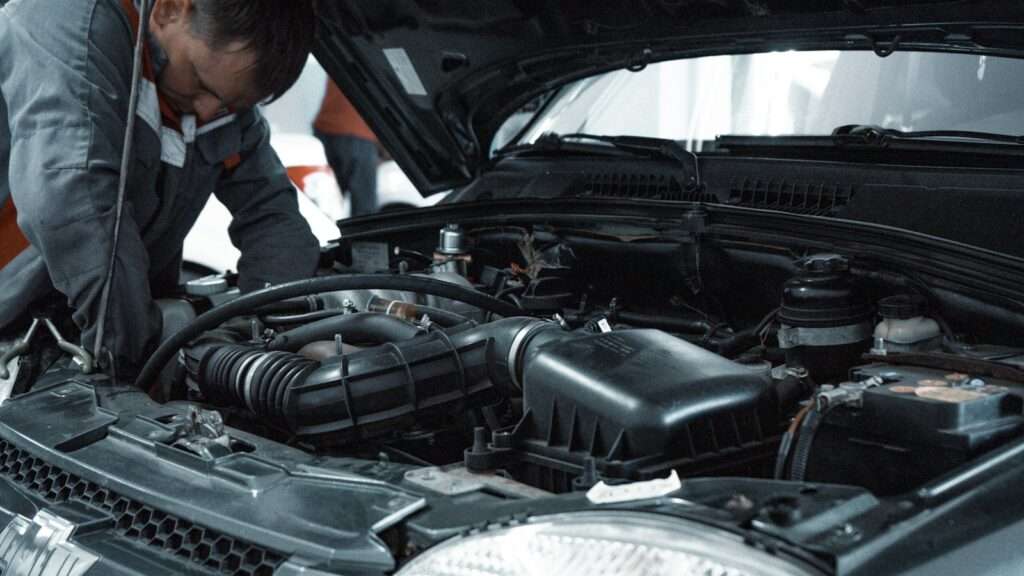
Every one of those controls hangs on a VIN. That is my reading of the program rather than a finding from this case, but the logic is hard to avoid. A flag on a stolen truck’s original number does nothing for a buyer holding a truck wearing a different number, and a stripped truck is no longer a vehicle at all. A fender or a transmission carries no title. A salvage yard that legally sells parts off non-repairable vehicles produces the same kind of inventory, with the same lack of paperwork, as a yard selling parts from a stolen one. The buyer at the counter cannot tell the two apart from the part.
Why the organized-crime charge matters
Under section 333.1 of the Criminal Code, theft of a motor vehicle carries up to 10 years on indictment. When the theft is committed for, at the direction of, or in association with a criminal organization, the maximum is 14 years. The statute sets that ceiling; what the Crown can prove about who worked with whom is the open question, particularly with MacKinnon saying police see no group beyond the four.
Holding a case this size also costs money. MacKinnon said storing the vehicles and parts runs $10,000 a week and has passed $500,000, and police bought 14 sea containers at roughly $6,500 each, about $91,000 by The Auto Wire’s math. Insp. Bill Turner said the evidence started in municipal public works yards before outgrowing them and moving to an undisclosed site with 24-hour security.
What used-truck and used-parts buyers can check
Nova Scotia tells buyers to look at the registration or permit for branding on accident history after June 21, 2000, and to ask the seller about the extent of any repairs. A VIN on the paperwork should be matched to the number on the vehicle itself, and a part should come with the identity of the vehicle it was pulled from, including a VIN, so it can be traced. A clean permit proves the paper is clean. It does not prove the metal is the same metal. Recent theft cases in the news, such as $80,000 in Ford Rouge parts allegedly resold online and a Maryland crackdown tying 13 suspects to 35-plus thefts, point the same way: the resale side is where stolen vehicles turn into something a shopper will pay for.
Police say the investigation is continuing, and the next thing to watch is whether the two Ontario warrants are executed and how the court handles the organized-crime counts.
If a yard can’t show you which vehicle a used part came from, should it be allowed to sell it at all?