
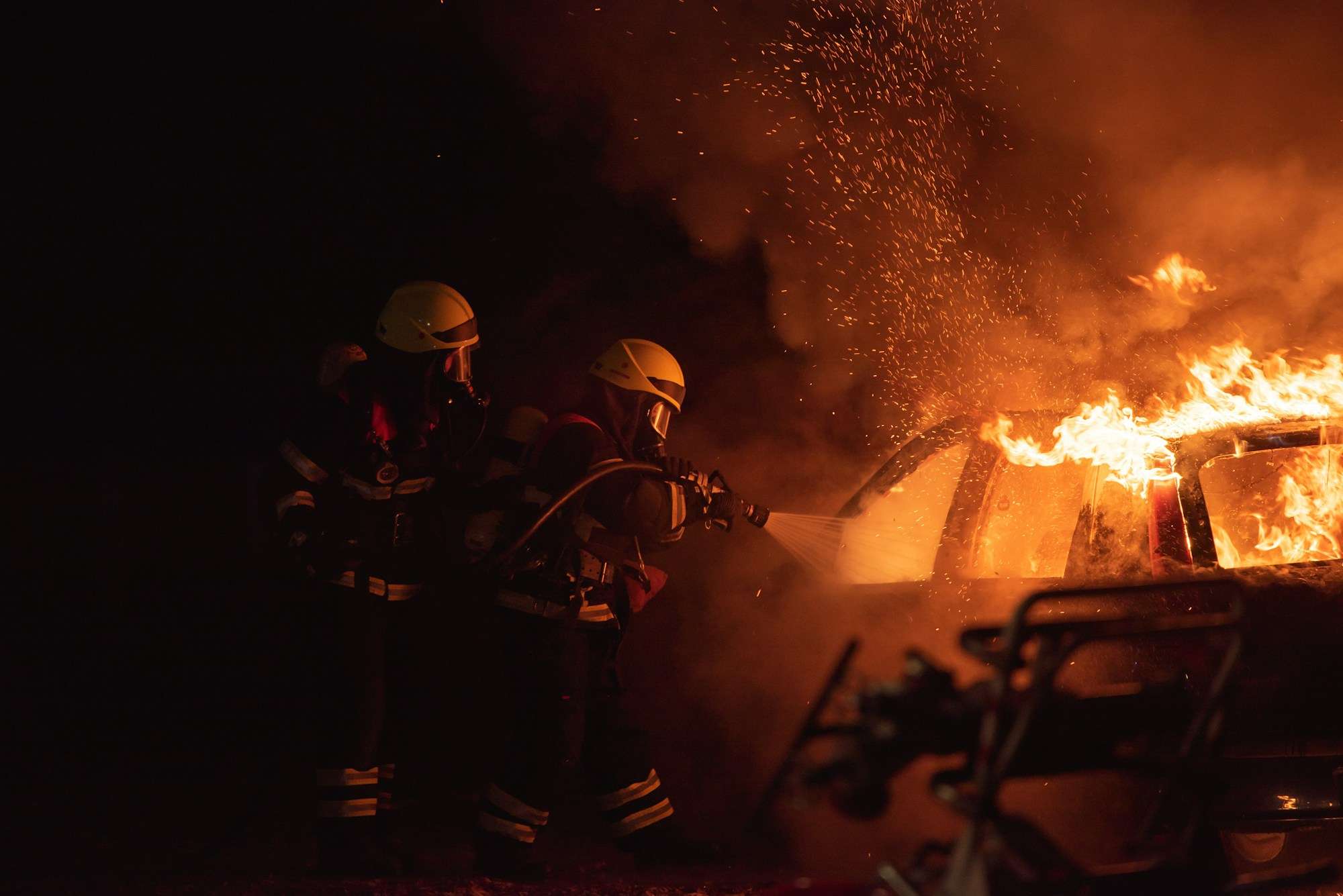
A battery pack in thermal runaway sent two workers to the hospital on Monday, Oct. 12, at a car dealership on South Colony Road in Wallingford, Conn. Three days earlier, a fire at a Cadillac dealer in Fort Worth, Texas, had started a burn that lasted 17 hours and 33 minutes. One fire was in a garage with people in it. The other was on a lot full of cars. That difference is most of what the two incidents have to teach.
What Wallingford officials have said
Firefighters were called to the garage around 11:45 a.m., according to WFSB, and found heavy smoke and a battery pack in thermal runaway. One worker was taken to the hospital with burns and a second with smoke inhalation. Fire Engineering, relaying a Journal Inquirer report, says the pack short-circuited and ignited, that crews knocked the fire down inside the building, and that they then removed the pack so it could not spread the fire. Wallingford hazmat technicians and the Connecticut Department of Energy and Environmental Protection responded because of the chemicals in the packs, and Meriden firefighters, Eversource, and state police assisted.
A WTNH headline calls it a Porsche dealership. The other reports I could open do not name the dealer or the vehicle, and none says what the two workers were doing when the pack failed. No cause has been released.
Seventeen hours at Frank Kent Cadillac
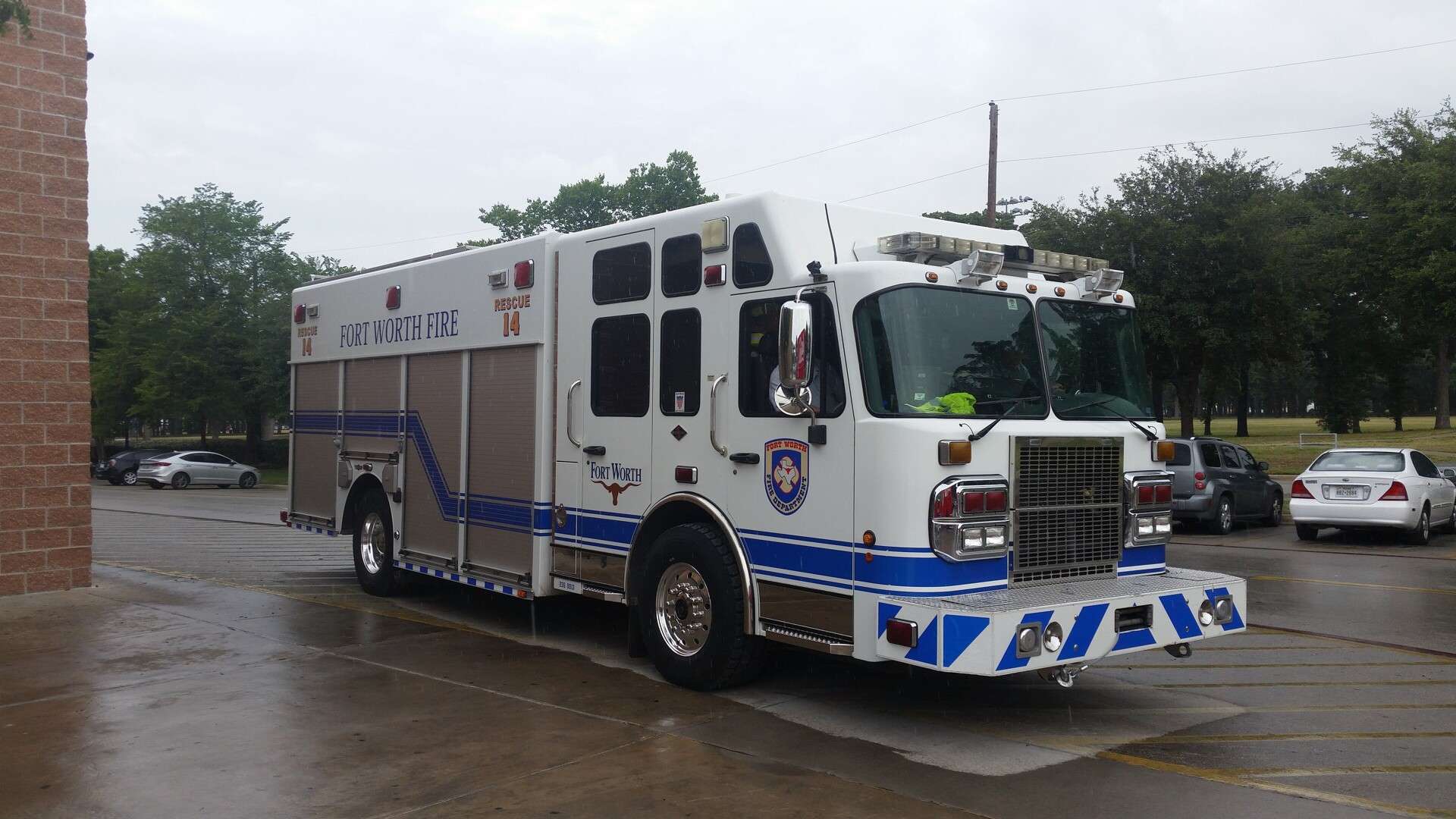
Fort Worth firefighters were dispatched to Frank Kent Cadillac, in the 3500 block of West Loop 820, around 5 p.m. on Friday, Oct. 9. The incident ended around 10:30 a.m. Saturday, according to Fire Engineering. Six electric SUVs were destroyed and at least two others were damaged. Nobody was hurt, and the cause is under investigation. The department said EVs can burn much hotter than an average fire and that, in its words, “The vehicles are deliberately built not to let water in.” Crews covered the burning SUVs with fire blankets and moved other vehicles out of the fire’s path. The Auto Wire’s earlier report on the Fort Worth fire has the department’s timeline and the GM recall question.
Why a sealed pack is hard to put out
The seal is what lets a pack survive car washes, flooded intersections, and slush kicked up by the front tires. When one cell overheats and passes the heat to its neighbors, which is thermal runaway, the same seal keeps a hose stream away from the cells that are burning. Crews can cool the outside for hours, and a pack that looks finished can restart.
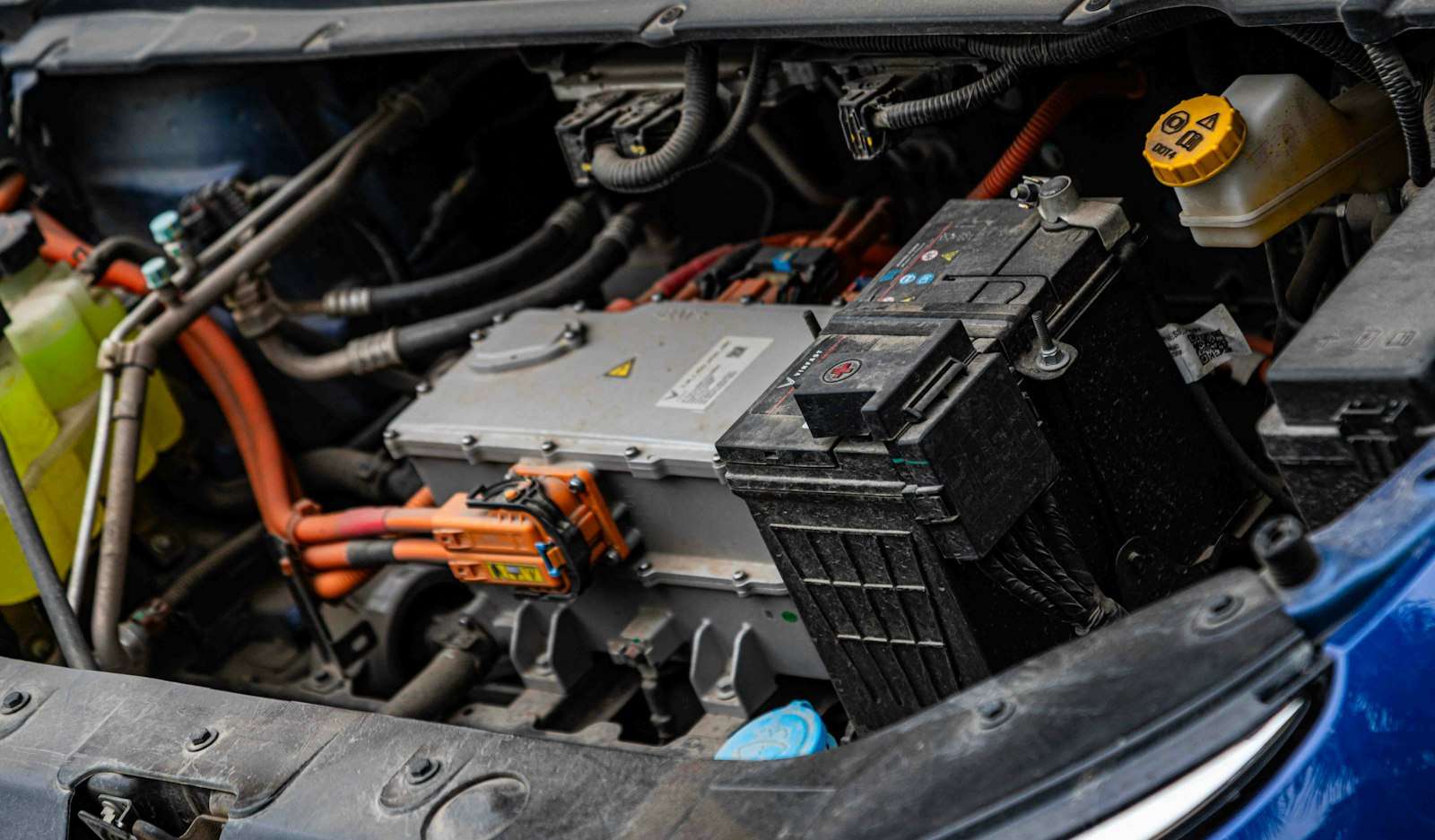
A dealership adds two problems of its own. Inventory is parked close together, so a burning vehicle has neighbors to ignite. A service garage puts technicians within arm’s reach of packs, some of which were brought in because something is wrong with them. In Wallingford, the injuries were burns and smoke inhalation inside the building.
Fire blankets stop the flames and trap the gas
Blankets are the tool Fort Worth crews used, and they are the subject of a federal advisory. In June 2025 the U.S. Fire Administration passed along a notice from the Fire Protection Research Foundation, the research affiliate of the National Fire Protection Association, and UL Research Institutes’ Fire Safety Research Institute. Their experiments found that a blanket put out the visible flames by cutting off oxygen, while thermal runaway continued underneath and flammable gases built up. In some tests that buildup created an explosion risk for firefighters working near the vehicle, especially when air got back in. Washington crews celebrated their first successful use of an EV blanket the same year the notice went out.
The USFA page, last reviewed May 1, 2026, said FSRI was still analyzing its comparison of hose streams, under-vehicle nozzles, and blankets, with a detailed report to come. Nothing in Fort Worth’s reported statements says how the blankets affected the length of the fire, and the advisory does not say blankets prolong one. It does show that the standard tactic for a lot full of burning EVs is still under study.
A recall with no repair brings the cars to the dealer anyway
Volkswagen’s ID.4 recall, NHTSA campaign 26V630, covers 22,524 SUVs built from Jan. 1, 2023, to Feb. 1, 2025. I read the recall report Volkswagen submitted Oct. 1. It says certain charging profiles combined with a state of charge over 80% may trigger thermal propagation, which may result in a vehicle fire. The root cause is unknown, the final remedy remains under development, and owners are told to limit charging to 80% in the meantime. The Auto Wire covered the recall and the charging data behind it.
Neither fire department has said what caused its fire, and I have seen nothing tying either one to the ID.4 recall. The connection is where those cars go next. Owners can’t get a repair that doesn’t exist, but they will still bring the SUVs in for warning stickers and ordinary service, and each visit puts a pack with an undiagnosed fault inside a dealer’s building.
What to watch
The cause findings from Wallingford and Fort Worth will show whether these were service failures, charging failures, or something else, and whether the dealers’ layouts made them worse. The FSRI report will show whether the blanket belongs on the dealer-lot fire plan. An owner with a recalled EV can ask the service advisor where the car will sit overnight, a question dealers should be able to answer in one sentence.
If your EV is under a recall with no repair yet, would you rather the dealer keep it indoors in the service bay or parked outside in the lot until a fix exists?