
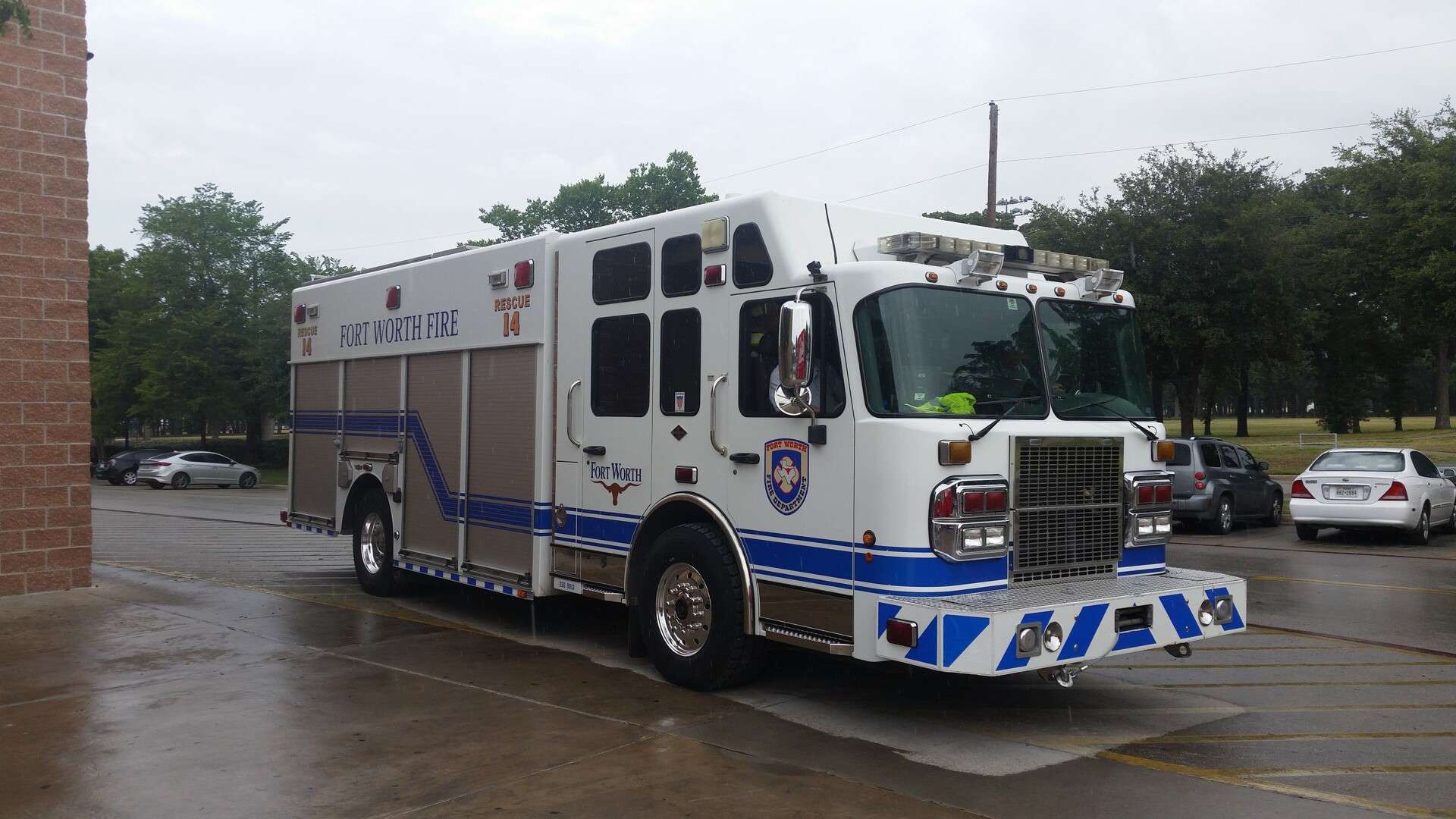
Fort Worth firefighters were sent to Frank Kent Cadillac, in the 3500 block of West Loop 820 on the city’s west side, around 5 p.m. on Friday, Oct. 9, for a vehicle fire. According to the Fort Worth Fire Department’s account, crews found one SUV engulfed in flames and the fire moving into the SUVs parked next to it. Then they determined the vehicles were electric. The last unit went back in service at 10:30 a.m. Saturday, 17 hours and 33 minutes after the first dispatch. Six electric SUVs were destroyed and at least two others were damaged. No one was hurt.
The department says the cause is under investigation, and it has not said which Cadillac models burned. GM does have an open high-voltage battery fire recall that includes Cadillac’s Escalade IQ. I read the filing. It covers five Cadillacs in the entire country, and GM told regulators it knew of no incidents in the field. Nothing the fire department or the dealership has released mentions a recall.
Whatever started the fire, the public record hints at why it took out eight SUVs instead of one. GM’s own guide for firefighters says a burned electric Cadillac should be kept 50 feet from other vehicles. A dealer lot parks them a few feet apart.
What the Fort Worth Fire Department said about the burning SUVs
The department laid out the problem in a social media post, as reported by the Fort Worth Star-Telegram. Electric vehicles can burn much hotter than an ordinary vehicle fire, the post said, and their battery packs are sealed against road spray and rain. “The vehicles are deliberately built not to let water in,” the post read. That seal is what keeps a pack alive through years of car washes and flooded intersections. It is also what keeps a fire hose from reaching the cells that are burning.
Crews draped fire blankets over several of the burning SUVs to hold the fire in place while other vehicles in its path were moved away, officials said, and they rotated crews through the night. Craig Trojacek, the department’s public information officer, told Firehouse.com that the fire service has to keep its tactics current as vehicle construction changes. “Outdated tactics on some of these new fires may be the difference between life and death,” he said.
In its own social media post, Frank Kent Cadillac said no one was injured and thanked firefighters, saying they brought the fire under control before it could spread to neighboring businesses or the surrounding grassland. The Dallas Express reported that the dealership also thanked Station 23, the firehouse that responded first, and planned to bring the crews meals.
GM’s battery fire recall covers five Cadillacs nationwide
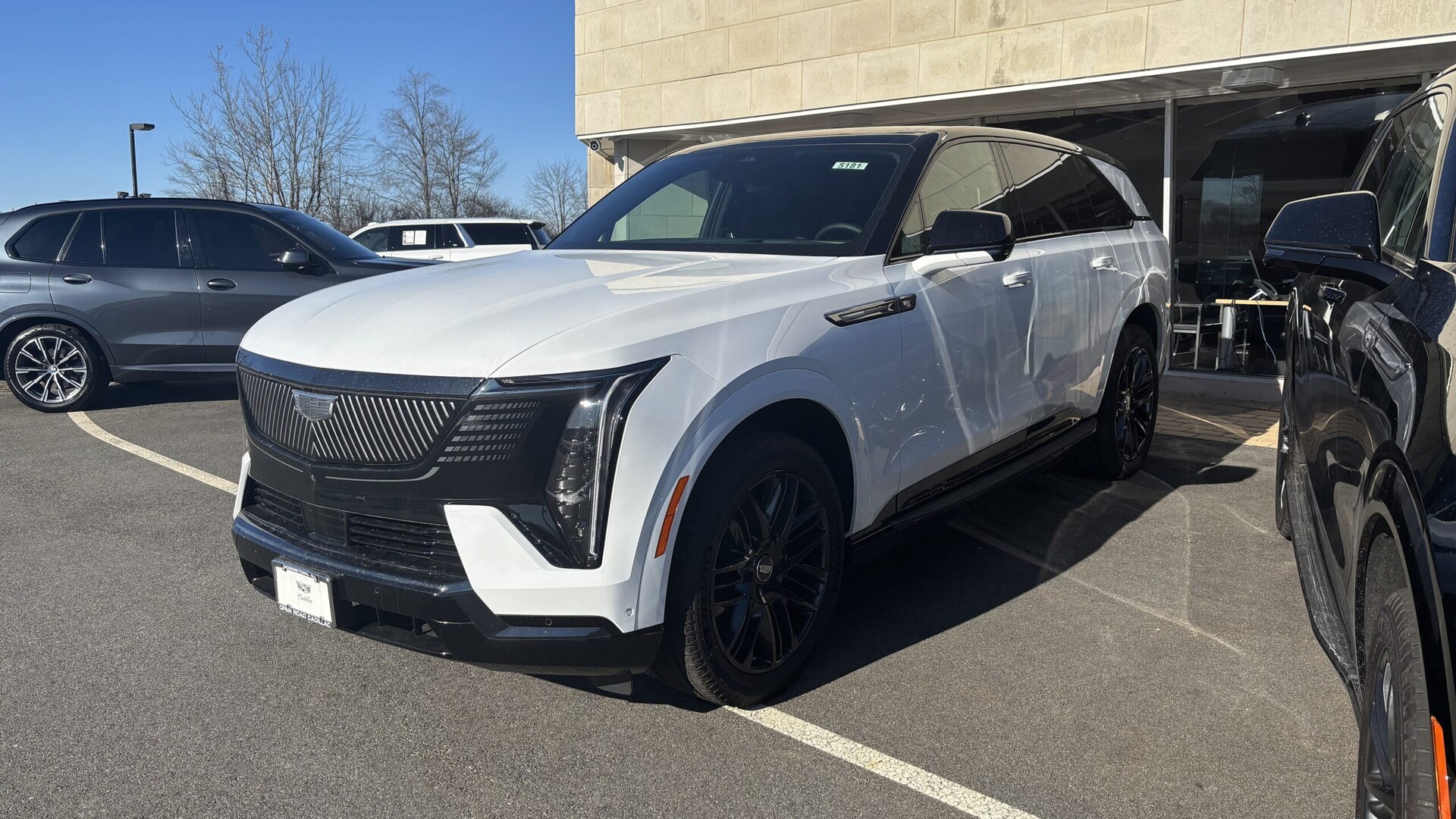

The recall in question is NHTSA campaign 26V494, which GM filed on July 30, 2026, and updated on Sept. 10. It covers 11 vehicles: two 2026 Cadillac Escalade IQs, three 2026 Escalade IQLs, four 2026 Chevrolet Silverado EVs, one 2026 GMC Sierra EV and one 2022 GMC Hummer EV pickup. GM’s filing says a module component inside the high-voltage battery may not be fully secured, that a loose piece can move and damage the battery, and that a battery damaged that way has an increased risk of fire.
The chronology in the filing traces the defect to one machine. On May 17, GM found two battery modules at its Ramos plant with sense line assembly fingers not fully secured. The modules are built at GM’s Factory Zero, where a press used in that step had been misadjusted during scheduled downtime. GM reviewed photographic manufacturing records, narrowed the suspect batteries to 14 vehicles, 10 of them in the U.S., and later added one more. The Cadillacs in the recall were built between May 8 and May 18, 2026. The fix is a new battery pack, installed by a dealer at no charge, and GM told NHTSA it was not aware of any field incidents tied to the condition.
The only other Cadillac EV battery recall I found in NHTSA’s database for recent model years is 25V483, from July 2025. It covered 53 2025 Lyriqs and 2026 Vistiqs whose battery mounting bolts could be missing or loose, a condition GM said could let the pack be damaged in a crash and raise the risk of a fire. Nothing released about the Fort Worth fire describes a crash.
Five recalled Cadillacs spread across the country, an unknown mix of models in Fort Worth, and no cause from investigators: on the record as it stands, tying this fire to the recall is a guess. If investigators name a model and a cause, that changes. Until then, the documents speak to a different part of the fire: how it spread.
GM’s firefighter guide says a burned Cadillac EV belongs 50 feet from other cars
GM publishes emergency response guides for its electrified models, written for firefighters and tow operators. GM’s guide for the Escalade IQ tells crews to use large amounts of water to cool and extinguish a burning battery, not to bother with an ABC dry chemical extinguisher because it will not put out a battery fire, and to expect that the battery can reignite. After the fire, it says the vehicle should be stored about 15 meters, or 50 feet, from other vehicles, or otherwise separated from them, because the hazards continue through towing and storage.
A dealer lot isn’t laid out with 50 feet between vehicles, and the guide’s spacing applies after a fire, when the vehicles nearby have already been exposed. On West Loop 820, firefighters made separation the hard way, moving SUVs out of the fire’s path while blankets held the burning ones.
The National Transportation Safety Board documented why that distance matters in a 2020 safety report on lithium-ion battery fires. The board called it stranded energy: the charge left inside a damaged battery after the flames are out, which can shock responders and restart the fire, and which firefighters have no way to measure on scene. In one case the NTSB studied, a crash in Mountain View, California, the battery reignited at the impound lot five days after the crash. That same impound lot did not have enough room to give the wrecked vehicle the 50 feet of clearance its manufacturer recommended. The NTSB found that most automakers’ guides lacked vehicle-specific detail on putting out battery fires and recommended they model the guides on an international standard, ISO 17840.
So 17½ hours on scene isn’t a crew dragging its feet. It’s what the NTSB described. Knocking down the flames is one job; standing by until a pack stops heating up is another, and on a lot full of similar vehicles there is nowhere to put a smoldering one.
Six electric Cadillacs are worth $300,000 to $764,000 at sticker
Cadillac’s electric lineup starts at $49,995 for the 2026 Optiq and runs to $127,405 for the 2026 Escalade IQ, according to the prices on Cadillac’s website. Six destroyed SUVs at those starting prices come to between $299,970 and $764,430 before options, by The Auto Wire’s math. The fire department and the dealership haven’t said which models were involved, or whether all eight vehicles were unsold inventory or included customer cars on the lot for service, so the real figure could land anywhere in that range.
What Escalade IQ owners and Fort Worth shoppers can check now
If you own or are shopping for a 2026 Escalade IQ or Escalade IQL, run the VIN through NHTSA’s recall lookup. GM’s number for this campaign is N262562600, and Cadillac customer service is at 1-800-333-4223. Because the suspect batteries were narrowed to specific build records, the overwhelming majority of Escalade IQs will come back clean. Federal law bars a dealer from selling a new vehicle with an open safety recall until the recall repair is done. Our roundup of the last 60 days of recalls has the rest of this fall’s campaigns, and Volkswagen’s ID.4 battery recall shows what owners face when a fix isn’t ready yet.
The next document in this story is the Fort Worth fire investigators’ finding on what started it, and which vehicle it started in. If it points to a battery failure, the next question is whether the SUV it started in was one of the five Cadillacs on GM’s recall list. If it points somewhere else, the recall drops out of the story, and GM’s 50-foot guidance still applies to every lot with electric SUVs parked side by side.
Fire codes already regulate how dealers store gasoline. Should they also say how tightly EVs can be parked on a lot? If you’ve worked a lot or a fire line, how much space is realistic?