
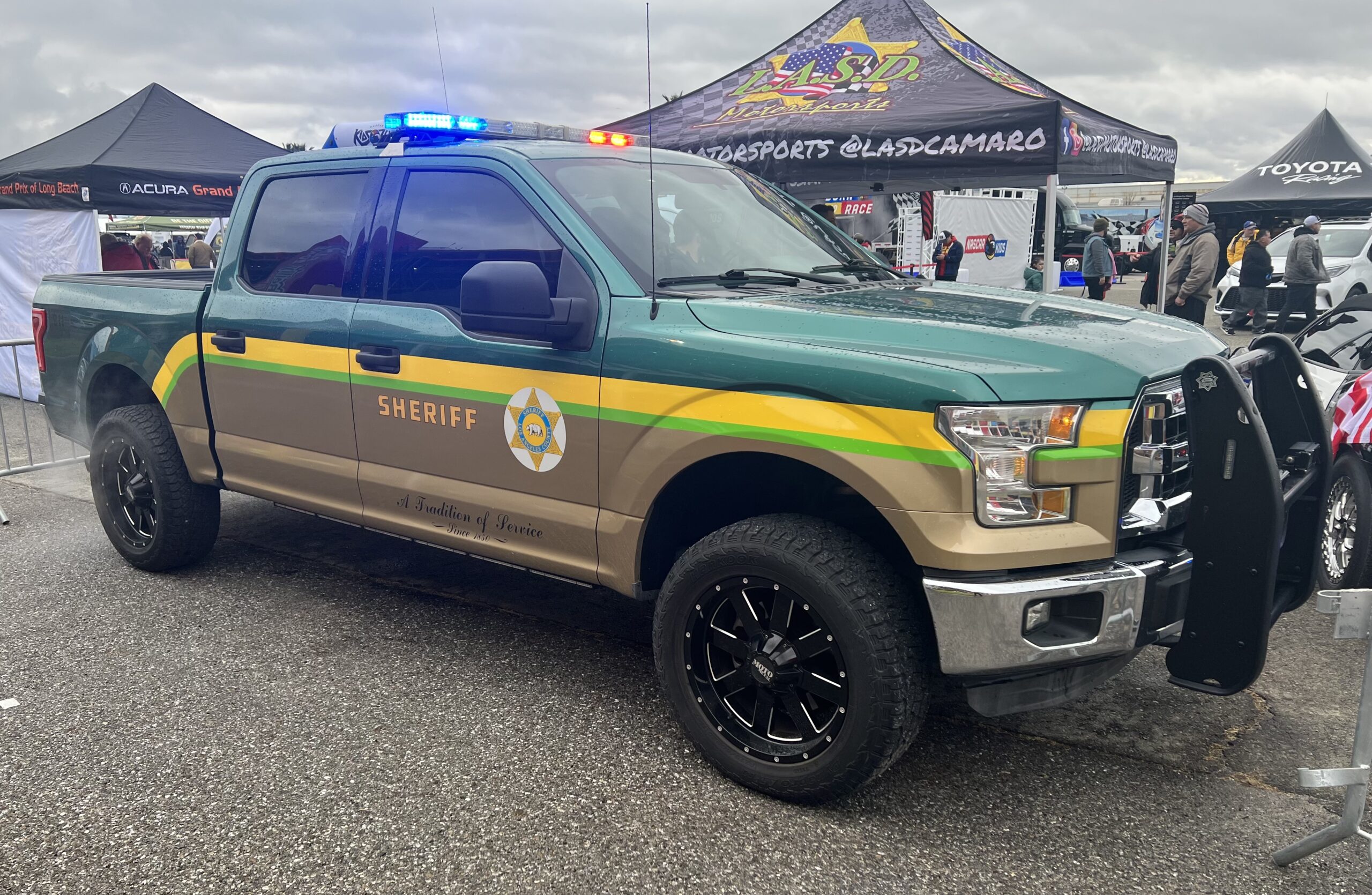
A Westmoreland County, Pa., judge dismissed Sheriff James Albert’s GPS tracking lawsuit against the county on Nov. 2 and ruled it moot, so no court has decided whether county commissioners can put telematics in the cars of an independently elected sheriff, TribLIVE reported. Common Pleas Judge Harry Smail Jr. had been set to hear the case in a nonjury trial. Instead, he extended his earlier order barring GPS tracking of the sheriff’s vehicles while the sheriff and commissioners keep talking. The money at stake is small. The fight is over who gets to see where deputies drive.
Why the judge never reached the question
A case is moot when something changed enough that a ruling would settle nothing. Here, the change is a piece of paper. Commissioners approved a revised policy at a public meeting on Oct. 22. It adds a paragraph saying the policy does not limit the oversight elected officials or judges have over their offices, and it lets department heads, the sheriff included, request a waiver from the tracking provisions again. At the hearing, Public Works Director Dante DeCario said commissioners had not signed the revised policy and it had not been distributed to county staff, according to TribLIVE.
So the court set aside a lawsuit over a policy version that is not yet in force, and the underlying dispute went unanswered. Albert argued that commissioners lack authority to supervise elected officials and their staff, as TribLIVE reported from his court filings in April 2025. The county replied that the sheriff’s supervisory rights under the county code do not let him interfere with county assets or fiscal affairs.
Both sides left claiming ground. Albert called the outcome “a partial win.” His attorney, Marco Sylvania, said the new language clarifies elected officials’ oversight but does not address the sheriff’s safety concerns, that the policy could be challenged in another lawsuit, and that the sheriff’s office needs a separate policy. Commissioner Sean Kertes said the county won and that the policy protects expensive assets and promotes accountability. Commissioner Doug Chew said the amendment responded directly to Albert’s concerns and that he is still willing to meet, but that Albert needs to attend. Commissioner Ted Kopas said he hopes the ruling ends the legal fight.
What the trackers do and what they cost
Under the policy commissioners approved in 2024, employees must log in to a GPS device installed in nearly every county-owned or leased vehicle, giving the county real-time data on where, when and how vehicles are driven, TribLIVE reported at the time. The vendor is Geotab. The equipment carried a one-time fee of $11,463, and an estimate reported then put the project at about $38,000 a year. The county’s court response said the fleet costs about $1.2 million a year to run, which makes the tracking bill roughly 3 percent of that. Commissioners cited damage to take-home vehicles and a December 2022 crash in which District Attorney Nicole Ziccarelli’s county SUV took more than $33,000 in damage.
The county leases about 190 vehicles. TribLIVE’s reporting on the lawsuit put about 30 of them in the sheriff’s department, roughly one in six.
Who holds the location history
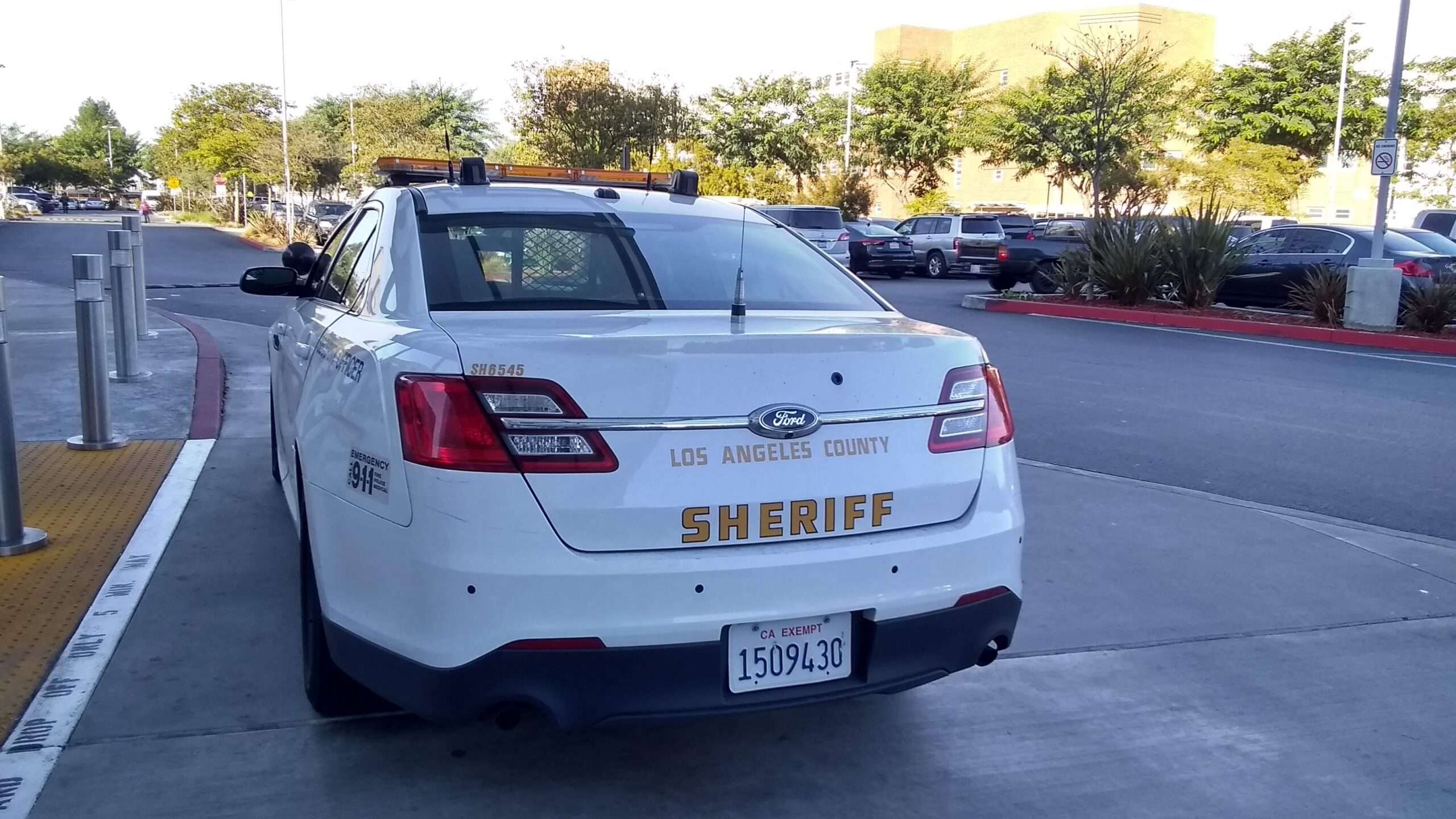
Albert’s objections, as reported, go to what the data reveals. Real-time tracking could expose deputies’ locations, tip off fugitives that a warrant is about to be served, and be used to monitor deputies who assist state police on drug investigations or serve protection-from-abuse orders. On Nov. 2 TribLIVE also relayed his argument that the devices could be hacked. The district attorney’s office, which asked for its own waiver, argued that GPS data could be subject to public records requests and could expose detectives’ locations.
That last point shows the mechanism. A tracker’s location history sits in the account of whoever bought the system, and here that is the county, not the agency whose cars carry the devices. The owner of the account decides who can query it, and what a records request can reach. No court has ruled on that question for a sheriff’s fleet in this case, and the Nov. 2 dismissal means none has to yet.
Location data about police vehicles is already producing litigation elsewhere, including a Fifth Circuit appeal over searching Flock cameras without a warrant and charges against deputies in a Florida plate-search case. Fleet telematics is a smaller, quieter version of the same issue, with an employer rather than a prosecutor holding the data.
What to watch in Westmoreland County
Three things will tell the story: whether commissioners sign the revised policy and send it to staff, whether Albert uses the restored waiver process, and whether Sylvania follows through on the possibility of a second lawsuit. Until then, Smail’s extended order keeps tracking out of the sheriff’s vehicles.
If a county buys the trackers for its sheriff’s patrol cars, should it be allowed to see where deputies are in real time, or should the sheriff’s office control that data itself?