
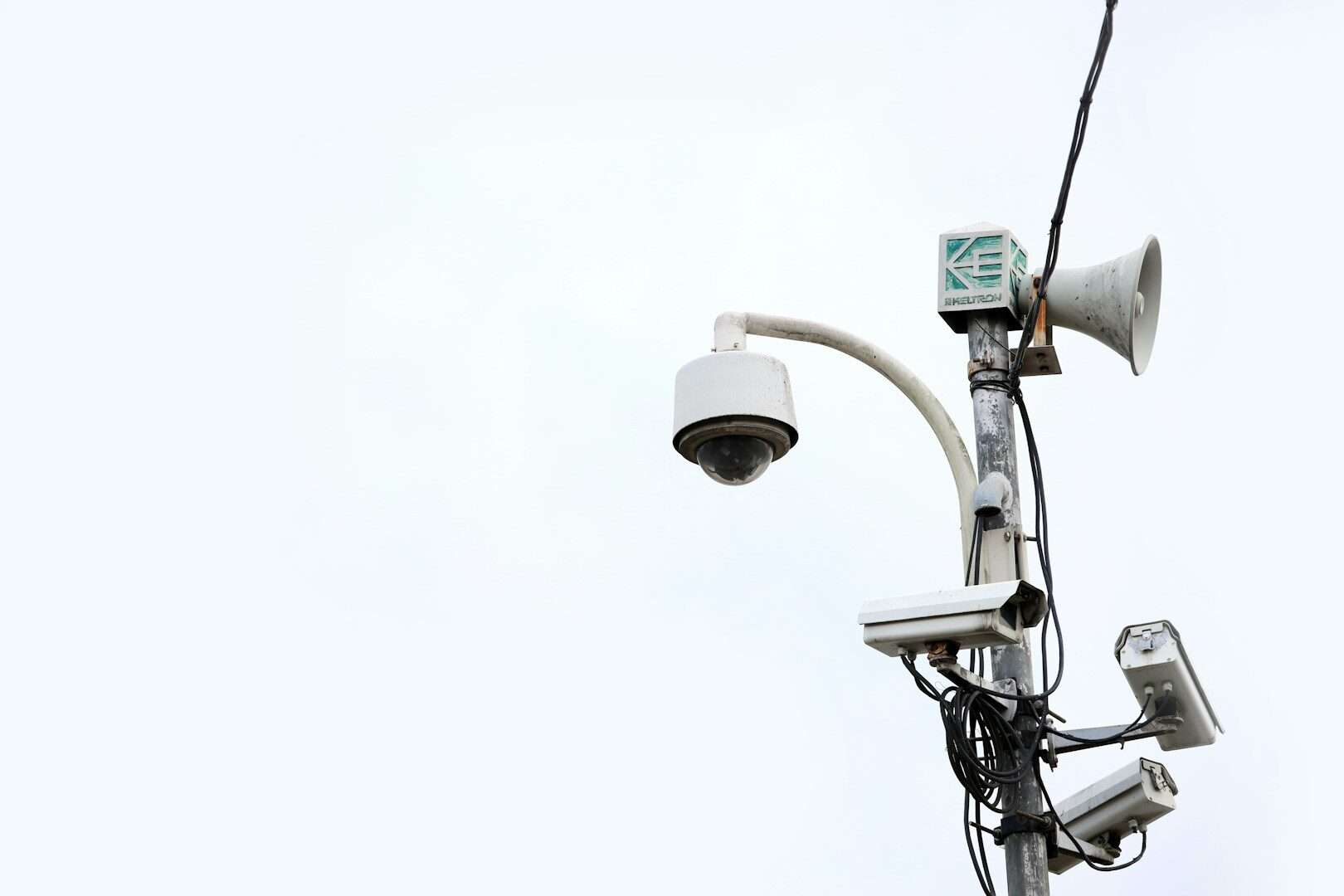
A former Indian River County sergeant walked into the county jail in Vero Beach, Fla., at 7:49 Monday morning, Nov. 2, and walked out 67 minutes later on a $10,000 bond. According to jail records cited by TCPalm, John Finnegan was booked on a charge of “accessing computer electronic device without authority.” Another former deputy, Samuel Marcus Earman, was charged the same morning with four counts. Earman has been in jail on earlier charges for about a year.
Sheriff Eric Flowers said both men used the agency’s license plate reader network and other law enforcement databases to look up people, including women they knew, for reasons that had nothing to do with police work. Both have been charged, and neither has been convicted.
Here’s what should bother every driver who passes one of these cameras: how Finnegan got caught. Flowers said the investigation started when TCPalm reporter Jack Lemnus told the agency about more than 900 plate searches Finnegan ran in 2024 and 2025. The reporter found them in public-facing databases. It wasn’t a supervisor who noticed, and it wasn’t an alarm. A newspaper found them in logs that, under Florida law and under Flock’s own recent changes, are getting harder for outsiders to read.
What the sheriff and the jail records say each man did
Flowers said Finnegan had worked for the agency for about 19 years and was most recently assigned to the school resource unit. TCPalm’s count is 18 years. The sheriff said Finnegan admitted to the searches, cooperated with detectives, and resigned the day before his arrest. A TCPalm–USA TODAY analysis found that he searched the same two license plates 574 times between March and October 2025. The reasons he typed into the system included “SUS” and “DAYTIME SEARCH FOR BEST RESULT.” He faces one felony count.
Earman’s case was already open. He was fired and arrested in November 2025 on charges of stalking and unauthorized computer use. In May 2026 he was charged with another computer count. The warrant for his Nov. 2 arrest lists four counts covering alleged unauthorized access to four systems on dates from 2023 to 2025:
- Flock
- DAVID, the state’s driver and vehicle database
- FCIC/NCIC, the state and national crime information systems
- LERMS, the agency’s records system
Bond on the warrant was $40,000 per count, or $160,000 in total. Flowers said the agency’s audit found more than 200 searches by Earman involving three women. Investigators have contacted the women. Flowers also said 10 to 12 women came forward after Earman’s first arrest.
Related Articles
- He Ran a California Plate Through Flock, Then Stopped the Car for Following Too Closely. A Federal Judge Called the Lookup a Search
- A Florida Kia Dealer Advertised a Used CR-V at $18,800, Billed $23,539.85, and Added a $995 ‘Loyalty’ Fee for First-Timers, the FTC Says
At the news conference, Flowers said, “Today, we arrested two.” He also defended the cameras. “Ensuring the public has trust in (the Flock system) is important to me and this agency,” he said, as quoted by Vero News. The agency has used Flock since early 2021 and has said it runs 140 readers.
I couldn’t find a public statement from either man or a lawyer for either of them. Both cases are in the charging stage.
How a routine plate search becomes a felony in Florida
The charge is Section 815.06 of the Florida Statutes, a 1978 computer-crime law. It makes it a crime to access a computer system knowing the access is unauthorized or that the manner of use exceeds authorization. At its base level, it is a third-degree felony, which carries up to five years in prison and a $5,000 fine. That is the same statute used against someone who breaks into a company network.
The defense is written into the same section. The statute’s exemptions say it does not apply to a person who “acts within the scope of his or her lawful employment.” Every officer who runs a plate is authorized to use the system. Prosecutors have to prove that a particular search was outside the job. The main evidence for that is the reason the officer typed in. “SUS” means suspicious, and it could appear in a legitimate search. A record showing the same two plates searched 574 times is much harder to explain.
So the free-text reason field is the whole ballgame. Along with the audit logs, it’s the main record of why anyone ran a plate.
The search logs drivers can’t see
Under Florida law, a driver has almost no way to find out who searched their plate on Flock. Section 316.0777 makes images and data from plate readers that contain personal identifying information confidential and exempt from the state’s public records law. The statute does let a person get information about a plate registered to them, except where it “constitutes active criminal intelligence information or active criminal investigative information.” On my reading, the statute covers camera images and data. It says nothing directly about the search logs that show which officer looked a plate up and why.
Those logs became less visible this summer. InvestigateTV reported that the network audit logs showing searches by connected agencies no longer list the officer’s name, the plate searched, or the free-text reason. Flock told the outlet that the omitted information is kept by the agency that ran the search and that customer agencies asked for the change. Those logs are what outside researchers and reporters used to find patterns like Finnegan’s.
Flock also announced changes on Aug. 13. According to the AP, officers will have to tie each search to a case number from their records system, and an audit tool that flags unusual search behavior will become mandatory. CEO Garrett Langley said customers must adopt the changes by Jan. 1. Standard data retention also drops from 30 days to seven. The ACLU called the other changes “retreads” of earlier safeguards. A required case number makes curiosity searches harder, but it also gives the officer a ready answer to the 815.06 question.
DAVID searches are handled differently. Earman is charged with misusing DAVID, the state motor vehicle database that holds your license photo, home address and registration. Florida drivers can ask the Department of Highway Safety and Motor Vehicles who searched their record. You email DAVIDPublicRecordRequest@flhsmv.gov with your full name, driver’s license number and the time period you want. A fee applies.
DAVID misuse also falls under a federal law. The Driver’s Privacy Protection Act lets a person whose motor vehicle record was obtained for an impermissible purpose sue in federal court. The court can award actual damages of at least $2,500, plus punitive damages for willful misuse and attorneys’ fees. That law covers state DMV records. A camera logging your bumper at an intersection isn’t a DMV record, so the same driver may have a federal claim for the database search and no comparable claim for the plate-reader search.
Indian River is the latest of several cases
Indian River County is part of a longer list. On Sept. 30, Pinellas County Sheriff Bob Gualtieri announced the arrest of two former deputies. Gualtieri said one of them searched the plate of a woman he wanted to date 300 times, 207 of them while off duty. He said a media inquiry led to the audit and called his agency’s earlier oversight “inadequate.”
In Fort Pierce, just south of Vero Beach, police said former officer Josepher Crutchfield searched his ex-girlfriend’s vehicle in Flock 382 times between October 2025 and July 2026. In Savannah, Ga., three fired officers waived preliminary hearings in Flock misuse cases, which sent them to a grand jury. By TCPalm’s count, reported by the Florida Phoenix on Sept. 30, 27 law enforcement officers had been put on leave, fired or arrested following its investigation. The Institute for Justice, which opposes warrantless plate tracking, keeps a running list of alleged romantic-stalking cases. It says few of those cases were first found by internal investigations.
Related Articles
- Gas Is Down 36 Cents in a Month, but Diesel Still Costs $2.16 More a Gallon
- GM Is Recalling 67,380 EVs Over Brake Software While NHTSA’s Probe Into the Lyriq’s Brake Module Swells From 3,322 Cars to 1.16 Million
The state has acted on part of this. Gov. Ron DeSantis said on Aug. 26, “I think it’s out of control.” Five days later, the Florida Department of Transportation revoked permits for plate readers in state highway rights of way. Local reports on the memo say it was signed by Chief Operating Officer Will Watts. The 30-day removal deadline passed Sept. 30. The order covers state roads only, so cameras on county and city roads, including most of Indian River’s, keep running. TCPalm reported that Flowers said Sept. 1 he would comply but “I still want to continue to use the technology.”
What happens next in Vero Beach
Flowers said the audit began in August and is still reviewing earlier years. Two arrests probably won’t be the last. Finnegan’s and Earman’s cases now go through the 19th Judicial Circuit, and the scope-of-employment exemption is the likely main issue at trial. The Legislature returns in January. DeSantis and his would-be successors in both parties have said they want plate-reader rules written into law instead of handled by memo.
The open question is whether Florida law will let a driver see who has been searching their plate. Right now, a Florida driver can get a list of who opened their DMV file, but not a list of who searched their plate on Flock.
If a cop ran your plate last month, would you want to be told, even if it meant agencies had to open their Flock logs to you?