
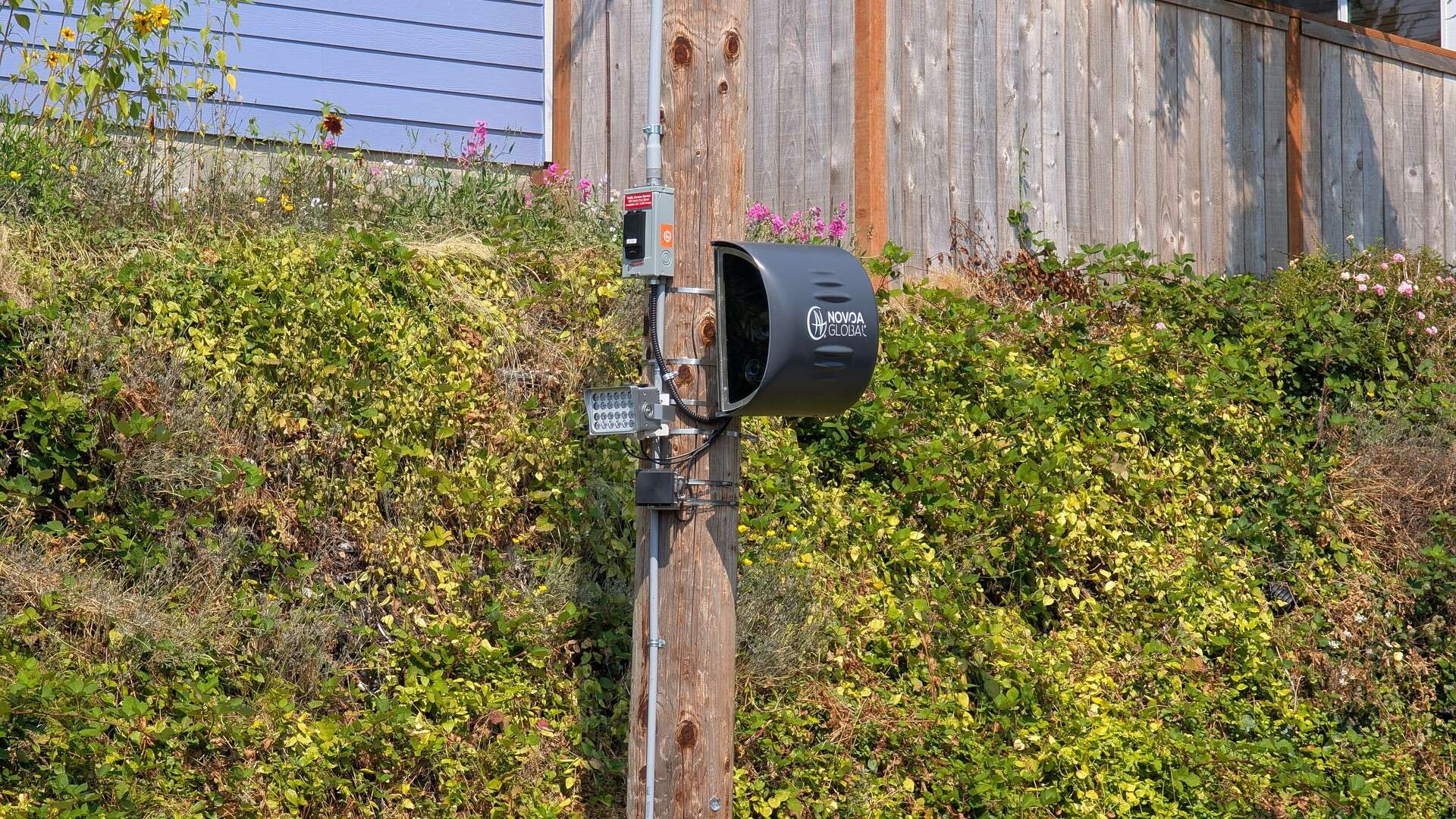
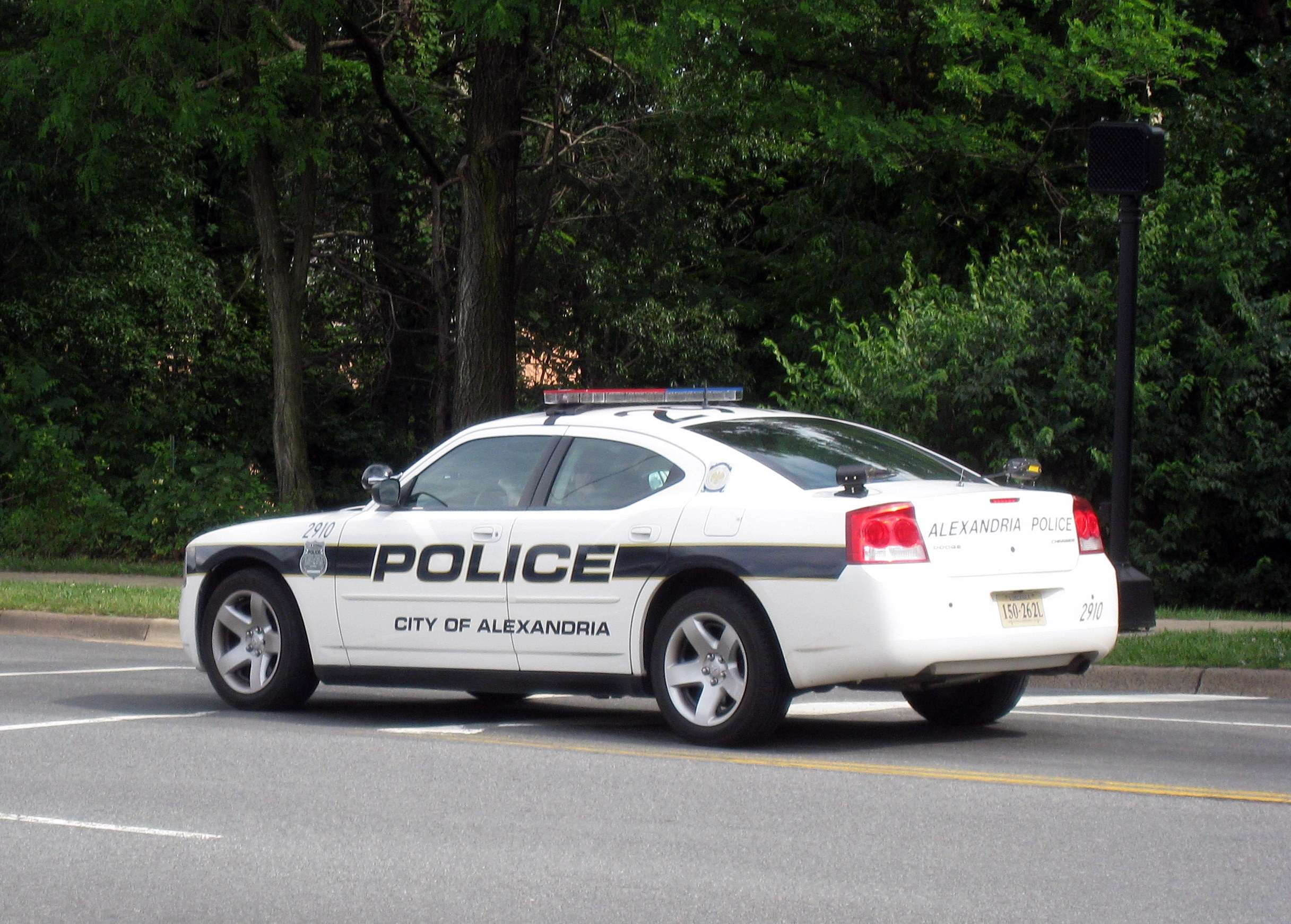
Tulsa County Deputy Freddie Alaniz knew one thing about the Mazda SUV on a highway near Tulsa: it had a California plate. The federal court record says that was the only reason he followed it. He ran the plate through Flock’s database, picked “traffic violation” and “investigation” as his reasons for the search, and got back more than 50 sightings across multiple states. Then he stopped the driver, Melisa Kyle, for following another car too closely, gave her a written warning, and held her at the roadside for a drug dog.
On Oct. 1, U.S. District Judge Sara E. Hill suppressed the evidence in United States v. Kyle, a Northern District of Oklahoma case (No. 26-CR-00189-SEH). The order makes two findings that pull in different directions. The stop was justified when it began. The Flock query that came before it was a Fourth Amendment search conducted without a warrant or probable cause.
Why the stop survived and the lookup did not
Alaniz cited two violations: failing to signal at least 100 feet before several lane changes, and following too closely, which he put at about 30 feet between vehicles. Hill relied only on the second and found it gave him an objectively reasonable basis for the stop. The California plate that made him notice the car did not matter to that question. The rule comes from Whren v. United States, a unanimous 1996 decision written by Justice Scalia holding that a stop supported by probable cause of a traffic violation is valid even if the officer had some other objective. “Subjective intentions play no role in ordinary, probable-cause Fourth Amendment analysis,” the opinion says.
Under that rule, a database result that makes an officer curious about a car does not have to be a legal ground for anything, so long as he then sees a violation he can describe. A driver stopped for following distance cannot challenge the stop on the ground that a database tipped the officer off. That is why the argument over plate readers has moved to the lookup itself, which Whren leaves untouched.
What the software offers beyond a plate lookup
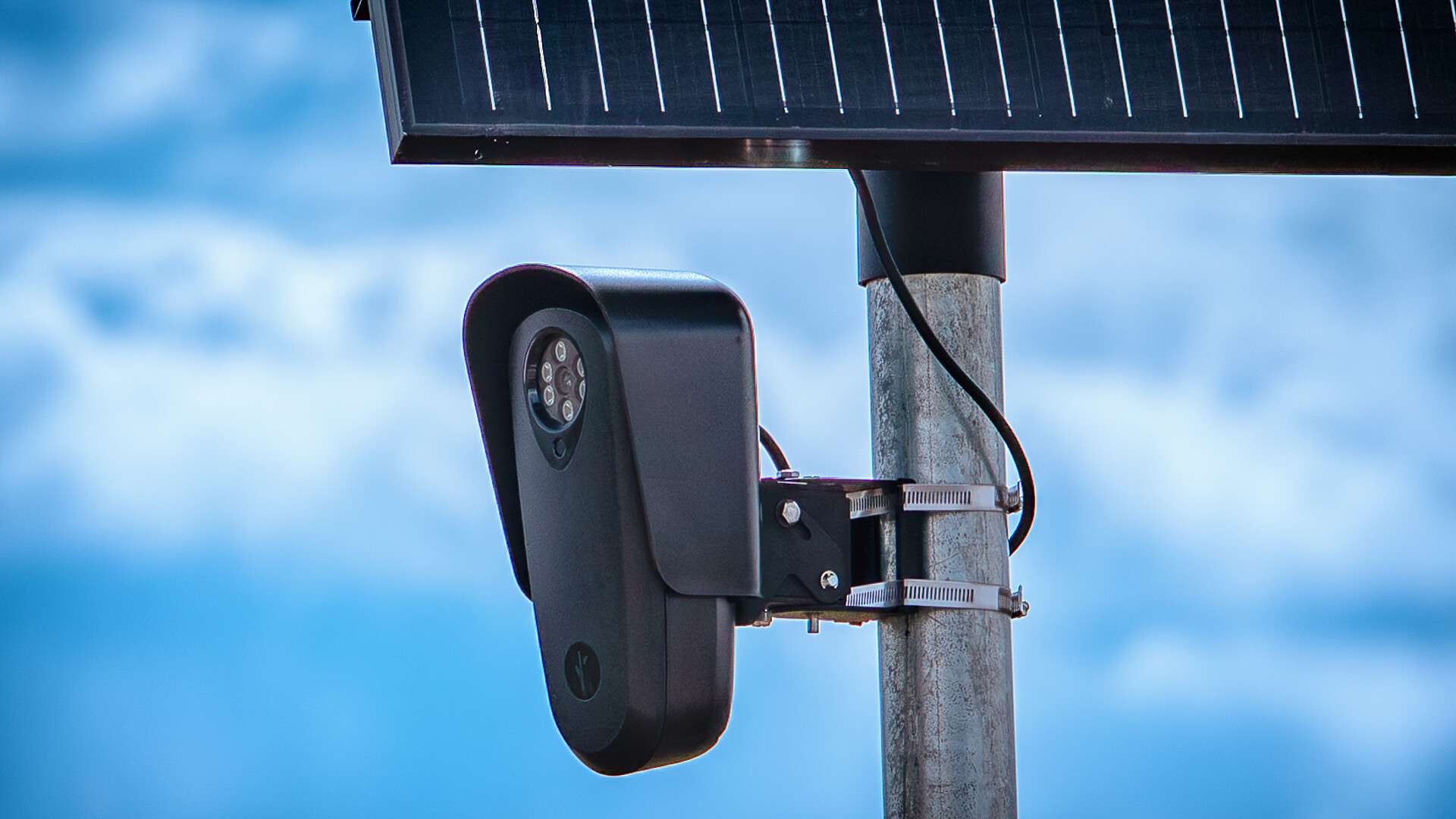
Flock’s product page for Enhanced LPR lists Convoy Search for vehicles traveling with suspects, and Multi-Geo Search, which takes the times and places of several incidents and returns vehicles that appear at more than one. The company also says the software can expose “interstate travel patterns that standard LPRs can’t see.” Flock pitches the tools for interdiction, organized retail crime and trafficking cases. The page lists no retention or access limits for them.
On Oct. 26 the ACLU published a report by Jay Stanley collecting stops it says were driven by travel patterns. One involves Grace Knowles, a northern Virginia woman stopped in September 2025 on a road trip toward Florida. The officer cited a lane violation. By her recollection, as the ACLU reports it, he told her he was with the FBI and that her plate scans showed suspicious travel patterns, and he showed her a map of her sightings. The ACLU is an advocacy group and the wording is Knowles’s account. Even so, the two stops share a shape: a database result first, a traffic-code reason second.
A wrong read costs more. The Institute for Justice, which litigates plate-reader cases, describes a February 2026 stop in Sherwood, Arkansas, where a Flock camera misread a digit and officers held an innocent couple at gunpoint with their six-week-old baby in the car. IJ says its list of such cases is likely an undercount.
Where Judge Hill drew the line
Her holding is tied to what this query returned. Alaniz had access to at least 30 days of location data in many states, and the order describes the results as more than 50 sightings across multiple states. Hill leaned on Chatrie v. United States, the Supreme Court’s June 29 decision in which a five-justice majority led by Justice Kagan held that obtaining a person’s Google location history was a Fourth Amendment search. Chatrie concerned phone data, not plate cameras. Hill carried its reasoning over, calling the Flock system “a type of indiscriminate mass surveillance” and holding that the search lacked probable cause and a warrant.
She acknowledged the gap. No Tenth Circuit or Supreme Court decision squarely resolves whether plate-reader use is a search, and she declined to follow several Oklahoma federal decisions that found no search. One district judge’s order binds no other court, and federal judges are already splitting on how much plate data turns a lookup into a search.
The stop did not survive intact either. Hill held that once the deputy returned Kyle’s license and registration, the stop was over and questioning had to cease unless he had reasonable suspicion. She found he did not, and suppressed what the extension produced as well.
The retention setting decides how much history exists
How many days of a car’s movements a deputy can search is set before any stop happens, by statute or by contract. Virginia’s Code § 2.2-5517 says system data “shall be purged after 21 days of the date of its capture” and limits who agencies may share it with. In Norfolk, where the Institute for Justice is suing over the city’s Flock network, officers have 30 days to download data. Flock’s terms say the customer owns the data and that the retention period is set in the customer’s order form. The company has said it will default to seven days, but existing customers keep their current periods.
Pennsylvania’s House has gone further. HB 2771 would delete captured data after 72 hours, and its text requires a probable-cause warrant before police review data over multiple days to reconstruct a vehicle’s movements. As The Auto Wire reported, the bill passed the House on Oct. 19 and has sat in Senate Transportation since Oct. 26.
The audit trail has a weakness the Kyle record shows. Alaniz entered “traffic violation” as a reason for a search he ran when, according to the opinion, all he knew was that the plate was from California. Flock says it will require case codes for all law-enforcement searches by the end of the year. A case code can be matched to an actual case file, which a typed reason cannot.
My reading of the record is that three things limit this practice today, and the deputy’s motive is not one of them: how many days of history exist, whether a judge counts the lookup as a search, and whether a stop is stretched past its purpose. In Kyle, the stop was lawful when it began, and the court still suppressed the evidence it produced.
What happens to the ruling next
I could not confirm from the public record whether prosecutors have appealed Hill’s order. An appeal would put the question before the Tenth Circuit, which by Hill’s own account has not yet answered it. Until then, the answer in Oklahoma depends on which federal judge draws the case, since Hill declined to follow others in her own state.
Should an officer need a warrant before searching a month of a car’s plate sightings to decide whether to follow it, or is a plate on a public road open to anyone with the login?