
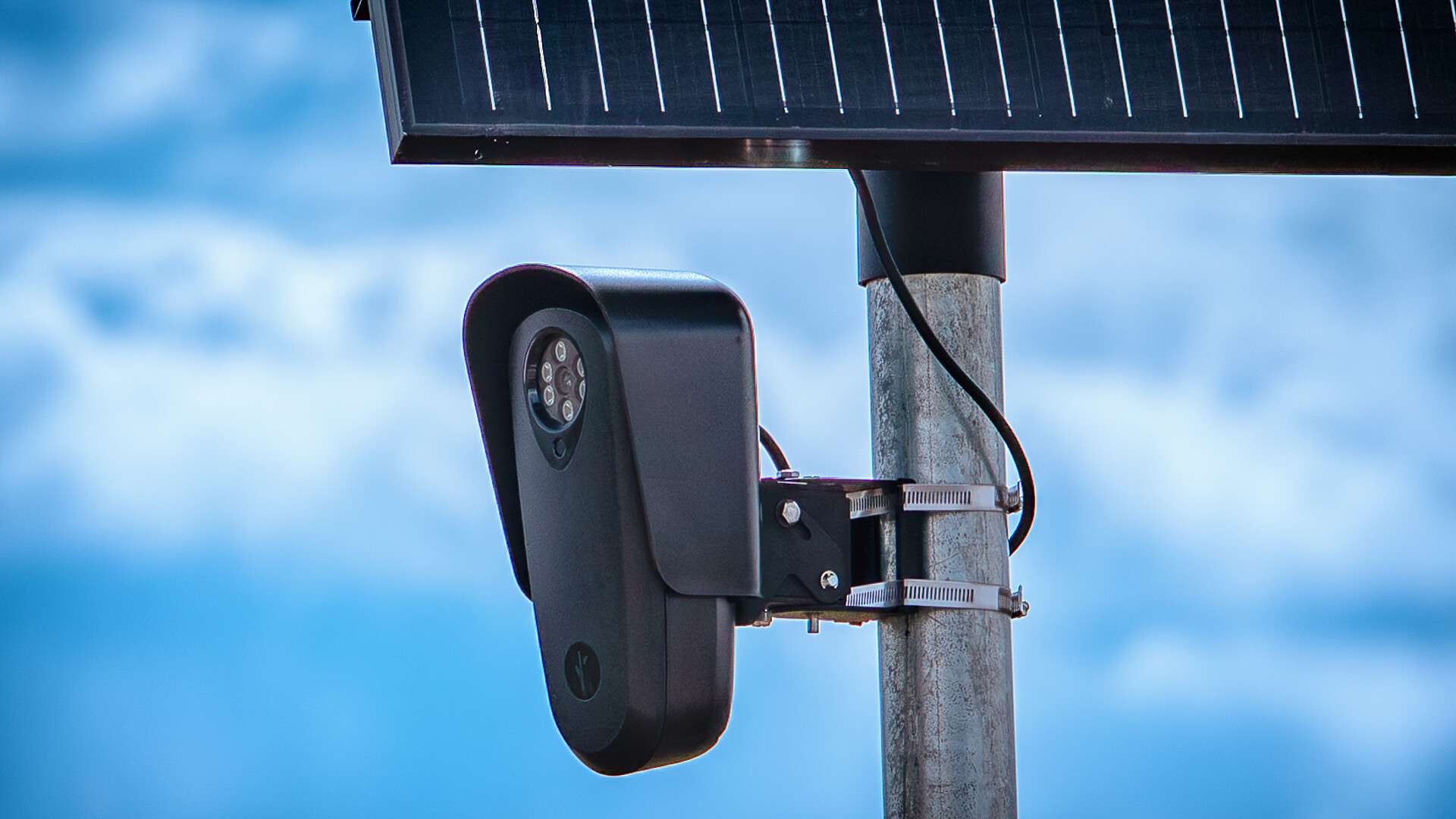
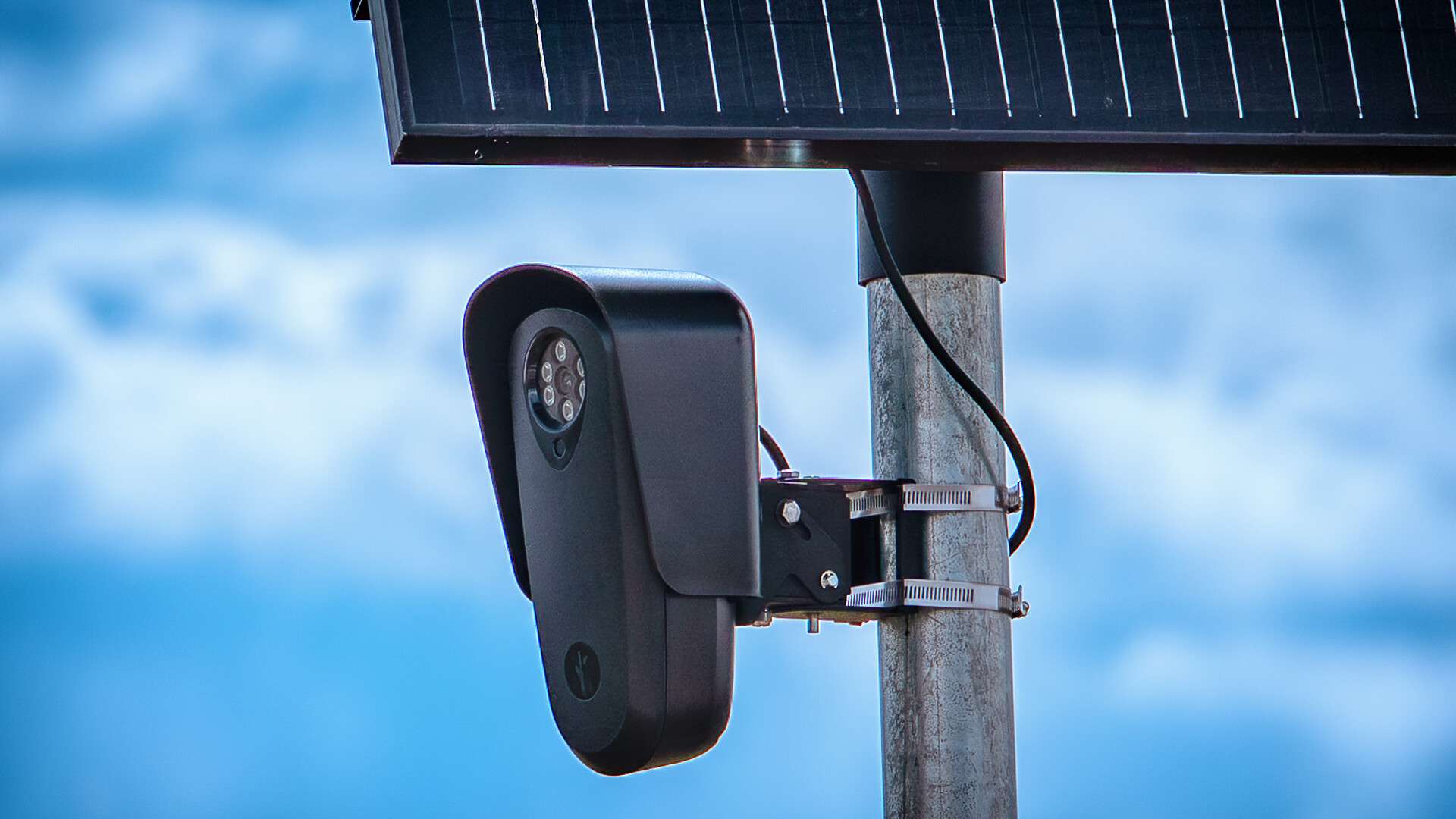
The Pennsylvania House passed House Bill 2771 on Oct. 19 by a vote of 190-13, sending the Senate a bill that would make every automated license plate reader in the state, government or private, delete what it captures after 72 hours. The prime sponsor is Rep. Jennifer O’Mara, a Democrat from the 165th District. The Senate received the bill on Oct. 26 and referred it to its Transportation Committee, according to the General Assembly’s action history.
That 72-hour figure is the shortest clock in any plate-reader proposal The Auto Wire has covered. Flock Safety said on Aug. 13 that it was cutting its default retention from 30 days to seven, but existing customers keep the periods they have now. Sen. Josh Hawley’s Stop Flock Abuse Act, announced Sept. 30, would set 10 days. Rhode Island’s model policy for police allows 30.
What the bill allows and bans
HB 2771 adds a Chapter 70 to Title 75, Pennsylvania’s vehicle code, and opens with a flat prohibition: it is unlawful for a government or private entity to operate a plate reader at all, except as the chapter allows. The allowed uses are comparing plates against a hot list tied to a homicide or felony warrant, a missing person, a stolen vehicle or a homicide or felony investigation; identifying unregistered or uninsured vehicles and vehicles that violate inspection requirements; parking enforcement; controlling access to secured areas; and required training. Using a reader for a personal, political or commercial purpose is barred.
Speeding and other moving violations are not on that list. Red-light, school-bus stop-arm, automated speed and toll systems are carved out of the chapter entirely, so they keep running under their own rules. Manual searches have to be logged with the reason, the user and the related case.
The 72-hour clock and its exceptions
Section 7004 says captured data “shall be deleted 72 hours after the data is captured” unless an exception applies. The exceptions cover evidence in a homicide or felony case, missing-person and stolen-vehicle recoveries, parking-fee collection, registration, insurance and inspection enforcement, preservation requests, disclosure orders, and warrants or other court orders. Preserved data has to be deleted within 72 hours after the case is complete, deletion has to reach backups and disaster-recovery copies, and every agency must certify the destruction to the State Police each year by Dec. 15.
My read is that the clock mostly governs scans of cars nobody was looking for. A scan connected to a felony investigation or an insurance check can be held, so the fight in the Senate will be over how wide those exceptions run. The bill also requires a probable-cause warrant before law enforcement conducts a comprehensive or sustained review meant to track one person’s or one vehicle’s movements, or to reconstruct them over multiple days. In Virginia, the ACLU says an officer pulled over a driver for the left lane and then showed her a map of her plate scans. A map of one plate’s travels is the kind of review the warrant provision describes.
No frontal photos, no look inside the car
The bill bars a frontal image of a vehicle unless it is incidental to a photo of the rear of another vehicle. It also says a system may not identify, or be configured to identify, the driver, passengers, interior contents or any individual, and it prohibits facial recognition. Users of the hot-list and vehicle-violation functions must take a course approved by the Pennsylvania State Police and the Municipal Police Officers’ Education and Training Commission, and existing users get six months to finish it.
Government entities would own the data. A vendor could not claim ownership or license rights to it, could not keep permanent or continuous remote access to a system, and would have to log every access. A vendor also could not give plate data to a “foreign adversary,” and it would owe an agency 60 days’ written notice before a deal that would hand a foreign adversary control of the company, after which the agency could terminate the contract without penalty.
Private cameras and a $1,000 remedy
Because the bill covers private entities, it reaches past limits that apply only to police. Tennessee’s 90-day plate-data limit, which The Auto Wire covered in the Opry Mills repo-company story, covers only government. Pennsylvania’s bill would still let a private operator run a reader for parking enforcement or to control access to a secured area. Repossession is not among the allowed uses, which would leave a repo company’s use to be tested under the commercial-purpose ban.
Enforcement has two tracks. A knowing or intentional violation of the general prohibition is a misdemeanor of the second degree, and breaking the audit, training, ownership and related provisions is a misdemeanor of the third degree. The Attorney General can sue on the Commonwealth’s behalf, and an injured person can sue for actual damages, including mental pain and suffering, or $1,000 in liquidated damages, plus attorney fees and costs, “whichever is less.” Read literally, that wording could cap a plaintiff’s damages at $1,000. Evidence derived from data collected or shared in violation of the chapter is inadmissible in most proceedings, with exceptions for exculpatory evidence and penalty proceedings.
Where it stands in the Senate
The Judiciary Committee reported the bill 14-12 on Oct. 5. After floor amendments on Oct. 7 and a 37-0 Appropriations vote on Oct. 19, the House passed it 190-13 the same day.
City & State Pennsylvania reported that Rep. Timothy Bonner, a Republican and one of the 13 no votes, said the bill goes too far by barring use in misdemeanor and juvenile cases involving serious crimes. Rep. Brenda Pugh, a Republican, said the bill needs more work. Gov. Josh Shapiro told The Center Square in August that Flock cameras are not a tool he supports, according to the same report.
Nothing changes for a Pennsylvania driver until the Senate acts. If the bill becomes law, the chapter takes effect six months after enactment and does not apply to data captured before then unless otherwise specified. Municipalities could adopt stricter ordinances, and looser ones would be preempted. The legislative record I checked shows the bill in Senate Transportation since Oct. 26, with no further action listed.
Flock says seven days, Hawley says 10, the Pennsylvania House says three. The Senate fight will be over the exceptions, not the clock. If you were drafting the Senate version, which exception would you cut first?