
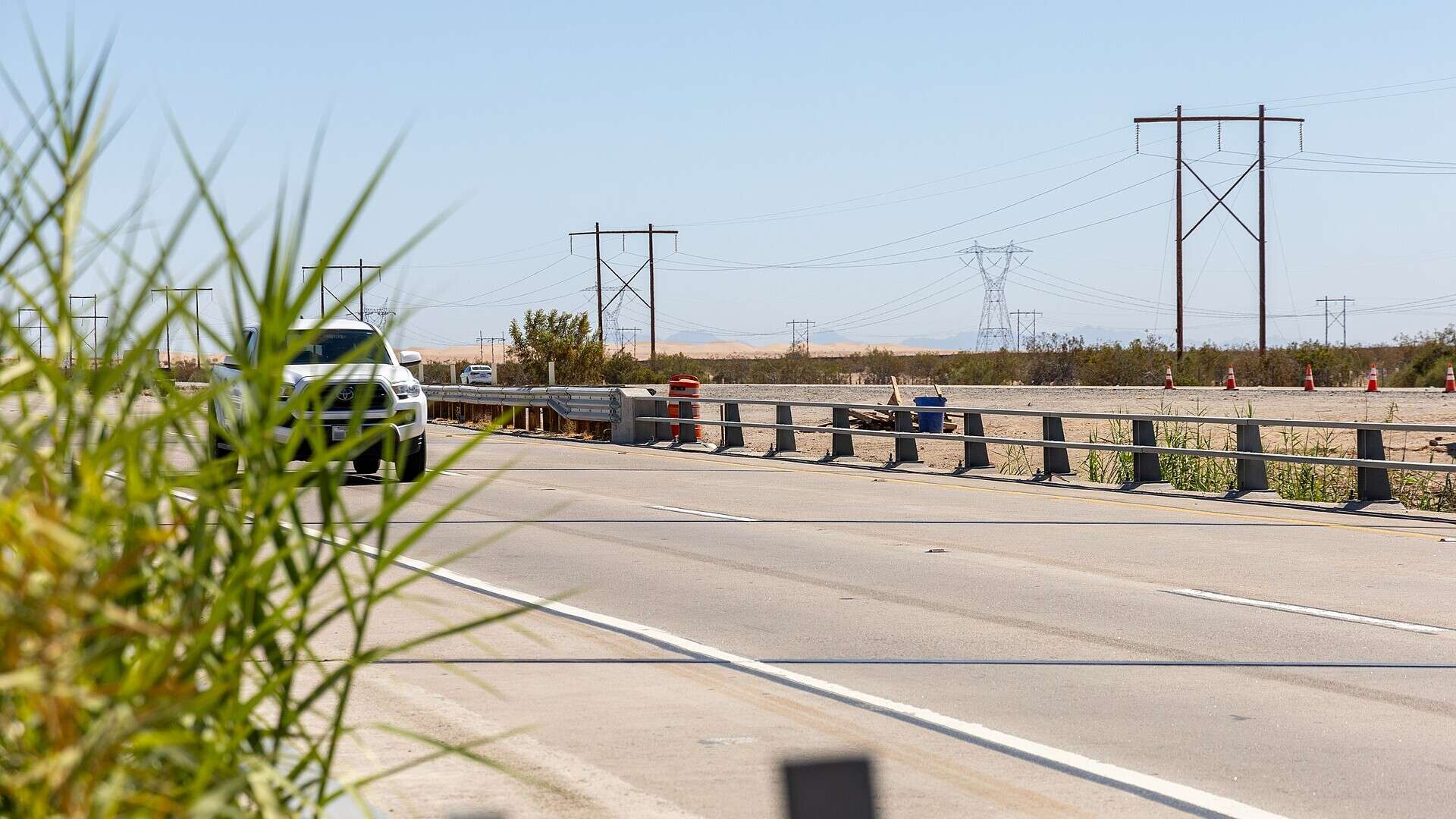
A woman in her 20s from northern Virginia was driving from New Orleans toward Florida in September 2025 when an officer pulled her over for staying in the left lane too long, according to an account the ACLU published Oct. 26. The ACLU’s Jay Stanley wrote that the officer asked her for proof she had been in New Orleans, said he was with the FBI, and told her that a scan of her plate showed “suspicious travel patterns.” She told the ACLU she was driving at a normal speed.
What the ACLU says happened on the shoulder
By the ACLU’s telling, she was on a road trip through Oregon, Texas and Louisiana. The officer asked where she was coming from and where she was headed, and she handed him a pamphlet from a whiskey museum to show she had been in New Orleans. He said he had no plate hits in New Orleans and suspected she was lying, then invited her into his car and showed her software with a map of the United States. Clicking a point on the map brought up a photo of her license plate. When she asked how he could see her plate, she recalled him saying, “Well they’re just everywhere.”
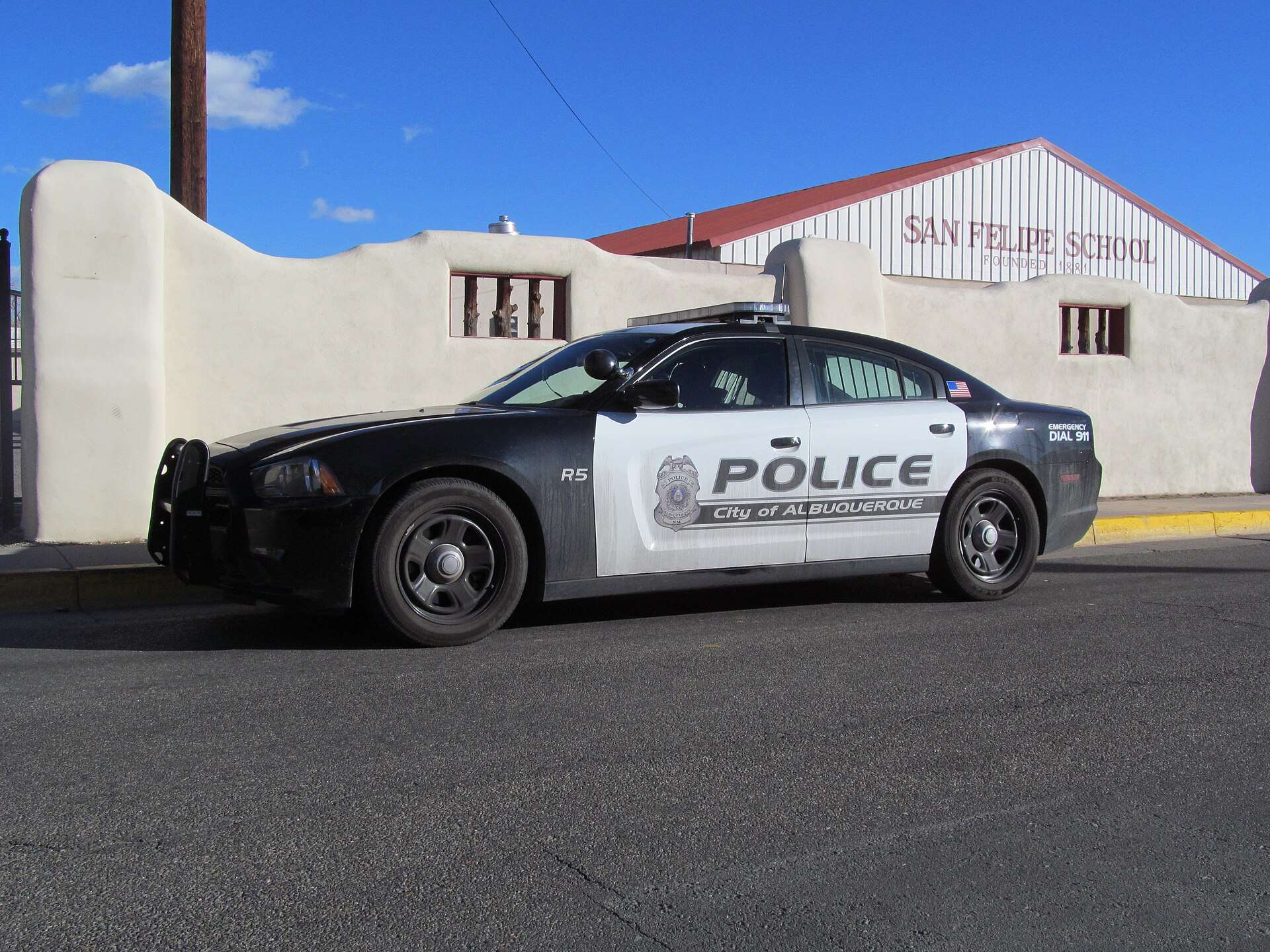
The ACLU post does not name the officer, his agency, the state or road where the stop happened, or the software on his screen. It does not say whether she was ticketed or searched, and nothing in it establishes that he was an FBI agent. It links background on Flock Safety’s AI features but does not say Flock’s product was used, or that an automated alert, rather than the officer looking up her plate himself, prompted the stop. Everything above is her account as the ACLU published it; The Auto Wire has not independently confirmed it.
Why a lane violation is enough to start the conversation
Under Whren v. United States, a 1996 Supreme Court decision, a traffic stop is lawful if the officer has probable cause that the driver committed any traffic violation, whatever the officer’s real reason for pulling the car over. Left-lane statutes in many states tell drivers to move right unless they are passing, and how long is too long is a call the officer makes in the moment. A hunch built from plate data never has to be stated, tested or written down, because the lane gives the stop its legal footing.
Rodriguez v. United States, decided in 2015, sets the other boundary. An officer may not stretch a stop past the time needed to deal with the infraction, meaning the license, registration and insurance checks and the ticket itself, in order to pursue something unrelated unless he has reasonable suspicion. The Court applied that rule to a dog sniff done after the ticket was finished. Whether a few questions about a road trip add enough time to extend a stop is a line lower courts have had to draw case by case, so the answer can change with the jurisdiction.
Where a travel pattern fits is unsettled. A road trip is not a traffic violation, and the ACLU’s argument is that a pattern with no known investigation attached is not a sound reason to hold anyone. No court has been asked to rule on this stop.
The software behind “suspicious travel patterns”
The ACLU says Flock Safety touted AI in July 2025 that could alert police to drivers with suspicious movement patterns and track which vehicles are often seen together. It adds that Wired later obtained files describing a newer system that accepts open-ended queries across plate data, arrest records, case files and data-broker databases. Flock’s response is not included in the ACLU post.
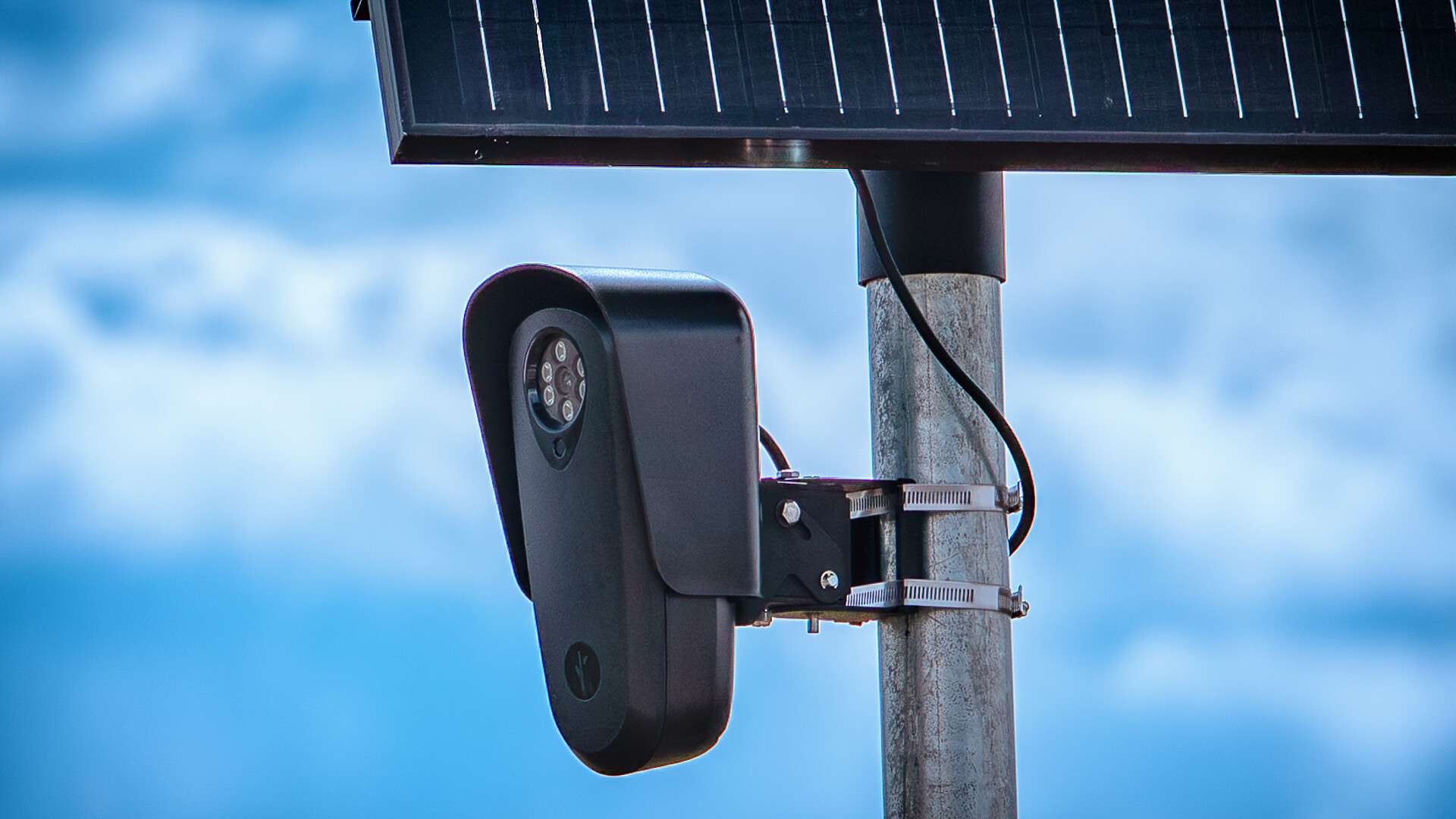
Federal agencies have described similar tools. The Associated Press reported in November 2025, citing internal documents, that Border Patrol builds a “pattern of life” for scanned vehicles, hid some cameras inside construction barrels, and in some cases alerted local police to stop drivers based only on algorithmic analysis. U.S. Customs and Border Protection told the AP it uses plate readers under a “multi-layered policy framework” and does not detail operational uses for national security reasons.
Other stops the ACLU links to travel patterns
The ACLU sets the Virginia driver’s account beside several others. In Texas, a Bexar County deputy held Alek Schott on Interstate 35 for 76 minutes in March 2022, and a federal jury this fall found the county liable and awarded him $76, a dollar a minute. The ACLU says dashcam footage contradicted the officer’s claim that Schott drifted over a lane line, and that a federal fusion center had tipped off local police about his round trip between Houston and Carrizo Springs.
In Wisconsin, the ACLU says, police noted that Michigan was “a known source State for Marijuana as it is legal there” while targeting a man who drove between the two states in April 2025. In California, it says, a grandmother crossing the border was questioned by CBP officers about how much time she spent at casinos, and was told, “It just seems suspicious,” according to a March 2026 report by The Markup. Neither account in the ACLU post includes an outcome.
What happens next
Nothing in the ACLU post points to a complaint, a lawsuit or a court date for the Virginia driver, so the account is the whole record for now. The rules for the data underneath are being written elsewhere: churches have asked the Wisconsin Supreme Court to require a warrant before police search plate-reader data in Milwaukee, Green Bay, Racine and Kenosha, and Rhode Island’s model policy allows 30 days of plate data to be kept. Under Rodriguez, the measuring stick at any stop is the clock: the stop lasts as long as the lane violation takes to resolve unless the officer can name a reason to hold the car longer.
Say software flags your route as odd and all you’ve done is linger in the left lane. Should the officer have to say that’s why he pulled you over?