
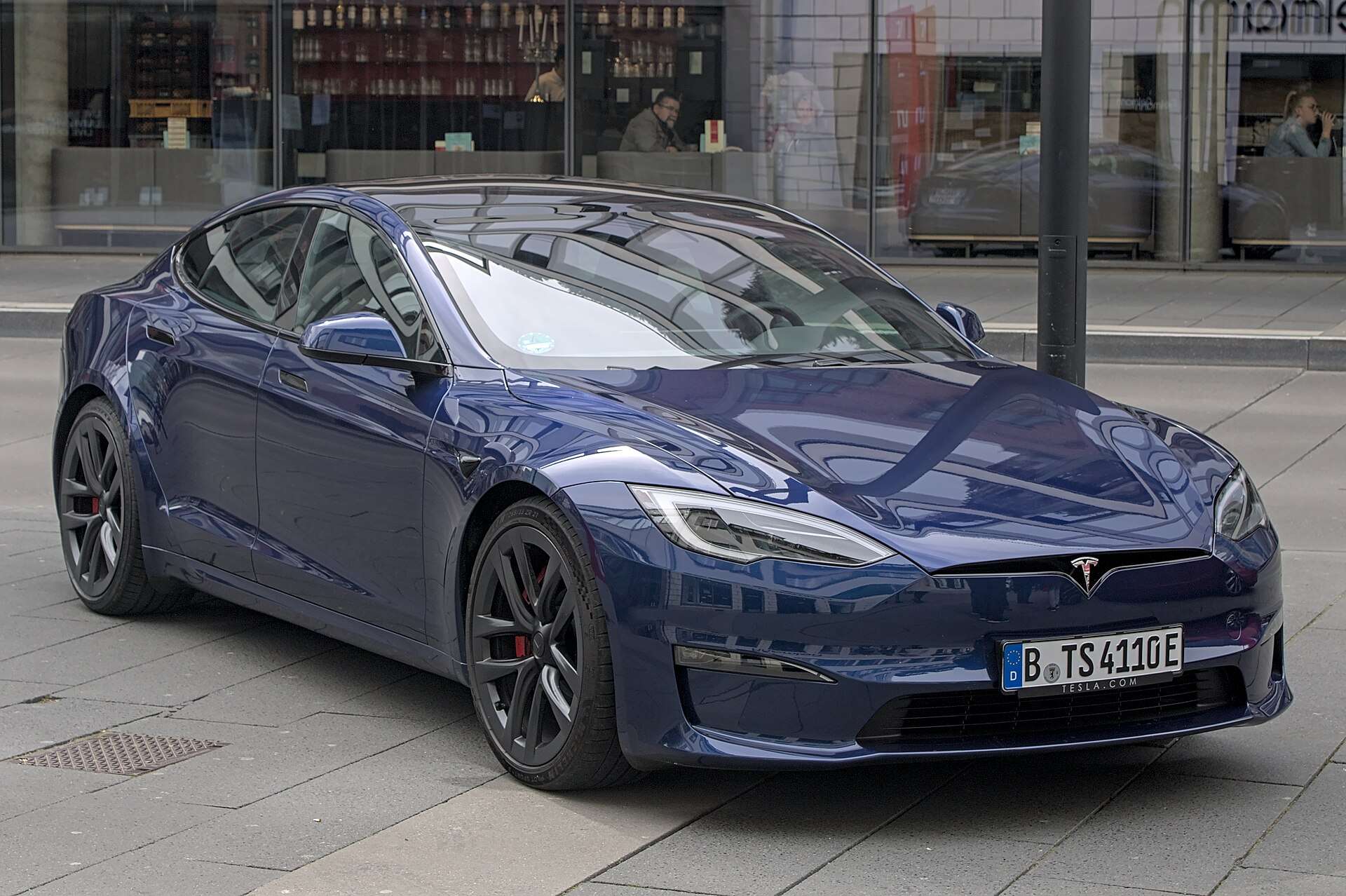
A federal jury in Florida decided on August 1, 2025, that the driver of a Tesla Model S running Autopilot was 67 percent at fault for a fatal 2019 crash and that Tesla was 33 percent at fault, according to Tesla’s latest quarterly filing. Tesla still ended up with a judgment of $242,570,000. The distance between those numbers explains what a car accident lawyer does after a crash involving driver assistance or self-driving: assign percentages, then look for anyone besides the driver who can be made to pay.
The case is Benavides v. Tesla, in the U.S. District Court for the Southern District of Florida. The crash happened April 25, 2019, in Key Largo, when George McGee’s 2019 Model S, operating with Autopilot, hit a parked Chevrolet Tahoe, according to the court’s December 18, 2025 order. Tesla’s filing says the jury set compensatory damages at $129 million and added $200 million in punitive damages. Tesla has been settling other fatal Autopilot suits right before trial.
How a 33 percent share became a $242.57 million judgment
The arithmetic checks out. Thirty-three percent of $129 million is $42.57 million. Add the $200 million in punitive damages and the total is $242.57 million, the same figure as the final judgment entered August 3, 2025. Punitive damages make up about 82 percent of it, and the numbers only add up if the driver’s 67 percent did not reduce that award.
Florida’s comparative-fault statute, section 768.81, says that in a negligence action the court enters judgment against each liable party according to that party’s percentage of fault. The statute’s definition of a negligence action includes products liability and strict liability claims, so a defect case against a carmaker is divided the same way as a two-car collision. The verdict split fault between only two parties, the driver and Tesla, so nothing was assigned to the plaintiffs themselves.
Subsection 6 adds a rule that matters for anyone in the driver’s seat: a party found more than 50 percent at fault for their own harm cannot recover damages, except in medical negligence cases. My reading is that a driver who sues the maker of the system that was steering faces a harder problem than the Benavides plaintiffs did, because a jury that puts 51 percent of the blame on that driver can end the case. Florida’s rules are not every state’s rules, and this is reporting, not legal advice.
Tesla says it believes the damages are not justified and has recorded an immaterial accrual. It asked for judgment as a matter of law, or a new trial or reduced damages, on September 15, 2025, and the court denied the motion February 19, 2026. Tesla’s opening brief at the Eleventh Circuit was filed July 2, 2026, the plaintiffs responded September 16, and Tesla’s reply was due November 6.
Where the driver’s duty meets the carmaker’s design
NHTSA classes systems like Autopilot as Level 2: the car handles steering and speed, and the driver must stay engaged and is responsible for driving. Tesla’s Model Y owner’s manual says the same thing, that the driver remains responsible for controlling the car, and it requires hands on the wheel at all times when Autosteer is in use. That is the defense’s case, and it is a strong one.
The plaintiffs’ case comes from the same system’s other paperwork. NHTSA closed its Autopilot engineering analysis, EA22-002, on April 25, 2024. Investigators had looked at 956 crashes, 467 of which fit the patterns they were studying, including at least 13 with fatalities. The agency found that Autopilot’s controls did not do enough to keep drivers attentive and that a gap between what drivers expected and what the system could do led to foreseeable misuse. Tesla had filed recall 23V-838 on December 12, 2023, covering every model with any version of Autopilot. Foreseeable misuse is a phrase lawyers can work with, because a design is judged against how people predictably use a product and not only against how the manual says to use it.
Judge Beth Bloom’s June 30, 2025 pretrial order shows how that paper reaches a jury. She admitted Elon Musk’s public statements and Tesla’s promotional videos as relevant to whether an ordinary consumer would expect Autopilot to avoid the collision. She barred other post-crash Autopilot changes from being used to show Tesla was culpable, but allowed the December 2023 recall as evidence that a fix was feasible.
The name is evidence too. On December 16, 2025, California’s DMV adopted an administrative law judge’s finding that Tesla’s use of “Autopilot” for its driver-assistance features was misleading under state law. On February 17, 2026, the DMV announced that Tesla had stopped using the term in California marketing, which avoided a 30-day suspension of its dealer and manufacturer licenses. Tesla had already changed “Full Self-Driving Capability” to “Full Self-Driving (Supervised),” and The Auto Wire has reported that it also retired the Full Self-Driving name in Europe.
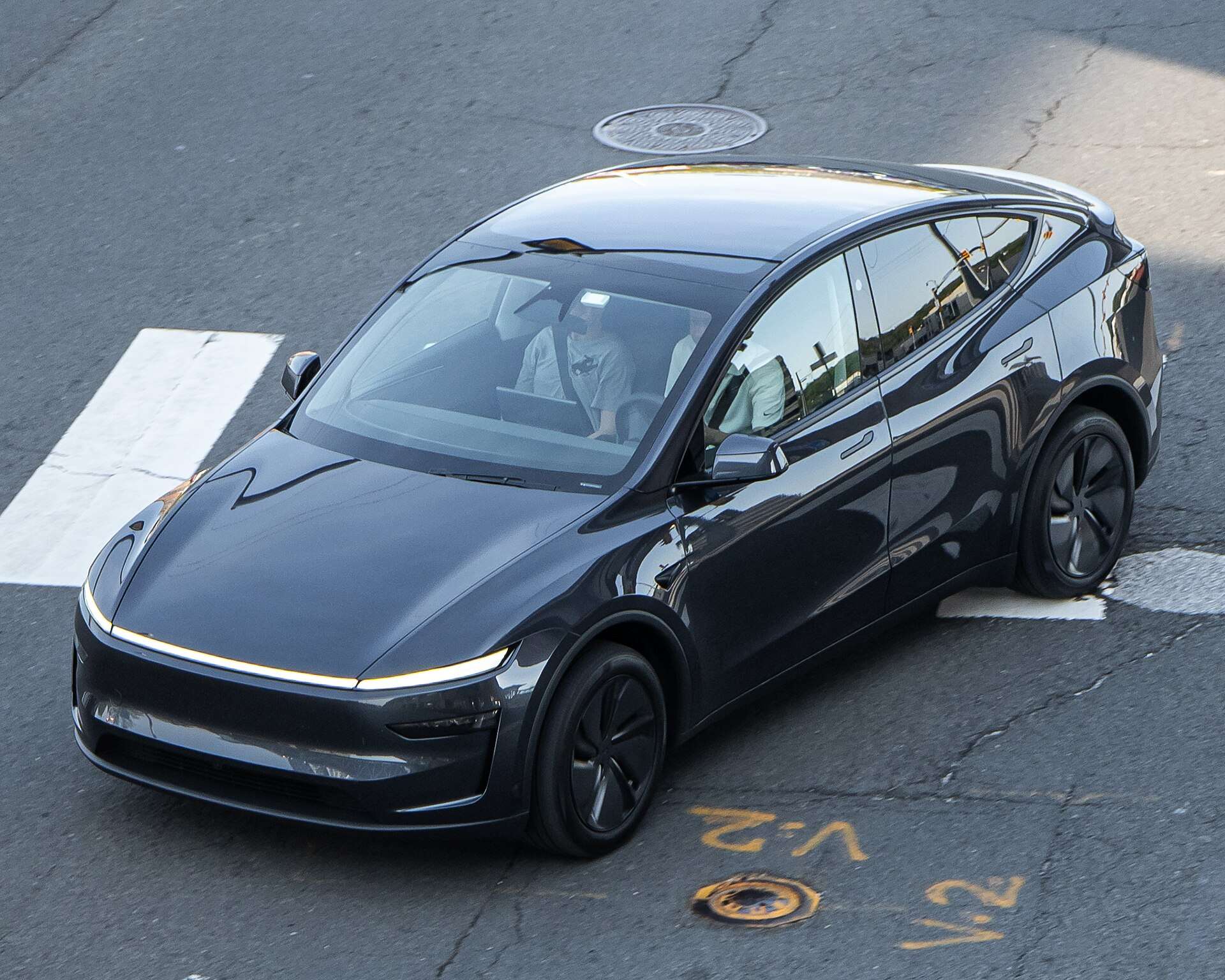
The same tension runs through NHTSA’s open FSD probe. Preliminary evaluation PE25012, opened October 7, 2025, looks at red-light running and wrong-way driving in those 2,882,566 vehicles and lists 58 incidents, 14 crashes or fires, and 23 injuries, with no reported deaths. NHTSA said it will examine whether certain driving inputs within the control authority of FSD “forestall the driver’s supervision,” and whether the driver had a prior warning or adequate time to respond. If the system moves first and leaves no time to react, the driver’s duty to supervise stops looking like a complete answer, and I would expect lawyers to frame those crashes as design cases.
With no one in the driver’s seat, the defendant changes
NHTSA’s Standing General Order treats driverless systems more strictly than driver-assist ones. Automated driving systems, Levels 3 through 5, must be reported for lower-severity crashes, including tow-aways, while Level 2 reports are limited to fatalities, hospital transports, struck vulnerable road users, and airbag deployments. From June through December 2025, NHTSA received reports of 517 alleged ADS crashes and 787 alleged Level 2 crashes, according to its July 31, 2026 Federal Register notice. The agency cautions that the data are not normalized for fleet size or miles driven, so the two counts cannot be compared like crash rates.
When the system is the driver, there is no driver-fault half of the ledger to argue about. NHTSA opened defect petition DP26010 on October 9, 2026, covering about 1,000 model-year 2026 Tesla Robotaxis, the Model Y and Cybercab, with the automated driving system engaged, over allegations that they exceed posted speed limits in active school zones. The petition was received September 23, and NHTSA’s document does not name who filed it. Traffic enforcement is moving the same way: existing California law, AB 1777 from 2024, lets peace officers issue a notice of autonomous vehicle noncompliance to the manufacturer, according to an Assembly committee analysis dated July 1, 2026.
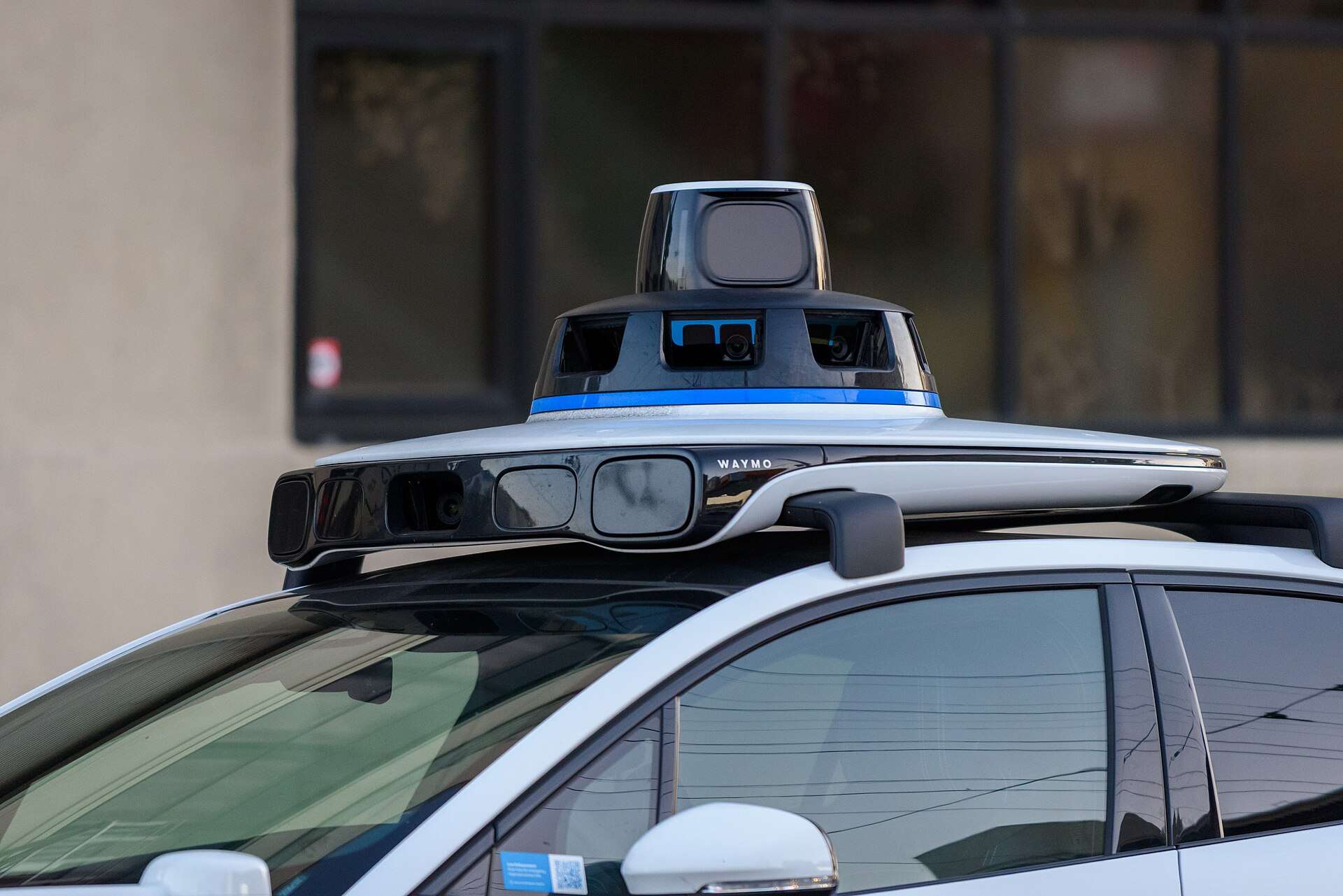
Level 3 is the one place a maker has told drivers they may look away. Under Mercedes-Benz’s U.S. DRIVE PILOT terms, a user who receives a takeover request must take over, and the emergency stop procedure begins if they do not respond in time. The terms limit the company’s liability for misuse and violations but say those limits do not apply to death or personal injury. Mercedes-Benz’s own legal framework page says liability depends on the case: a driver who fails to take due care is liable, and the manufacturer may be liable for damage caused by a product defect. Neither document says how fault would be divided during a Level 3 drive.
What the public crash data can and cannot prove
Anyone who goes to the Standing General Order files looking for fault will not find it. The public files withhold the last six digits of each VIN and show dates only as month and year, and NHTSA says some Level 2 crashes may go unreported. A Level 2 tow-away with no injury and no airbag deployment does not have to be reported at all under the third amended order. What the order does reveal is the question every claim starts with: it asks whether the system was engaged at any time in the 30 seconds before the crash, and an attempt to engage counts. The Auto Wire has covered that reporting gap for owners.
What to watch next
The Eleventh Circuit will decide whether an automaker that a jury put 33 percent at fault keeps a $242.57 million judgment. On October 16, 2026, the Ninth Circuit reversed and vacated certification of a California class in the consumer case over Tesla’s driver-assistance claims, according to Tesla’s filing, and The Auto Wire explained why that class action stalled. NHTSA says it plans to propose a rule to codify the crash-reporting requirements under RIN 2127-AM63, and states are writing their own rules, such as a New Jersey robotaxi bill that demands three sensor types.
If your car’s driver-assistance system makes the mistake while you are watching the road, who should pay: you, the automaker, or both, and should the answer change if the system was called Autopilot?