
Tesla’s website told shoppers that every car it built had the hardware needed for full self-driving capability. On October 16, a federal appeals court said that a promise on a web page is only as useful to a class action as the proof that everyone saw the page.
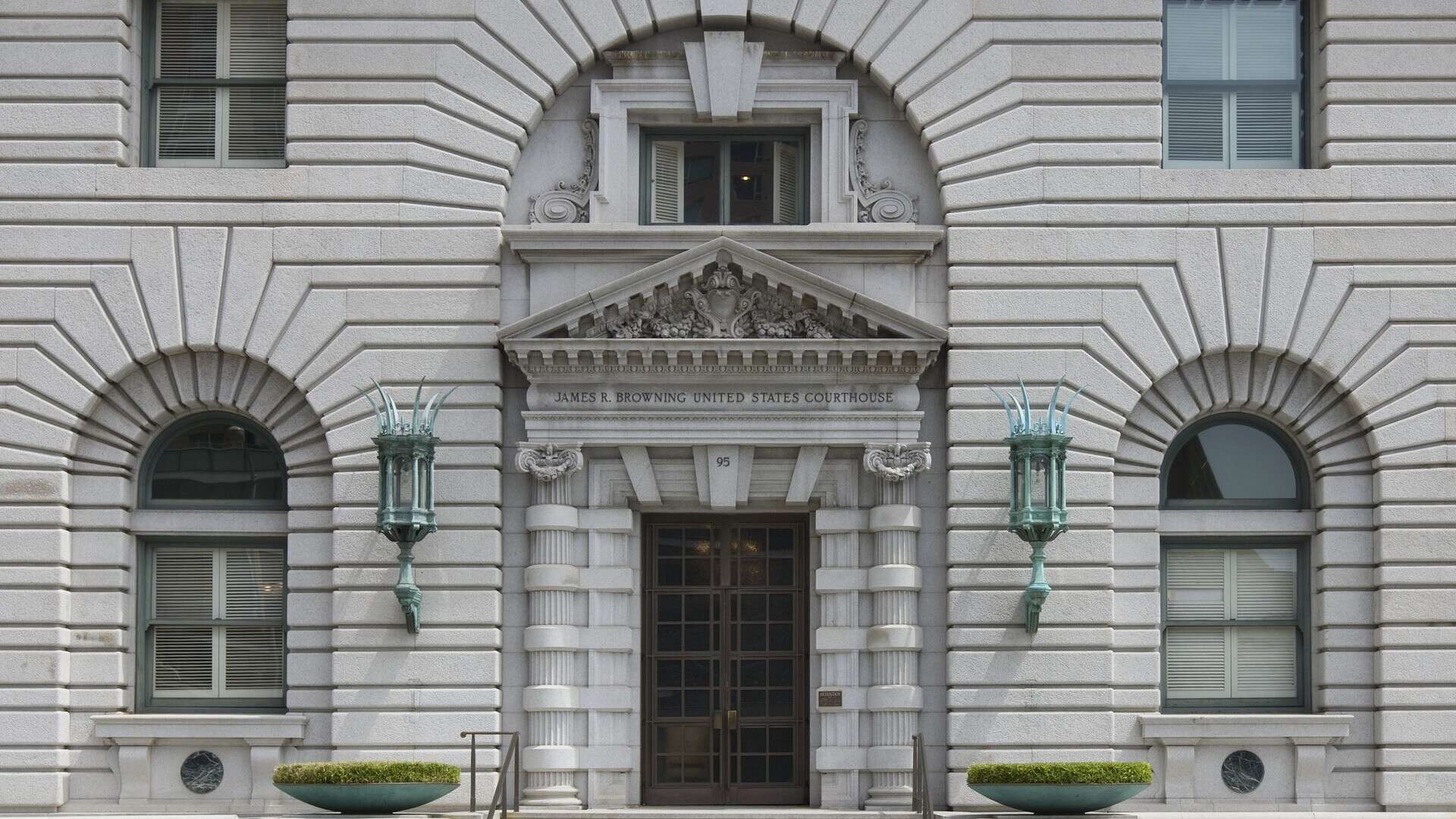
A three-judge Ninth Circuit panel (Judges Gould, Bybee and Bress) vacated the order that had let California Full Self-Driving buyers sue Tesla as a group in LoSavio v. Tesla, No. 25-7927. The word that matters is “vacated.” The court sent the case back to the district court. It did not rule that Tesla’s claim was true, and it did not rule that buyers lost. The memorandum is also marked not for publication, so it is not binding precedent.
The page nobody was required to visit
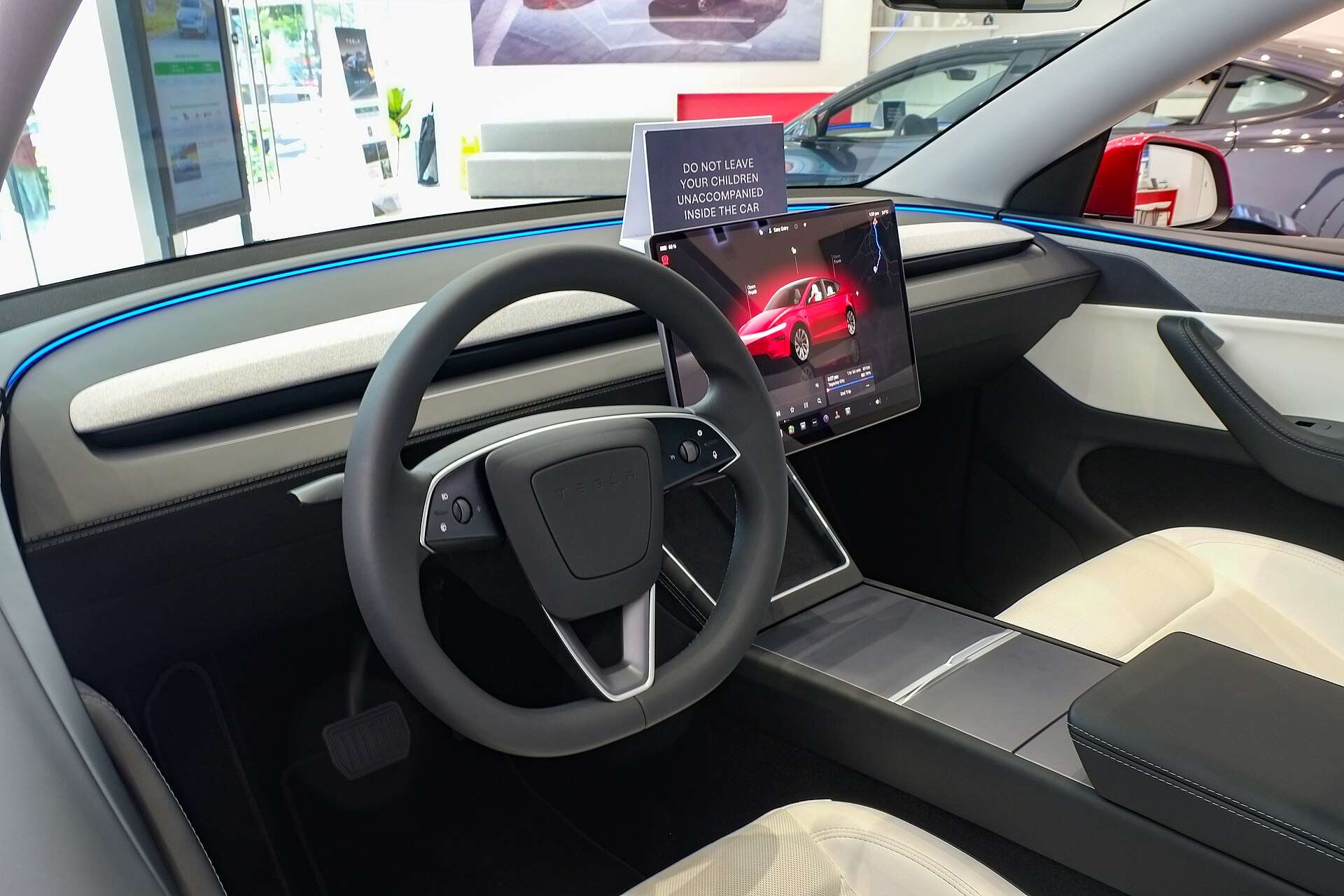
The claim at the center of the case is what the court calls the Hardware Statement, which appeared on Tesla’s Autopilot webpage. According to the 2025 certification order from U.S. District Judge Rita Lin, the website version said every Tesla built in its factory had the hardware for full self-driving capability at a safety level substantially greater than a human driver’s.
Judge Lin certified two California classes of FSD purchasers and subscribers, one covering October 2016 to May 2017 and one covering May 2017 to July 2024. The second was limited to buyers who had opted out of Tesla’s arbitration agreement. Her reasoning leaned on how Tesla sells cars. Tesla has no dealers and no traditional mass advertising, she found, so the website does the work of a showroom. That made it “highly likely,” in the district court’s words, that FSD shoppers visited the Autopilot page.
The Ninth Circuit looked at the same showroom and saw a missing front door. Courts will presume everyone was exposed to a statement when it is printed on a product label or delivered in a long, pervasive ad campaign, because no buyer can avoid it. The panel said a webpage is different: nothing forced FSD buyers through the Autopilot page before they paid. It compared the situation to an earlier Target case in which shoppers had to click an optional tab to see the disputed information, and exposure could not be assumed there either.
Website traffic data did not rescue the class, according to the opinion, because it could not show that every class member saw the statement. Other Tesla statements that echoed the claim were not on the Autopilot page and were not label-like or sent to every prospective buyer, so the panel did not count them as a campaign broad enough to presume exposure.
The same page caused a second problem
There is a twist in the statute-of-limitations section. The Autopilot page is also where Tesla attributed FSD delays to regulatory hurdles. Judge Lin treated the question of whether that explanation kept buyers from discovering a problem as a common one that could be answered for everyone at once.
The panel disagreed. Whether an owner was lulled by that explanation depends on whether the owner saw that page, which brings back the same exposure problem. In the panel’s view, individual questions about what each buyer saw “pervade” the limitations analysis. The page that anchored the plaintiffs’ case turned out to be the thing that made each buyer’s story individual.
What the ruling leaves open
The court did not decide whether the plaintiff’s damages model works, because the exposure issue was enough to resolve the appeal. A separate class seeking an order against the claim going forward also fell, since the panel found it “rises and falls” with the damages classes. The decision addresses whether the case can proceed as a class. It says nothing on whether the statement was misleading.
Lead plaintiff Thomas LoSavio, according to the district court’s order, paid $3,000 for FSD on a new Model S in early 2017 and says he saw the hardware statement on Tesla’s website in October 2016. The statement came off the site in August 2024. On remand, the plaintiffs will have to try to show exposure by some other route, or the case narrows.
The marketing is under pressure elsewhere
This was a procedural loss for owners, not a marketing win for Tesla, and other regulators have already weighed in on the naming. California’s DMV decided in December 2025 that Tesla’s “Autopilot” and “Full Self-Driving” marketing was misleading under state law. The agency announced in February 2026 that Tesla had stopped using “Autopilot” in its California vehicle marketing. In Europe, Tesla has since retired the Full Self-Driving name, and the label still turns up in crash reports, like the I-80 patrol-car crash where the driver told CHP he was asleep.
What FSD buyers should take from it
If you paid for Full Self-Driving, the practical lesson is about paperwork. Keep your order confirmation, the date you bought, and any screenshots of the pages you read before buying. Under this ruling, what each buyer saw is the whole ballgame. This is general information, not legal advice, and the memorandum covers only the class-action question.
A company can print a promise on one page of a site where the entire sales process lives, and a court can decide that nobody was obligated to read it. Where should the line sit: does a buyer who never opened that page deserve the same day in court as one who did?
Sources: Ninth Circuit memorandum, LoSavio v. Tesla, No. 25-7927 (Oct. 16, 2026); N.D. Cal. order certifying classes, No. 3:22-cv-05240 (Aug. 18, 2025); California DMV.