
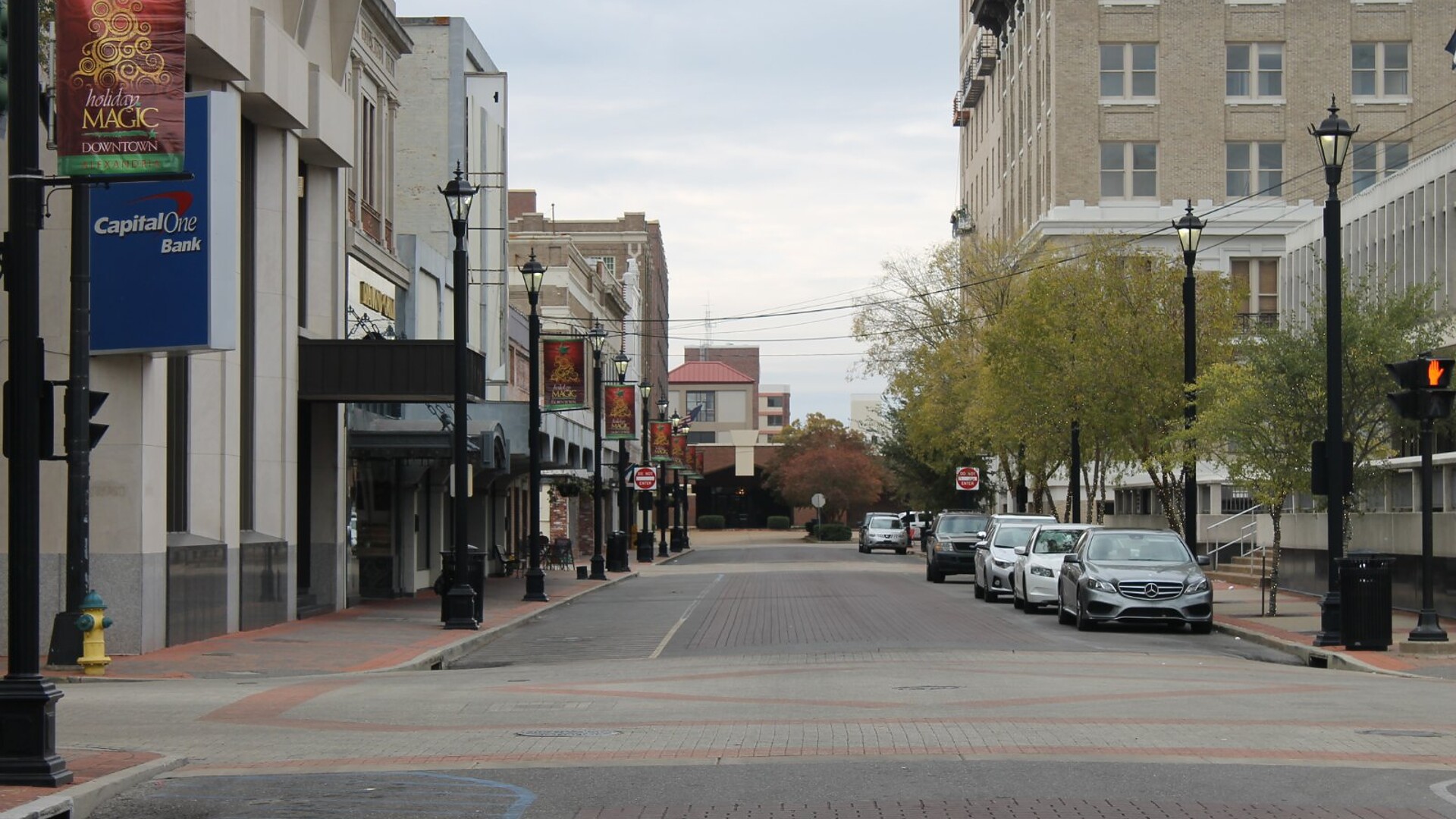
Mario Rosales had his left blinker on at a red light in Alexandria, Louisiana, around 5 p.m. one day in June 2022, and turned when the light went green. An Alexandria police car behind him pulled him over, and about 21 minutes later he was holding citations for failing to signal and for registration violations on his New Mexico-plated Mustang, all of which were later dismissed, according to a Sept. 22 Fifth Circuit opinion in Rosales v. Lewis.
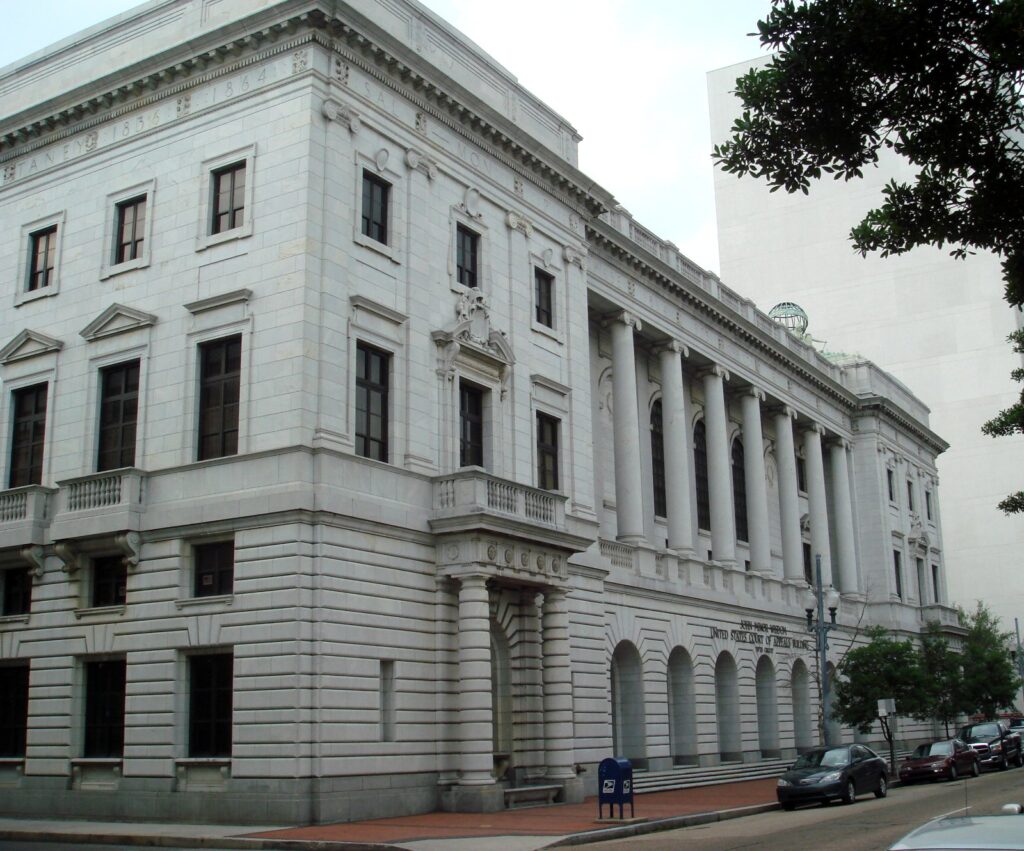
Those facts come from the lawsuit Rosales and his passenger, Gracie Lasyone, filed against Officers Jim Lewis and Samuel Terrell. Because the officers asked to end the case before discovery, the court had to accept the complaint’s account as true for now. None of it has been proven. The officers argued qualified immunity, and a three-judge panel refused to let them out of the claims about the stop and the searches that followed.
The 100-foot rule and a video that shows a blinker
Louisiana Revised Statutes 32:104 requires a driver turning right or left to signal continuously for at least the last 100 feet before the turn. That single distance is the hinge of the case. The panel said the video in the record shows the left signal blinking, but, in the court’s words, “It is not clear from the video when Rosales activated the signal.”
At this stage, that uncertainty belongs to the driver. Video can override a plaintiff’s story only when it clearly contradicts it, and this footage does not. Read in Rosales’s favor, the complaint supports an inference that he signaled properly and that the officers made up the violation. The court said it was clearly established that officers cannot stop a driver without reasonable suspicion and then invent a violation. The Institute for Justice, which represents the couple, said when it filed suit that Rosales had gone to nearby businesses and found footage showing his blinker on.
Why Whren didn’t cover the officers
The officers leaned on Whren v. United States, the 1996 Supreme Court decision that lets police use a real traffic violation as the legal reason for a stop even when they want to investigate something else. Whren needs an actual violation, though. If the blinker was on for the last 100 feet, there was nothing to hang the stop on, and the pretext question never arises. The Auto Wire covered a similar fight over the limits of a traffic stop in a Wisconsin dog-sniff case last week.
The frisk, the pocket search and the 21 minutes
According to the complaint, the officers ordered both occupants out after seeing ammunition in the open glove box, and Rosales told them a gun was in a bag in the back seat. Terrell frisked him. Lewis read him his Miranda rights and searched his pockets. The officers questioned the two separately about drugs, residency, arrest history and travel.
The panel let the frisk claim go forward. If the stop was unlawful, the frisk was too, and even on its own terms the court said the facts the officers cited, including agitation, baggy clothing and a gun he disclosed in a bag, did not show he was armed and dangerous. The pocket-search claim survived as well. Any consent Rosales gave was too close in time to the allegedly illegal detention to count, and the search went beyond what a pat-down allows once it turned up no weapon.
On the length of the stop, the officers won part of the argument. The panel said running computer checks and asking about drugs are normally fine during a traffic stop. Stretching the stop to carry out searches without justification was not, so that claim survives too.
Recording your own stop in Texas, Louisiana and Mississippi
The couple asked to record the encounter on their phones, and the officers refused, saying their body cameras were already running. On that claim the officers won. The Fifth Circuit’s 2017 decision in Turner v. Driver established a right to film police, subject to reasonable time, place and manner limits, but the panel said it did not clearly establish a right to record during your own detention at a traffic stop. That was enough for qualified immunity, and the court did not decide whether the officers violated the First Amendment.
Translation: an officer in Texas, Louisiana or Mississippi who tells a driver to stop filming his own stop is likely shielded from a civil-rights claim over it, at least until a published opinion says otherwise. A driver can still record, and in this case outside footage did the work the phones could not.
Back to district court to argue about 100 feet
The opinion is unpublished, so under Fifth Circuit rules it does not bind other courts. The Fourth Amendment claims go back to the district court for discovery and possibly a trial, where the officers can still argue that the blinker came on too late. The fight will come down to distance and timing: how far the Mustang traveled with the signal on before the turn, and whether any camera caught it.
Has an officer ever told you to put the phone down during your own traffic stop? Did you, and how did the rest of that stop go?