
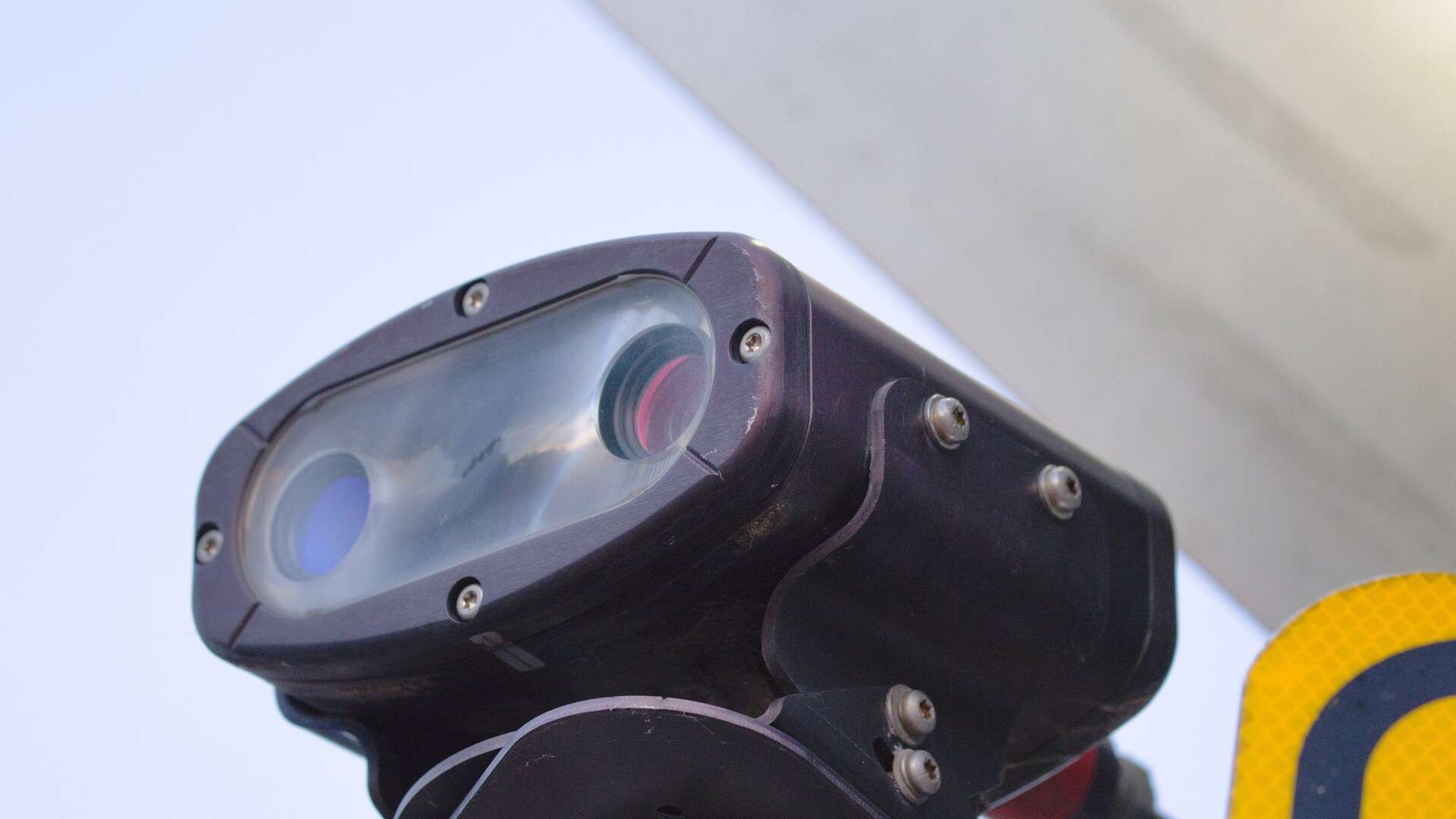
Is a police search of a license plate reader database a Fourth Amendment “search”? Two federal district judges answered that question differently within three weeks of each other, and an appeals court has yet to weigh in. Neither ruling is binding precedent.
California, Sept. 10: eight photos, not a search
In United States v. Riley, a federal court in the Central District of California denied a motion to suppress, according to Reclaim The Net’s account of the order. Defendants Melvin Riley and Kenneth Holley Jr. are charged with Hobbs Act robbery, conspiracy to commit robbery, conspiracy to commit kidnapping and kidnapping, stemming from investigations in Culver City and Carson. Detectives queried plate reader databases and obtained about eight photographs of two vehicles, a white Dodge Charger and a gold Chevrolet Malibu.
The court held that the queries “do not constitute searches” under the Fourth Amendment, so police needed no warrant or probable cause. Paraphrasing the order as described by Reclaim The Net: the photos did not create an all-encompassing record of the defendant’s whereabouts, gave no intimate window into his private life, and were not dragnet-style enforcement. The court also distinguished the Supreme Court’s Chatrie and Carpenter decisions, saying the data was less extensive than the near-perfect surveillance at issue in those cases. Reason identified the judge as Virginia Phillips.
Oklahoma, Oct. 1: a month of tracking, a search
Three weeks later, U.S. District Judge Sara Hill ruled the other way in United States v. Kyle. In May 2026, according to Reason and The Record, a Tulsa County deputy, Freddie Alaniz, noticed a car with a California plate and searched Flock’s national database. The query showed about 50 sightings of the car across multiple states over a month. Reason reported that he listed “traffic violation” and “investigation” as reasons while knowing only the California plate. He stopped the driver, Melisa Kyle, for following too closely and failing to signal lane changes early enough, and a later search of her car turned up drugs.
Hill held that the Flock search was a Fourth Amendment search conducted without a warrant or probable cause, and she suppressed the evidence that followed. She wrote that using plate reader data to trace a driver’s movements over an extended period can be an unconstitutional warrantless search even on public roads, describing it as approaching dragnet-type law enforcement. Hill found the initial traffic stop itself reasonable, but not the extension of it. The Record reported that Hill relied repeatedly on Chatrie v. United States, the Supreme Court’s June 2026 decision limiting police access to location data held by third parties.
Flock’s spokesperson told The Record the company expects an appeal and reversal and says the ruling is limited to its specific facts. Reason reported that the government argued the data came from public roads, so Kyle had no reasonable expectation of privacy in her movements. Hill rejected that argument. Reason did not report any appeal.
Where the judges actually split
The judges did not disagree about whether the government may ever look at plate reader data. They disagreed about a different question: how much data turns a lookup into a search. Eight photos of a vehicle, in the California judge’s view, did not reveal a person’s movements. A month of cross-state sightings, in the Oklahoma judge’s view, did.
The appeals court
The Eleventh Circuit heard argument in United States v. Slaybaugh over a Flock query, and has not ruled, based on the reports reviewed here. Reason reported the argument was on July 29. The footnote4a.org account of the hearing says the government conceded at argument that its query “was actually much broader” than its brief described, and that Judge Abudu asked whether information gathered in public stays public once it sits in a non-public database. Law professor Orin Kerr has written that plate reader cases will be among the first to test how far Chatrie reaches.
What it means for drivers
Get stopped off a Flock hit and whether the search was legal depends on which courthouse you land in. One lookup tied to a crime and a month of tracking now sit on opposite sides of a line nobody has drawn. Lawsuits such as the one Chrisanna Elser filed against Flock and two Colorado towns ask a court to require warrants, case numbers and audits for plate reader searches, which would set rules where the rulings now conflict.
If eight photos is a lookup and a month of sightings is a search, where does the line sit: nine photos or thirty days?
Sources: Reason (California ruling); Reclaim The Net; Reason (Oklahoma ruling); The Record; footnote4a.org; TechCrunch.