
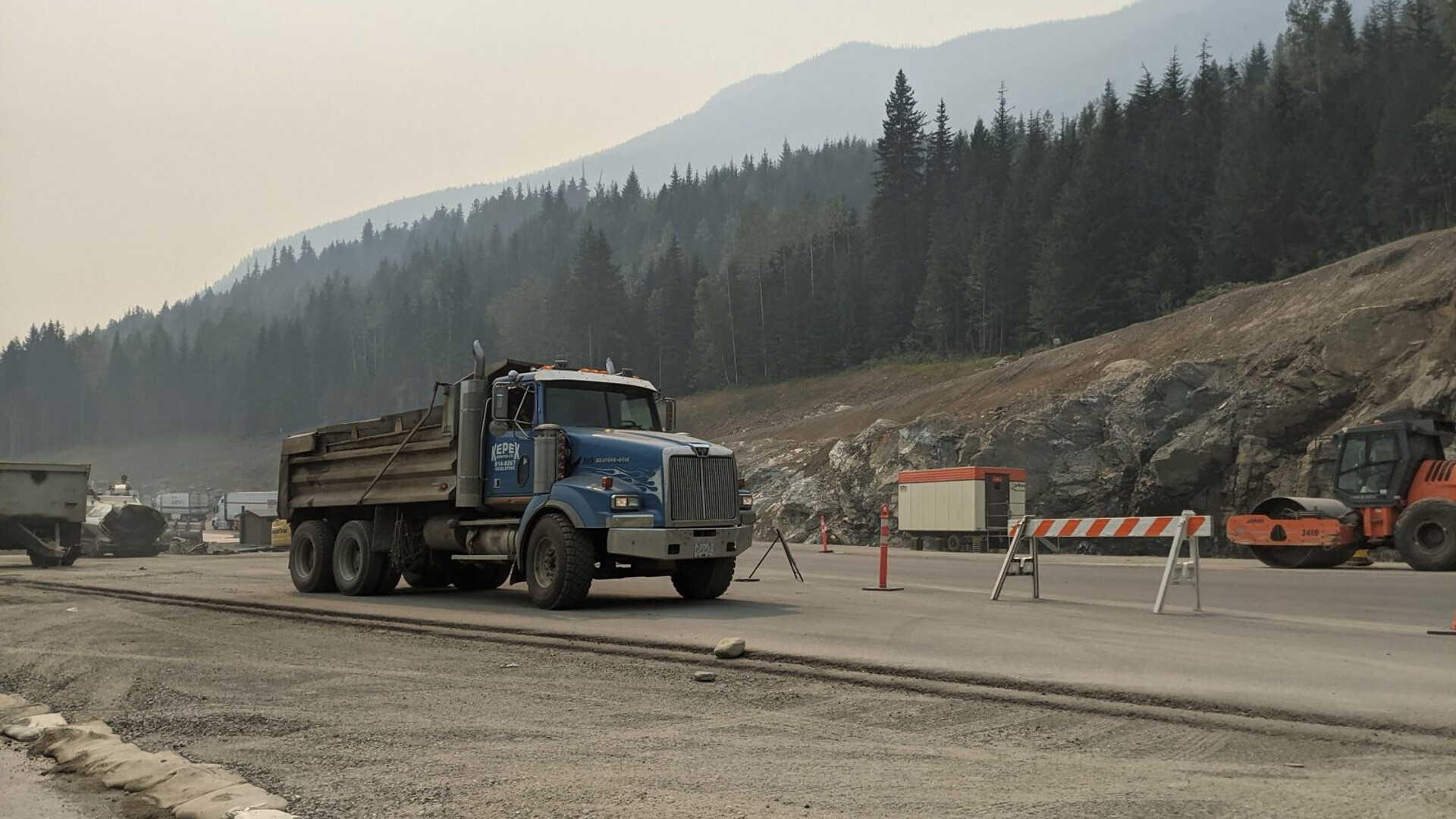
In Pueblo, Colorado, six state-run cameras in the Interstate 25/U.S. 50B interchange work zone mailed 15,870 speeding penalties between Aug. 1 and Oct. 9, a pace in the same range as the Kipling Street camera in Wheat Ridge that mailed about 17,000 in two months. Every one of the Pueblo tickets is now being dismissed or refunded. The Colorado Department of Transportation says it recorded the wrong dates on its own internal approval paperwork for the temporary 50 mph limit the cameras were enforcing.
Each ticket was a $75 civil penalty mailed to the vehicle’s registered owner, so the voided total is $1,190,250, The Auto Wire’s math from CDOT’s count. A CDOT spokeswoman told 9NEWS consumer investigator Steve Staeger, who reported the voids on Nov. 4, that the agency has dismissed 7,691 citations and that refunds are pending on 8,179 that drivers had already paid. That second group is owed $613,425. In a Nov. 23 report, the Pueblo Chieftain quoted CDOT saying it “found an administrative error in an internal document regarding approval dates associated with the temporary lower speed limit.”
What CDOT says went wrong on I-25 in Pueblo
CDOT started warnings in the corridor June 30 and switched to fines July 30, according to its July 20 release, with cameras between mile points 99.3 and 100.8 on both sides of the interstate. The system doesn’t take a radar reading at one spot. It photographs a vehicle at two cameras, divides the distance by the travel time, and mails a notice to anyone who averaged 10 mph or more over the limit. No points go on the driver’s license.
The Chieftain reported that the dates CDOT recorded for the lower limit didn’t match what the Colorado Speed Enforcement Program had approved, and that some tickets were issued in the 50 mph zone outside the official window, which it gave as noon July 31 to noon Oct. 9. CDOT hasn’t said how many tickets fell outside that window. It chose to refund or dismiss everything issued at the location during the period, which means drivers who were clocked on days when 50 mph was properly in force are getting their money back too. CDOT told 9NEWS that its other two camera corridors, on I-25 near Berthoud and on Colorado 119 in Boulder County, had correct start dates and weren’t affected.
Form 568 is what turns a 50 mph work-zone sign into a speed limit
The paperwork at the center of this has a number. Before CDOT lowers a limit for construction, a project engineer fills out CDOT Form 568, the Temporary Speed Limit Reduction form, listing the highway, the mile points, the direction of travel, the normal posted limit, the reduced limit, and a required “From Date & Time” and “To Date & Time.” A region traffic engineer or other designated official approves or denies it. The form cites the department’s authority under Colorado Revised Statute 42-4-1102(1) and says speed reductions apply only while the conditions that warrant them exist.
That is how a paperwork error can undo tickets built on sound camera data. The two timestamps prove how fast a car went through the corridor. Whether 61 mph was a violation depends on whether 50 was the authorized limit at that minute, and that answer sits in an approval record no driver sees on the notice. CDOT’s speed enforcement FAQ adds that reduced work-zone limits apply even when no workers are present and that the cameras run around the clock, which puts the full weight of the lower limit on the dates written on that form.
A Pueblo driver contesting the ticket got a narrow hearing
A driver who received one of these notices had 45 days to pay or appeal. Under the process CDOT describes in its FAQ, a notice left unpaid and undisputed becomes a civil penalty assessment due in 30 days, then a final order of liability. A hearing officer can decide only whether a violation occurred, whether the person is the registered owner, and whether a recognized legal defense has been proven. The officer can’t waive or reduce the $75 or set up a payment plan. An appeal of the officer’s final order goes to the county court where the violation happened, and it has to be filed within 35 days.
An unauthorized limit is the kind of defense that hearing exists to weigh, but a driver would have had to know the approval form existed and ask for it. CDOT’s program page sends records requests through the Colorado Open Records Act. Nothing on a mailed notice shows the approval dates, and the registered owners billed in Pueblo had no reason to think the 50 mph signs they drove past were on shakier footing than the cameras. CDOT found the error itself, after more than 8,000 people had already paid.
Pueblo follows Kersey and Hudson in Weld County
The state’s program is the latest Colorado camera operation to give money back in 2026. Earlier this year, 9NEWS reported, the Weld County town of Kersey dismissed $1.1 million in photo radar tickets after the station found fines above what the law allowed. A few months later, the town of Hudson threw out $1.2 million in tickets after more problems the station uncovered. KOSI 101 reported that Hudson’s single northbound camera on Weld County Road 49 had issued 31,353 tickets totaling $1,254,120, and quoted Mayor Joe Hammock saying the town would redeploy it with a 30-day warning period.
All three breakdowns were administrative: the fine amount in Kersey, the placement and warning period in Hudson, a date on an approval form in Pueblo. The same thing has happened outside Colorado. In Virginia, an audit of Alexandria’s Seminary Road camera pushed its count of bad tickets to 834.
Colorado lawmakers rewrote the camera law this year in Senate Bill 26-152, which passed in May. It requires vendors to be paid a flat monthly fee or hourly rate instead of anything tied to ticket volume, and when a limit is temporarily lowered for hazardous weather or traffic conditions, it lets cameras cite only speeds above the regular posted limit for that spot. The legislature’s summary of the bill doesn’t extend that rule to construction-zone reductions like Pueblo’s. The enacted law also requires agencies running camera corridors to publish an annual report on their websites showing the number of citations and the revenue they generated, which puts the Pueblo write-off on the public record the next time CDOT reports.
What happens next for Pueblo drivers and the I-25 cameras
As of Nov. 23, neither CDOT’s main speed enforcement page nor its FAQ said anything about the Pueblo refunds, and CDOT’s statements to the Chieftain and 9NEWS didn’t spell out how or when the 8,179 refunds will arrive. The program’s customer service line is 844-450-0440, and its payment site is coloradospeedenforcement.com. CDOT’s FAQ says the agency never sends violation notices by text or email.
Enforcement in the corridor is ongoing, according to the Chieftain, and CDOT says excessive speeding there dropped nearly 67% during the warning period, when more than 11,000 violations were logged. The agency points to 31 work zone deaths in Colorado in 2024, a record. Program revenue goes first to program costs, with any excess sent to the state’s Vulnerable Road User Protection Fund, so the $1.19 million coming off the books is money that never reaches that fund. CDOT spokesperson Amber Shipley told the Chieftain the program “is not a revenue-generating tool,” and the agency said it apologizes for the error.
CDOT is refunding every Pueblo ticket from the period, including ones issued while 50 mph was properly on the books. Did you pay one of those $75 notices, and has your refund shown up yet?