
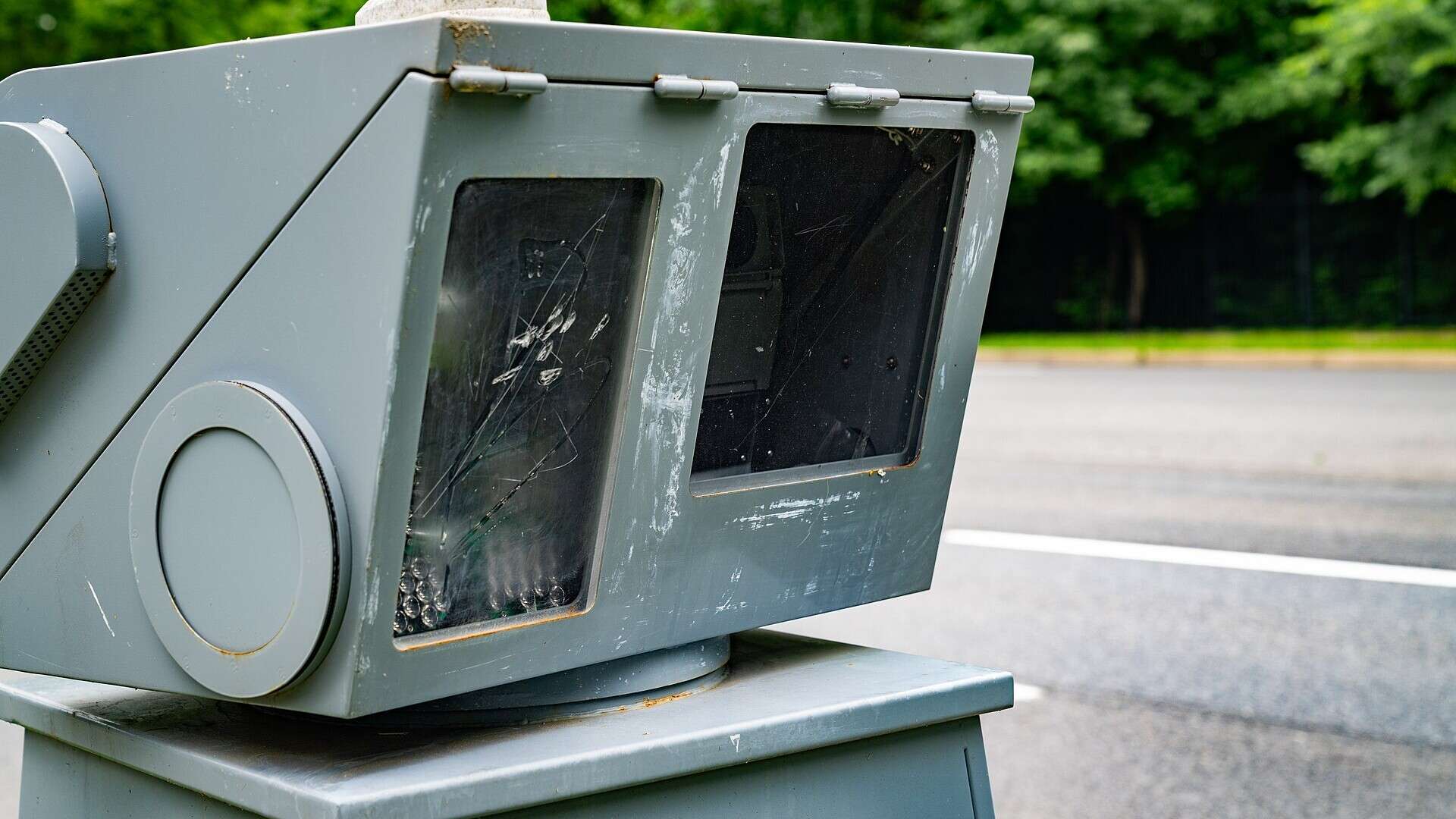
The speed camera that watches downhill traffic on Kipling Street in Wheat Ridge, Colorado, issued 8,879 citations in August and about 8,100 in September, while the camera covering the uphill side issued 628 and 702, CBS Colorado reported on Oct. 27. Drivers who were cited averaged about 52 mph in a 40 mph zone. The fine is $40, it goes to the registered owner by mail, and it carries no points.
That is roughly 17,000 tickets from one camera in two months, on a road where the second camera wrote about 1,330. The Wheat Ridge Police Department says the cameras exist to slow people down. A police spokesman, Alex Rose, told CBS Colorado that speeds are falling 70% to 80% year over year, which he said makes the program “a pretty bad business model” for a revenue generator. CBS did not say what the comparison measured.
Two cameras, one hill
The department announced that a Kipling Street camera between West 32nd and West 34th avenues would send warnings for 30 days before notices of civil violation began Aug. 5, 2026. The city has also designated Kipling a speed corridor, which lets it use mobile cameras along the road, and it has put a fixed camera near West 38th Avenue, according to the Neighborhood Gazette and Denver7.
The downhill camera produced about 93% of the combined tickets in August (8,879 of 9,507). The Auto Wire’s math on CBS’s September figures puts it at about 92%. Between the two months, downhill citations fell roughly 9% while uphill citations rose about 12%. One month of decline on a hill is not a trend, and the October count is the one that will say whether drivers are learning the road or the camera is simply sitting where gravity does the work. At the $40 maximum, 16,979 downhill notices come to about $679,000 if every one were paid in full. CBS did not report how many have been paid.
A resident told CBS Colorado the cameras are “doing its job” and pointed to garbage trucks moving fast and several accidents at the corner. Other drivers have called the camera a speed trap, CBS reported.
Who gets the money
CBS reported that a portion of each citation goes to the company that operates the cameras and the rest goes to the city’s general fund. It did not give the split.
Colorado law limits how that can work. Under C.R.S. 42-4-110.5(5), no portion of any fine collected through a camera system may be paid to the equipment’s manufacturer or vendor. The state or city pays for the equipment and services based on their value, and the payment may not be based on the number of citations issued or the revenue the cameras generate. A flat monthly fee per camera fits that rule; a percentage of each fine does not. Los Angeles’s new speed-camera contract, priced at a set monthly amount per camera, is built the first way.
I could not find Wheat Ridge’s contract or a payment schedule in the public documents I was able to reach, so how the city pays its vendor is unconfirmed. The police department has not been quoted on the split in the reports I reviewed.
What the state requires before a corridor camera goes live
Colorado limits camera enforcement of speed to school zones, residential neighborhoods, construction zones, streets bordering municipal parks, and designated corridors. A corridor designation requires data from the past five years on crashes, speeding, reckless driving, or complaints. A new system needs 30 days of public announcement and 30 days of warnings before fines begin. The state also caps the penalty for a camera-detected speeding violation at $40 including surcharges, outside school and construction zones, and bars the state from assessing points against a license.
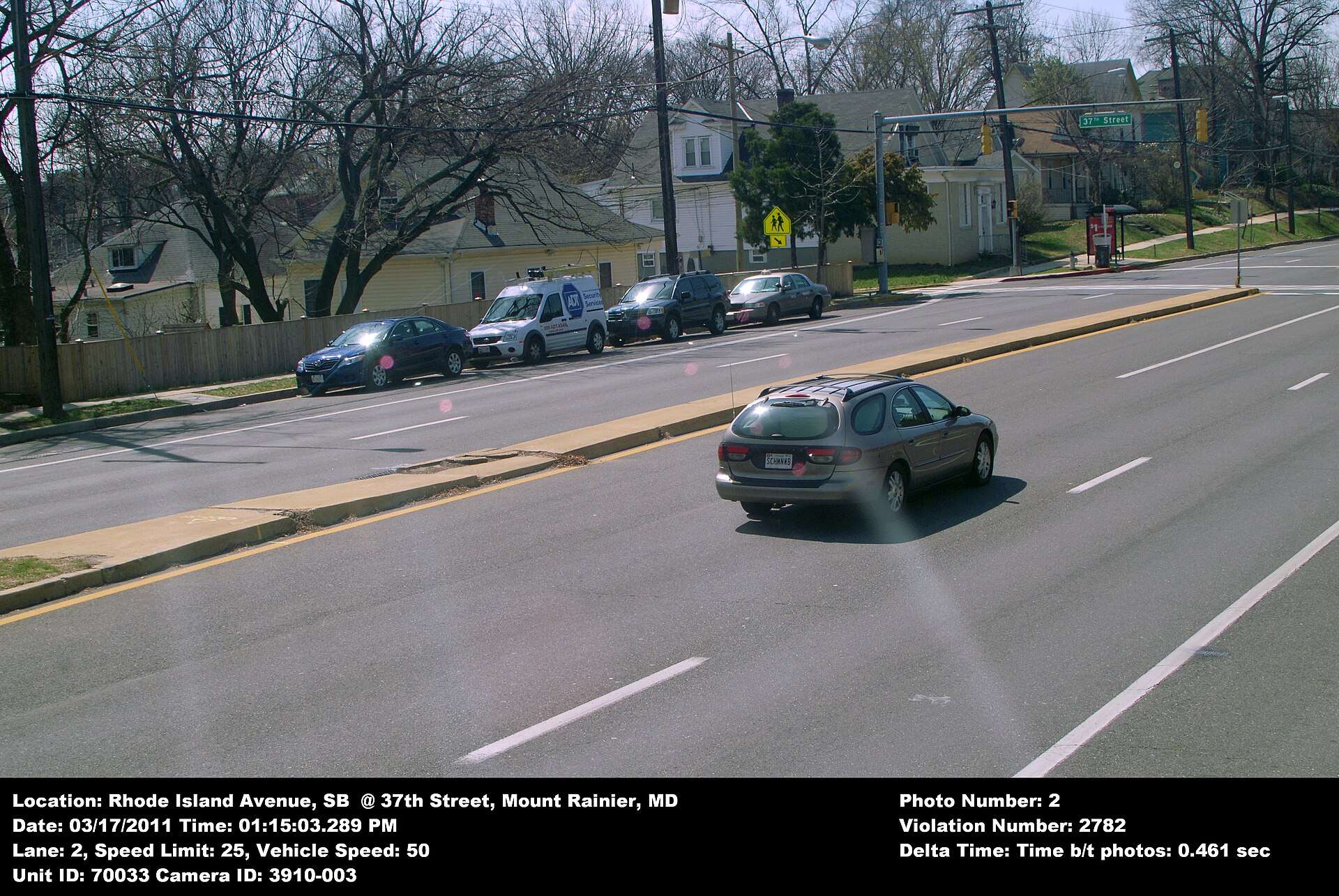
If a notice arrives
The statute sets the deadline to pay or dispute at no less than 45 days after the notice is issued. An owner who does not request a hearing by that deadline gives up the right to contest the violation or the amount. A final order can be appealed on the facts and the law to county or municipal court, which hears the case fresh. The law also bars enforcing an unpaid camera penalty by immobilizing the vehicle. Rules vary by city and by state, and Wheat Ridge’s notices spell out its own deadlines.
Kipling Street is next in line for more cameras. The city plans its first red-light camera at Kipling and West 44th Avenue, where the state cap is $75, Denver7 reported. Rose called that intersection a high-impact spot for reckless driving and speeding.
A camera at the foot of a steep 40 mph stretch catches the speed gravity adds along with the speed drivers choose, and nothing published so far separates the two. If you drive Kipling, does the downhill side feel like a 40, or like a launch ramp?