
The first number was 115. The real number is 834.
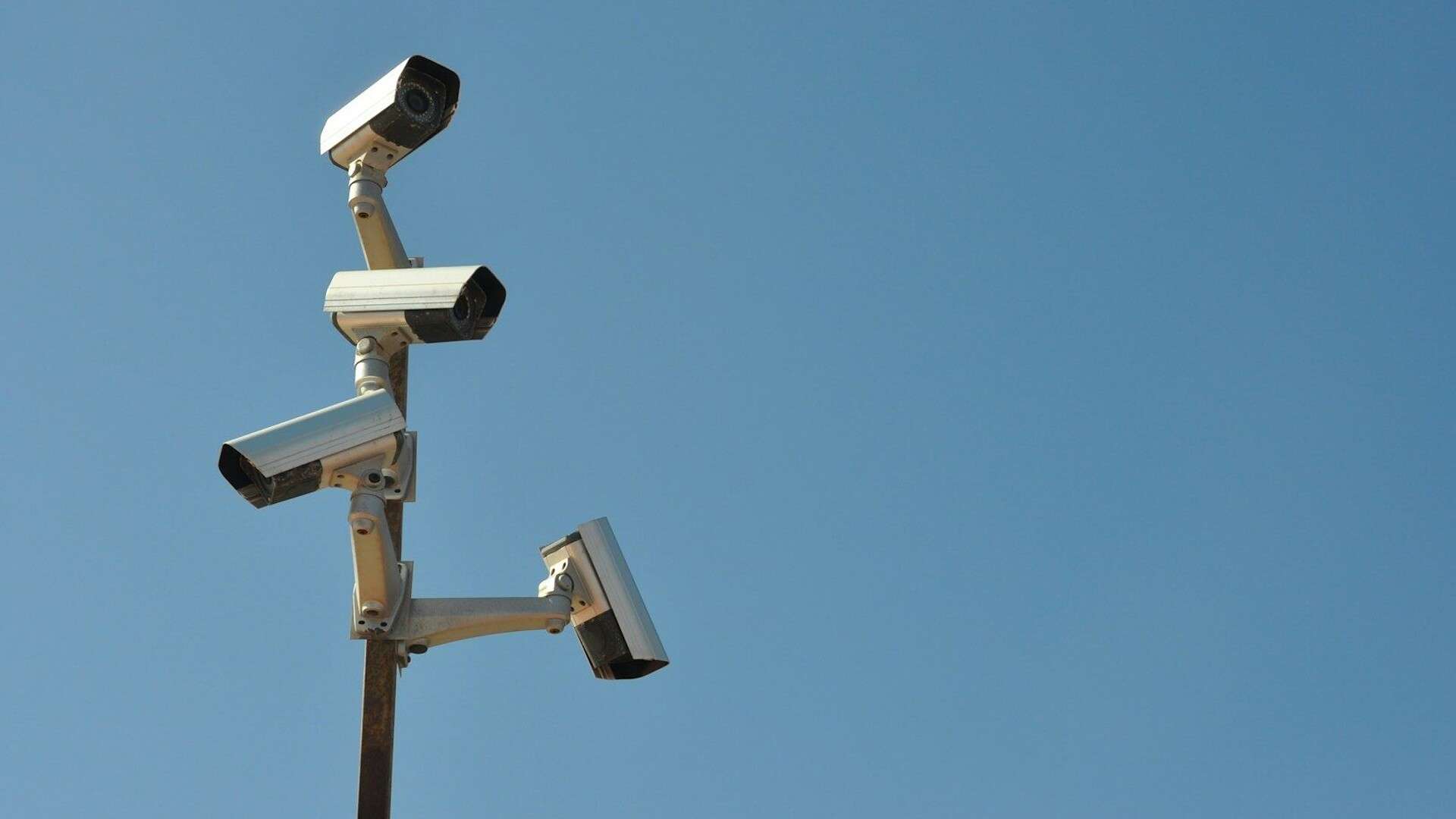
In August, the Alexandria Police Department admitted that the eastbound school-zone speed camera on Seminary Road, outside Francis C. Hammond Middle School, had issued 115 citations outside its legal enforcement window between August 18, 2025, and February 26, 2026. On October 7, the city updated that statement. After an expanded review of records from its vendor, Verra Mobility, APD now counts 834 bad citations over the same period, every one issued between 7:30 and 7:59 a.m.
That’s the morning half-hour before enforcement was supposed to start. For roughly six months, the camera was doing its job 30 minutes early on one side of the road.
The refund math has a gap
According to the city, 592 paid citations have been refunded to the original payment method, 59 of them by check that staff are processing by hand, and 227 unpaid citations were dismissed. That adds up to 819. The city doesn’t explain the other 15 directly, but its statement notes that some refunds failed because the original payment method is no longer active. Anyone who thinks they’re in that group is told to call Sgt. Reeve at 703.746.6652.
Related Articles
- Argentina Signed Off on Toyota’s $1.3 Billion ‘Electrified’ Plant. Toyota Still Hasn’t Said What Goes in It.
- Georgia’s Lift-Kit Law Exempts Basically Every Pickup Since 2011. A Wrongful-Death Suit Wants a Jury to Draw the Line.
Virginia caps these penalties at $100, so the ceiling on what this camera wrongly billed is $83,400. If you moved, closed a card or paid with a card that’s since expired, assume your money won’t find you on its own.
How does a camera get this wrong for six months?
Virginia’s law is supposed to have a human check built in. Under Va. Code 46.2-882.1, a mailed speed-camera ticket is backed by a certificate sworn by a law-enforcement officer (or a retired one) who reviewed the images. For school crossing zones, that certificate isn’t even prima facie evidence unless the images or documentation confirm the flashing school-zone sign was active, or a portable sign was in place, at the moment of the violation.
So 834 times, a citation went through that review and out the door during a half-hour the camera had no business enforcing. Whether the reviewers had the wrong schedule, didn’t check it, or were looking at a beacon that was also flashing early, the city’s statements don’t say. That’s the most important unanswered question here.
APD’s original statement called it “a programming issue.” Its remedy is procedural: independent verification, written confirmation of schedule changes and regular camera audits. It also says it audited its other 11 school-zone cameras and found them working correctly. Read that backward: until now, a schedule change could reach the camera without anyone signing off in writing.
What the law gives drivers
A few provisions in that same statute matter if you ever get one of these tickets in Virginia:
- No points, no insurance hit. A mailed camera ticket isn’t a conviction, doesn’t go on your driving record and can’t be used for insurance purposes. An officer standing at the roadside with the device and handing you a summons is a different story.
- The 10-mph rule. Cameras can only ticket drivers going at least 10 mph over the posted limit.
- You can demand calibration records. If you contest, the vendor must deliver proof of calibration within 10 days, or pay a $1,000 civil penalty.
- Vendors can’t earn per ticket. Contracts must be based on the value of goods and services, not on the number of violations.
- Broken rules void the summons. The statute says a court shall dismiss any summons issued in violation of the section.
There’s also Va. Code 46.2-882.2, which addresses damages when a locality enforces “with willful disregard for applicable law.” Nothing public suggests willfulness here, but the fact that the provision exists says lawmakers saw failures like this coming.
More cameras, more calendars
Virginia has expanded camera enforcement steadily, and the 2026 General Assembly added a batch of amendments to the statute, including a 30-day warning period for new cameras placed after July 1, 2026. The more cameras, the more schedules, and the more chances for a calendar entry to drift from the sign on the pole.
Related Articles
- L.A.’s Kia and Hyundai Theft Wave Will Last Until at Least 2042, UCLA Says, and It’s Headed for Poorer Neighborhoods
- Cops Pulled Over a Waymo With ‘No Driver, No Hands, No Clue.’ California’s Answer Is a Ticket With No Fine.
Practical takeaways
If you got a mailed ticket from the eastbound Seminary Road camera during the 2025–26 school year, check the timestamp. Anything stamped 7:30–7:59 a.m. falls in the window the city has disowned. If you paid and haven’t seen a refund, call. The city says to contact Sgt. Reeve if you still have the notice.
For every other camera ticket, read the time printed on the notice before you pay. School-zone enforcement in Virginia depends on hours and signals, and as this camera just showed, the machine doesn’t always know what time school starts.
Got a Seminary Road ticket stamped 7:30–7:59? Did the refund find you, or are you one of the 15?