
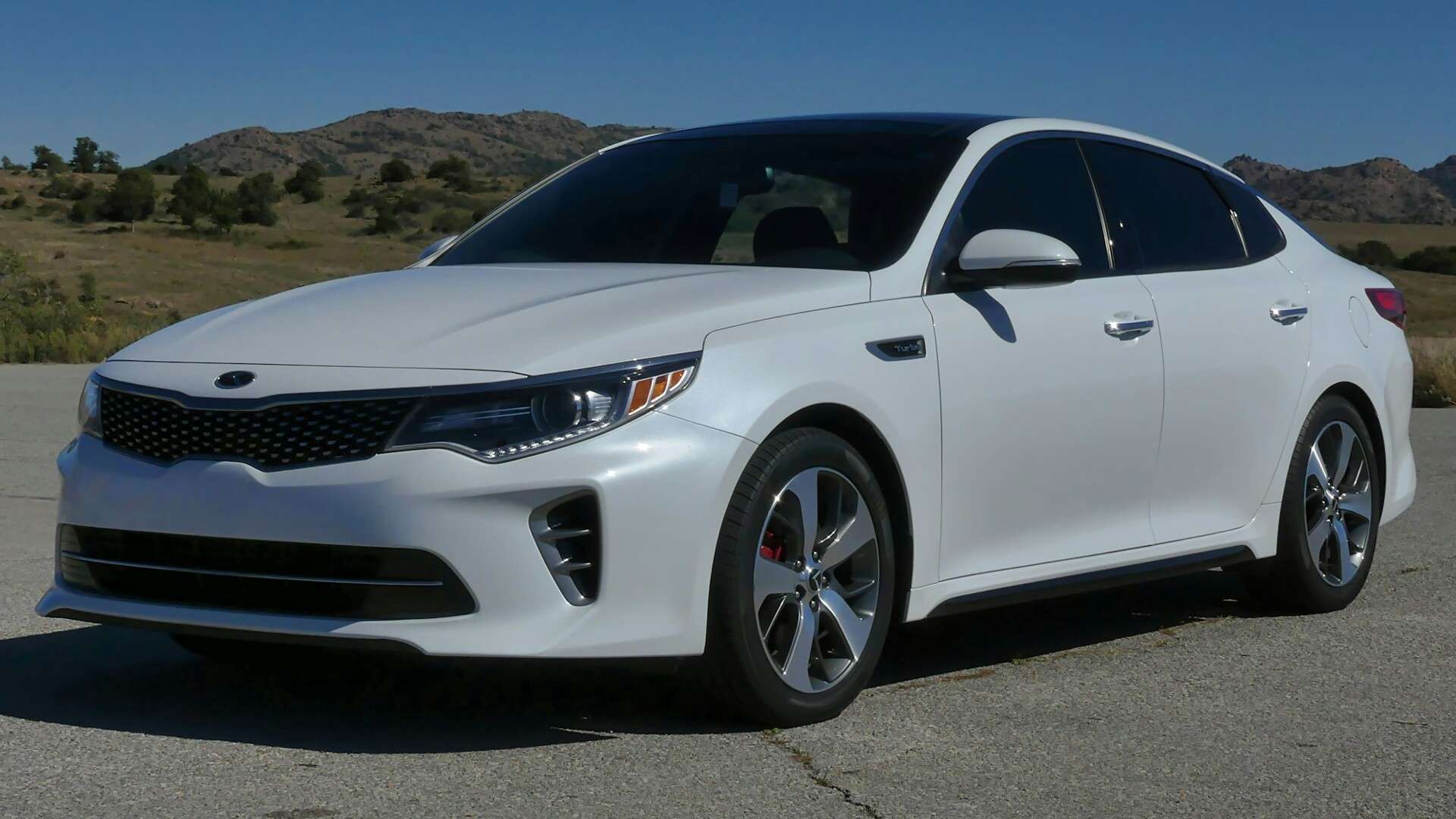
UCLA anthropologist Jeffrey Brantingham has advice for anyone in Los Angeles who owns a Hyundai Sonata, Kia Optima or one of 18 other Hyundai and Kia models built from 2011 to 2022 without an engine immobilizer: put a lock on the steering wheel, take the dealer’s anti-theft fix, or trade the car for one that has an immobilizer. His reason is a forecast. Working from Los Angeles Police Department data, his team projects that those cars will keep getting stolen in the city through at least 2042, and likely through 2050.
The study, titled “Forecasting the impact of the viral ‘Kia Boys’ social media trend on car thefts to 2050,” appeared in the International Journal of Forecasting, and UCLA announced it on September 14. The Air Force Office of Scientific Research paid for it. UCLA dates the surge to 2020, in several cities including Los Angeles, and says the Los Angeles evidence shows thieves found the weakness without help from social media. The researchers say the same happened in Milwaukee, where the “Kia Boys” posts began, and in Denver. They name pandemic lockdowns, which left cars parked on the street for long stretches and teenagers out of school, along with print and cable news coverage, as significant early factors. The YouTube and TikTok videos came after and spread a crime that was already underway.
That longer timeline changes who pays. The remedies on the table, a software update, a free metal ignition sleeve and a capped restitution fund, are built around a short window and whoever owns the car today. The UCLA model says the thefts will keep landing on whoever owns these cars in the 2030s, and that owner is likely to live in a poorer part of town.
The theft hotspot moves with the used-car market
The study’s mechanism comes from how cars change hands. New cars sell mostly in more affluent neighborhoods, stay with their first owners for a couple of years, then enter the used market. Each resale at a lower price moves the car toward a less affluent area. Brantingham’s team says the vulnerable Hyundais and Kias started out in wealthier parts of Los Angeles and will end their lives, perhaps 20 to 25 years later, in poorer ones. The same thing happened with Honda Civics and Toyota Camrys, which thieves targeted heavily in the 1980s, 1990s and 2000s.
“For people living in those less affluent areas, the crime hotspot comes to them,” Brantingham said in the UCLA release. In his telling, the offenders aren’t the ones moving. The targets are.
By The Auto Wire’s arithmetic on that 20-to-25-year life span, a 2011 Sonata ages out between 2031 and 2036, and the last immobilizer-free 2022 models age out between 2042 and 2047. The researchers don’t explain their model that simply, but the dates fit their forecast.
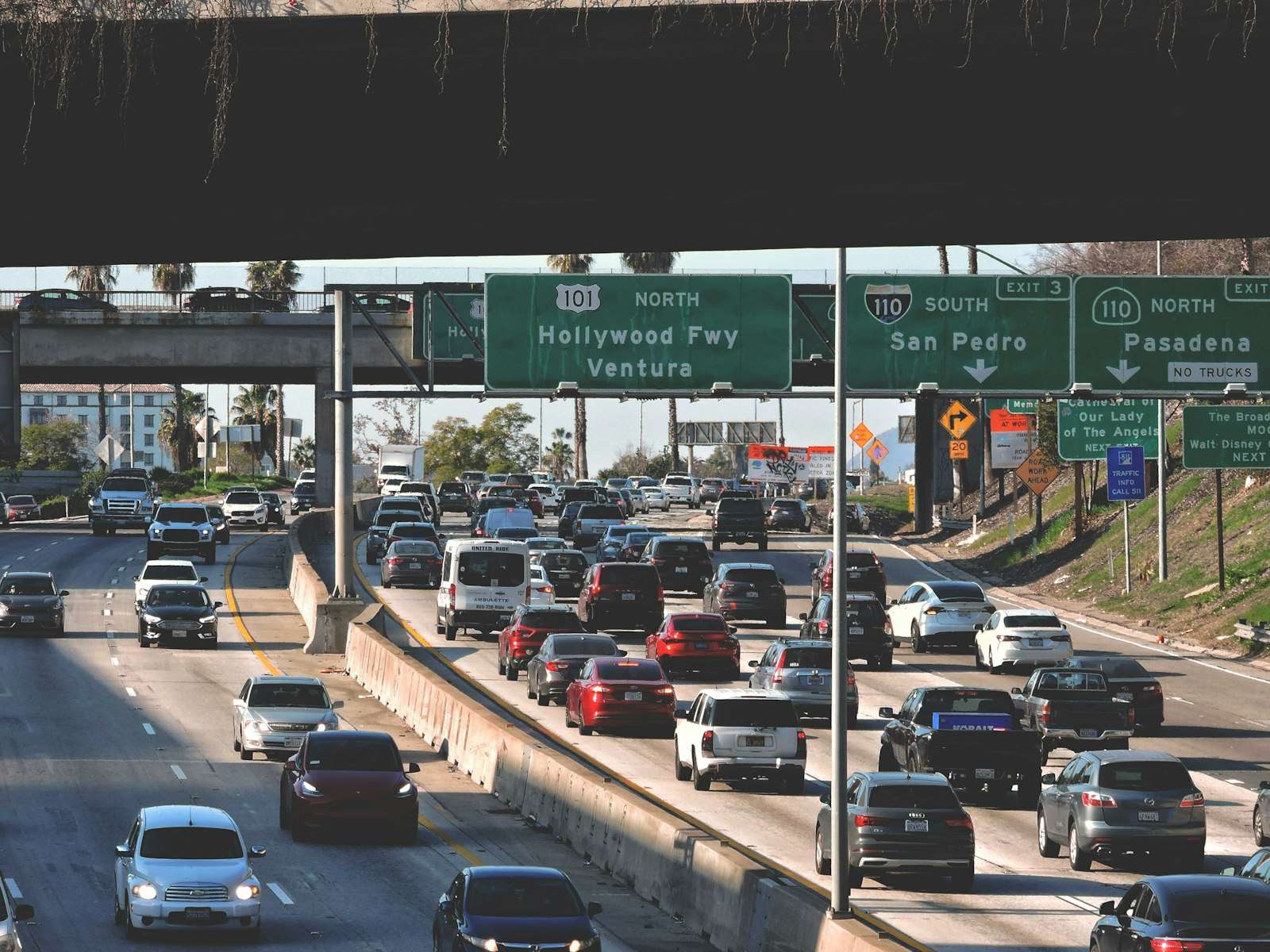
The size of the Los Angeles problem is on the record. California Attorney General Rob Bonta’s office said Hyundai and Kia thefts in the city rose about 85% in 2022, when the two brands made up about 20% of cars stolen there, up from 13% in 2021. Nationally, Bonta’s office said, Hyundai and Kia models were the first, second and fifth most commonly stolen vehicles in 2024.
Why the U.S. versions left the factory without an immobilizer
An immobilizer checks for a coded chip in the key before it lets the engine run. Without one, a thief who breaks off the steering column cover can turn the exposed ignition with a USB plug, which is the method the videos made famous. The federal theft standard, Federal Motor Vehicle Safety Standard No. 114, says its purpose is “to decrease the likelihood that a vehicle is stolen, or accidentally set in motion.” It sets a performance requirement: with the key removed, the car must not start normally, and its steering, its forward motion or both must be locked. It never names an immobilizer.
Canada does name one. Transport Canada made immobilizers mandatory on new vehicles starting September 1, 2007. Bonta’s office said the same Hyundai and Kia models sold in Canada and Europe had them. Washington Attorney General Nick Brown’s office, citing one report, said only 26% of the vehicles the two brands sold in the U.S. in 2015 had immobilizers, against 96% for other manufacturers. The 36 states that settled with the companies in December 2025 alleged that the cars violated federal motor vehicle safety standards. The settlement resolved those allegations, and under it the companies agreed to put immobilizers on all future U.S. vehicles.
Hyundai and Kia’s fixes depend on owners showing up, and the money has an end date
The first fix was software. Hyundai and Kia waited until 2023 to start what Bonta’s office called a service campaign to update most affected cars, and the states alleged thieves could bypass the update and did. The upgrade arms an ignition kill when the owner locks the doors with the key fob. Where it has been installed, the insurance claims data show it works. The Highway Loss Data Institute, the insurance industry’s research arm, found in a May 2025 bulletin that upgraded Hyundais and Kias had 52% fewer whole-vehicle theft claims than cars without it. Vandalism claims on upgraded cars rose 50%, which suggests thieves are still breaking into and damaging cars they then can’t start. As of December 2024, HLDI counted only 41% of eligible Hyundais and 40% of eligible Kias as upgraded.
The December 2025 settlement added hardware: a zinc-reinforced ignition cylinder protector, installed free at Hyundai and Kia dealers, including on cars that previously qualified only for the software update. The companies notify eligible owners, and those owners have one year from the date of that notice to book the installation. The settlement also set aside up to $4.5 million for owners whose cars were stolen or damaged, and the companies are paying another $4.5 million to the states for the cost of the investigation. Cars without either fix remain targets; last month The Auto Wire covered a Glendale case in which a 12-year-old and a 13-year-old are accused of stealing cars with a USB cable.
The restitution terms are narrow. According to the settlement administrator’s site, a claim pays up to $4,500 for a total loss, $2,250 for a partial loss and $375 for a theft attempt. The car had to have the software upgrade installed or scheduled at the time, and the theft had to happen on or after April 29, 2025, and before the sleeve was installed or March 31, 2027, whichever comes first. The site warns: “Funds are limited and will be disbursed on a rolling basis until the limited fund is exhausted.” At the maximum payout, $4.5 million covers 1,000 total-loss claims, nationwide. This fund is separate from the earlier private class action, and Bonta’s office said it comes on top of that payment.
That leaves a gap of more than 15 years between the end of the claim window and the earliest date UCLA expects the thefts to end. The state releases and the settlement site I read don’t say whether someone who buys one of these cars after the original owner’s one-year sleeve window closes can still get the sleeve free. I couldn’t confirm that from the published documents. Some of the cost has already moved to insurers, who are pursuing Hyundai’s and Kia’s Korean parent companies in federal court, and some has landed on owners who found their policies didn’t cover the loss. Bonta’s office also said the resale value of these cars has plummeted, and lower prices are what carry the cars into the neighborhoods the UCLA study describes.
What a Los Angeles owner or used-car buyer can check
An owner of a 2011–2022 Hyundai or Kia can check the eligible-model list on the settlement site, ask a Hyundai or Kia dealer whether the car has had the software upgrade and the zinc sleeve, and book the sleeve within a year of the company’s notice. An owner whose upgraded car was stolen or broken into on or after April 29, 2025, can file a restitution claim now, before the fund runs dry. Someone shopping for a used car on that list can ask the seller for dealer paperwork showing that both fixes were installed. Brantingham’s own advice is a steering wheel lock, used correctly, and for the next purchase, a car with an immobilizer as standard equipment.
The next date on the calendar is March 31, 2027, when the restitution window closes on a theft problem that UCLA expects to last at least another 15 years in Los Angeles. Whether the free sleeve stays available to the people who buy these cars after that is a question the published settlement documents leave open.
If you bought one of these cars used, should the free sleeve and theft payout follow the car to you?