
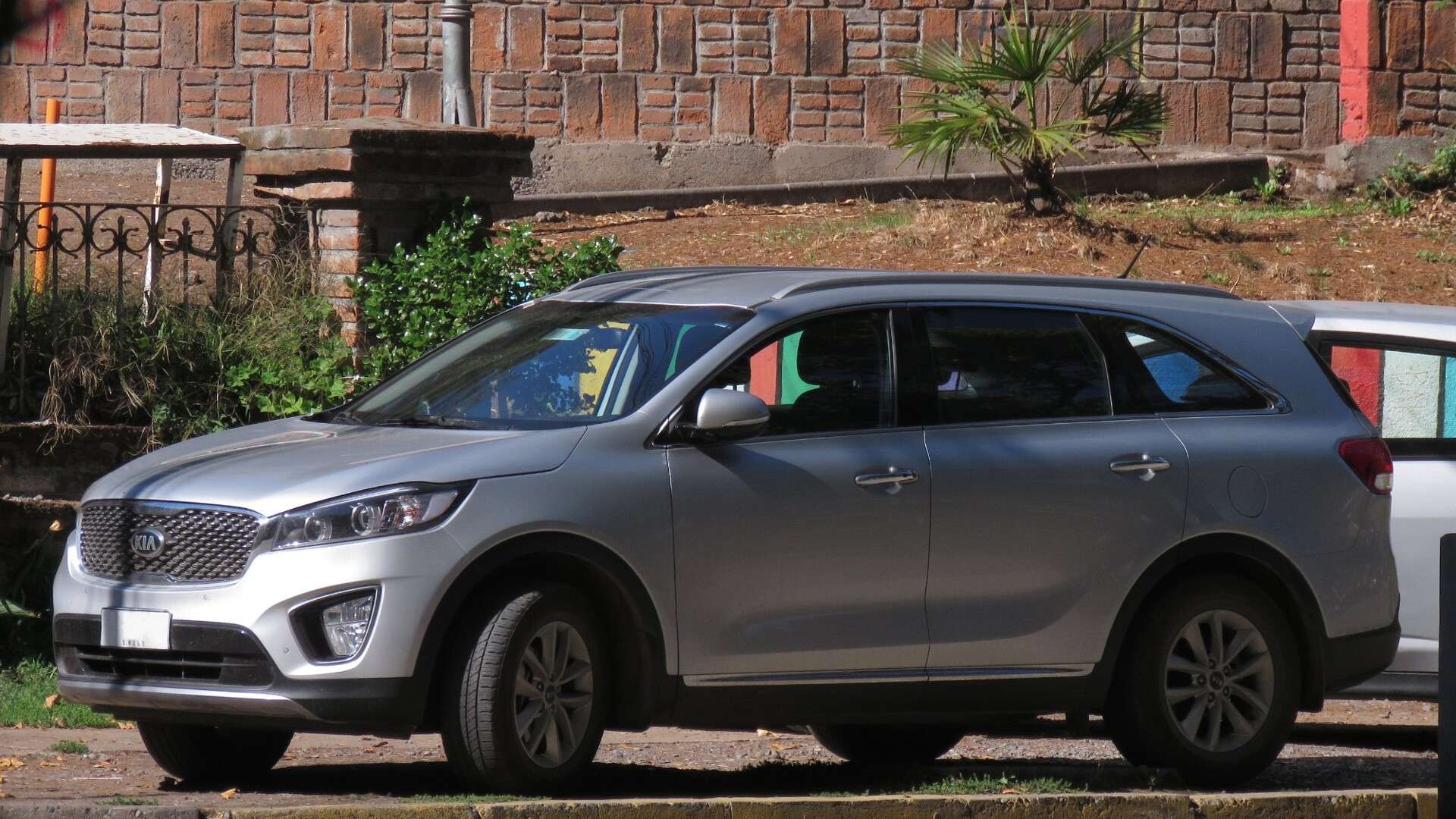
A Kia Sorento disappeared overnight from a family’s driveway in the Mountain Vista Ranch neighborhood of Surprise, Arizona, in early September. A few days later it turned up in a church parking lot a few blocks from the house, with little missing from inside and damage that cost the family hundreds of dollars to repair, the owner’s mother told ABC15 in a report that aired Tuesday.
The SUV belongs to her son, who found it gone. A neighbor’s security camera recorded the Sorento being driven away, according to the station, and the family filed a police report. The family believes it was taken as part of the “Kia Boyz” social-media trend, which the mother said she had never heard of until it happened to them. “It’s just frustrating because whoever stole it just stole it for a prank,” she told ABC15. No arrest in the case has been reported. Surprise police told the station that thefts of vulnerable Kia and Hyundai models have occurred in the city.
Whether the family can get that repair money back from Kia comes down to two facts the broadcast didn’t include: the Sorento’s model year and ignition type, and whether it had already received Kia’s free anti-theft software. If those line up, the theft falls inside a Hyundai and Kia settlement Arizona signed onto last December, with a restitution fund that pays owners whose cars were stolen after they had done what the automakers asked of them. The money is there, but it is capped, it is paid out until it runs dry, and its own eligibility rules concede that the software fix alone didn’t stop the thefts.
Arizona Law Treats a Joyride as a Felony
Arizona separates taking a car from stealing one, and the dividing line is intent. Theft of means of transportation under A.R.S. § 13-1814 requires controlling someone else’s vehicle with the intent to permanently deprive the owner of it, and it is a class 3 felony. A car driven off and abandoned a few blocks away fits more naturally under A.R.S. § 13-1803, unlawful use of means of transportation, which covers knowingly taking unauthorized control of another person’s vehicle without intending to keep it. That is still a felony, class 5. The same statute makes it a class 6 felony to knowingly ride in a vehicle you know or have reason to know someone else possesses unlawfully, so passengers are exposed along with the driver. Which charge, if any, fits the Surprise case is a decision for prosecutors once police identify someone.
The theft statute also puts a duty on victims. Section 13-1814 requires anyone reporting a stolen vehicle to sign an affidavit. Report in person and the officer provides it. Report any other way and the owner must sign and notarize the affidavit and get it to the local police agency within seven days. If the agency hasn’t received it within 30 days of the report, the law says the vehicle’s information is removed from the National Crime Information Center and Arizona criminal justice databases, the systems an officer checks when running a plate.
The Sorentos on the Settlement List
The targeted cars start with a mechanical key and have no engine immobilizer, the electronic handshake between key and computer that keeps an engine from running without the right key. The Auto Wire reported last month on why federal rules never required one after a string of thefts in nearby Glendale. Citing Surprise police, ABC15 put the vulnerable range at 2011 to 2021 Kias and 2015 to 2021 Hyundais with turn-key ignitions rather than push-button start. The multistate settlement’s own vehicle list runs a year longer for several Kias, covering 2011–2022 Sorentos and Sportages, 2021–2022 K5s and Seltos, and 2020–2022 Souls, in every case only cars that left the factory without an immobilizer.
What the 36-State Settlement Pays
On Dec. 16, 2025, Arizona Attorney General Kris Mayes announced that Arizona had joined a settlement with Hyundai and Kia; the coalition numbered 36 attorneys general. The companies agreed to put engine immobilizers on every vehicle they sell in the U.S., to install a zinc-reinforced ignition cylinder protector at no charge at authorized dealers, with owners given a year from notice to schedule it, to pay the states $4.5 million for investigation costs and to fund up to $4.5 million in restitution. Mayes had joined a 2023 call by a group of states for a federal recall of the same cars.
The settlement website sets the payouts: up to $4,500 for a total loss, up to $2,250 for a partial loss, and up to $375 in reasonable expenses after an attempted theft. The theft must have happened on or after April 29, 2025, and before the earlier of two dates, the day the car got its zinc sleeve or March 31, 2027. And when the theft happened, the car had to have the software upgrade installed, or an appointment already scheduled for it.
That last condition defines who the fund is for. It does not pay owners who skipped the fix. It pays owners whose cars were taken after they got it, and the zinc sleeve is the companies’ second layer for those cars. A September 2026 theft in Surprise falls inside the date window. If the family’s Sorento is an immobilizer-less model with the upgrade on board, a repair bill in the hundreds of dollars sits well under the $2,250 partial-loss cap. ABC15 didn’t report the model year or the software status, so eligibility can’t be confirmed from the outside.
A $4.5 Million Fund for Three Dozen Jurisdictions
The settlement site says the money will be paid on a rolling basis until the fund is exhausted, and that no claims will be paid after that. At the caps, $4.5 million covers 2,000 partial-loss claims or 1,000 total losses, by The Auto Wire’s math, across every state in the coalition.
Arizona alone recorded 5,276 vehicle thefts in the first half of 2026, down 24% from 6,959 in the same months of 2025, the Arizona Automobile Theft Authority reported in July. The Chevrolet Silverado was the state’s most stolen vehicle, and Kia and Hyundai models held the other four spots in the top five. Most of those thefts won’t qualify for this fund, and the agency’s newsletter doesn’t say how many involved immobilizer-less cars that already had the software, but the totals show how many claims a single state can generate in six months.
The software has cut thefts on the cars that got it. The Highway Loss Data Institute found in August 2024 that theft claim frequencies were 53% lower for upgraded vehicles and whole-vehicle thefts were down 64%. About 60% of eligible vehicles had been upgraded by mid-July 2024, according to HLDI. Arizona’s overall vehicle thefts fell 25% in 2025, to 12,686 from 17,010, the theft authority reported in January.
Insurers have paid for much of the rest and want it back. Last month the 9th U.S. Circuit Court of Appeals revived claims against Hyundai Motor Company and Kia Corporation, the Korean parent companies, in a consolidated suit by roughly 200 insurance companies seeking more than $1 billion for theft claims they paid. A repair bill in the hundreds of dollars may never reach an insurer at all if it comes in under the owner’s comprehensive deductible, which leaves the whole amount with the family.
What Kia and Hyundai Owners in Surprise Can Check
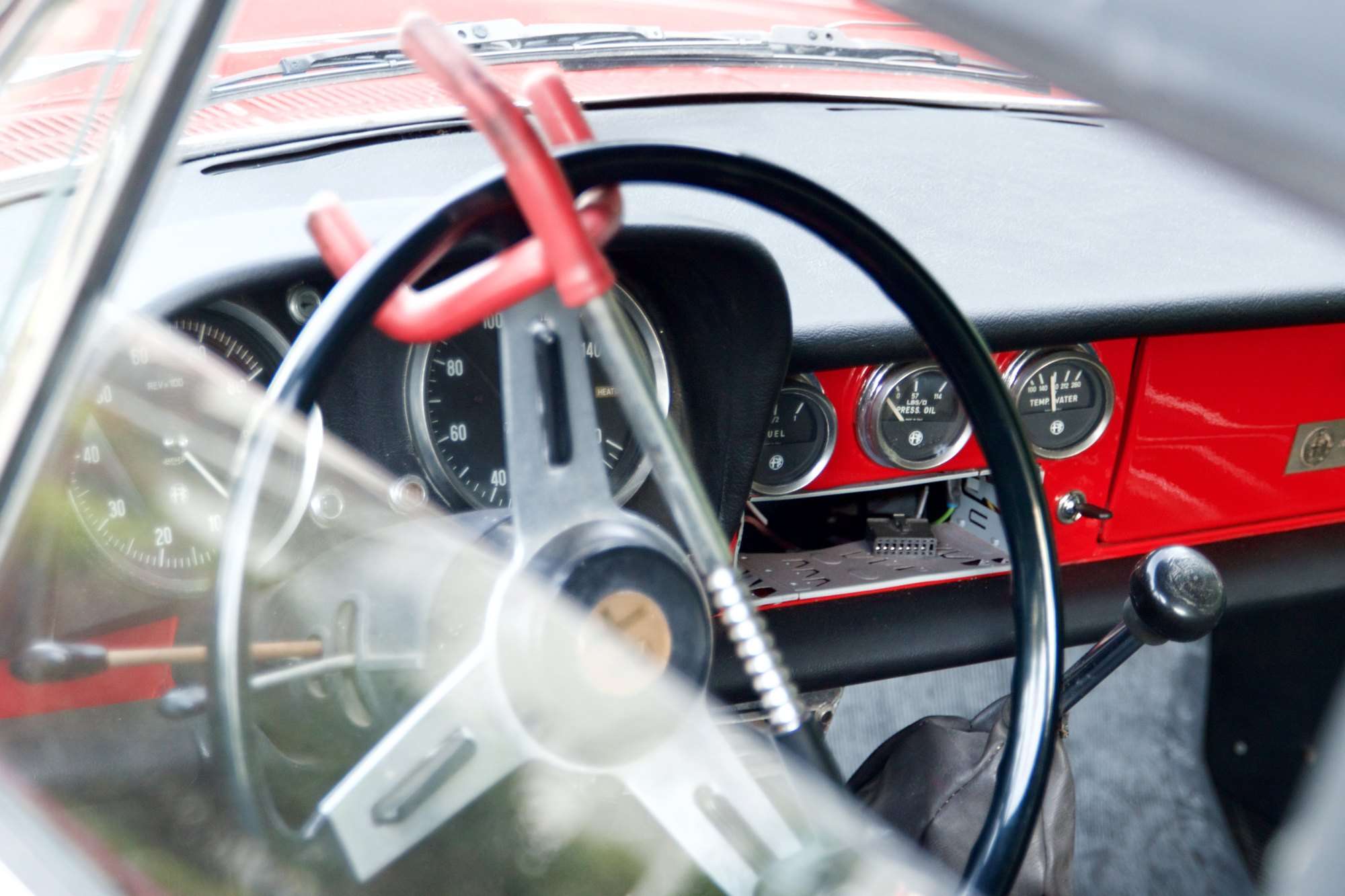
The settlement site lists eligible models by year. Arizona’s attorney general directs Kia owners to 1-844-655-4191 and Hyundai owners to 1-877-409-4173. Surprise police, through ABC15, recommended locking vehicles, parking in a secured garage when possible, using a visible steering-wheel lock and checking whether a car qualifies for the manufacturer’s software update or other anti-theft upgrades.
The terms build in a trade-off. Installing the zinc sleeve closes the restitution window for any later theft of that car, on the logic that it is now harder to steal, and the window closes for everyone on March 31, 2027. Before then, the fund pays whoever files first until the $4.5 million is gone.
For the Surprise family, the Sorento is back and the repair bill is theirs for now. Whether Kia covers any of it depends on what a VIN lookup shows about the car, and on a claim landing before the money runs out.
Has a Kia or Hyundai been stolen from your driveway, or nearly? Did the software fix or a steering-wheel lock actually help?