
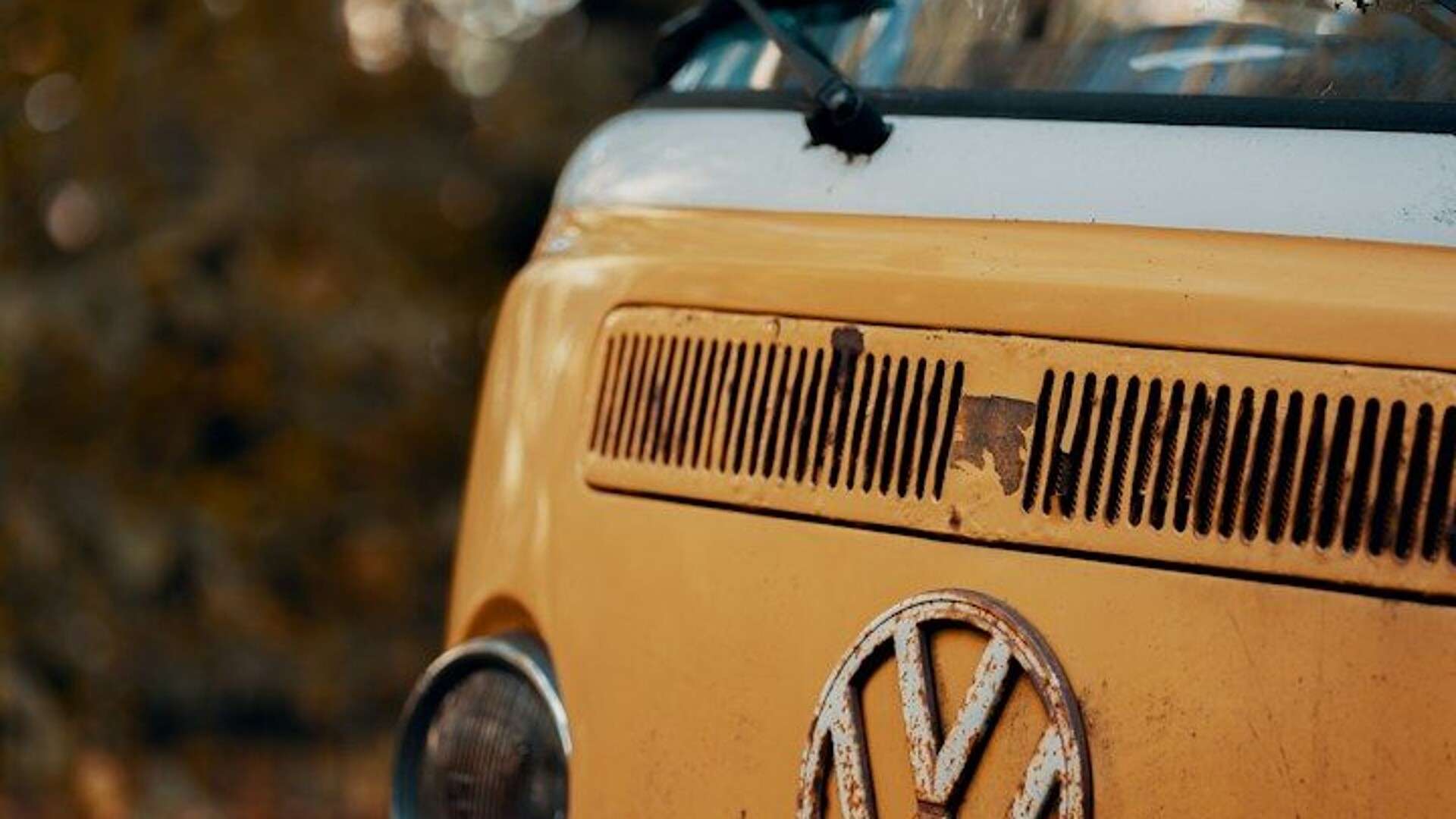
In 1975, Dave Pragnell found what he called “crumpled negatives of colour film” in the glovebox of a yellow 1953 Beetle. A few frames of somebody else’s afternoon, left to crumple in the dark.
Fifty-one years later, the car and the photos have reached Julian Robinson, and he wants to find the people in them.
How the car changed hands
Pragnell is a retired bus mechanic from Waltham Abbey, now 75. He told the BBC he spotted the split-window Beetle in Loughton, Essex, in 1975 and fell for it on the spot. The engine was dead. He bought the car from a student who lived in west London and towed it home. It was registered in Dorset, and Robinson says it first came into the UK in 1966.
Related Articles
- GM’s L87 Recall Set a Cutoff Date and a Fix. NHTSA Is Now Checking Both
- A Texas City Votes Today on 55 Flock Cameras. If Voters Say No, the Mayor Says They Go Dark in 72 Hours
Robinson is 53 and runs a restoration yard in Arlesey, Bedfordshire. He has taken over the search for the people in the photographs. When he posted the pictures online, they passed 200,000 views.
How they found the street
The negatives show a young man lying across the Beetle’s bonnet, a girl sitting in the passenger seat, an older woman standing nearby, and two cars parked on a residential street. One of those cars is a Hillman, which Robinson dates to around 1968. Since Pragnell bought the Beetle in 1975, that puts the photos somewhere between 1968 and 1975. The people in them would now be in their seventies.
The real clue was a “house for sale” sign in one frame. Pragnell and Robinson traced it to Sworders, an estate agent based in Bishop’s Stortford. Robinson then posted in a Bishop’s Stortford community group, where a man named Raphael recognised the street. He had lived on it for 27 years. It’s Hawthorn Close in Takeley, and Raphael has been knocking on his neighbours’ doors to ask around.
Robinson plans to have the Beetle back on the road by summer and to restage the photograph in the same spot. If he can find the original cast, even better.
Why a ’53 is the one to have
A 1953 split-window Beetle is rare. Volkswagen built the split-window body until early 1953, and the last batch is known among enthusiasts as the “Zwitter,” German for hybrid. These cars, built from October 1952 to March 10, 1953, pair the old split-window body with the newer dashboard from the oval-window cars that replaced them, according to this RM Sotheby’s listing. That one sold for $66,000 more than ten years ago. Anyone checking whether a 1953 car is genuine looks at both features: a split rear window with an oval-era dash means a Zwitter.
Related Articles
- Pennsylvania AG Says Lehigh County Dad and Son Sold 12 Stolen Vehicles With Washed Titles, Many on Facebook Marketplace. Dad’s Bail: $450K
- An Off-Duty Deputy Says About Eight LAPD Officers Held Him at Gunpoint During a Sun Valley Traffic Stop. L.A. Tentatively Settled
Correct parts for these cars are hard to find, and a Zwitter puts together parts from two different eras of Beetle. If you fit the wrong dashboard or the wrong window trim, you’ve lowered the car’s value and erased part of its history.
The UK paperwork
Putting a 73-year-old Beetle back on British roads comes with paperwork, and some of it saves money.
- Tax: Vehicles built before January 1, 1986 can move into the historic tax class and stop paying vehicle tax. The owner still has to apply.
- MOT: Cars built or first registered more than 40 years ago are exempt from the MOT unless they’ve been “substantially changed.” For a restorer, a modern engine swap or a heavily modified chassis brings the annual test back.
- Registration plate: If the car’s original number has been lost, DVLA’s V765 scheme can give it back. You need an endorsement from an owners’ club and evidence linking the chassis to the original number, ideally the old logbook. Otherwise the car gets an age-related plate, which is fine on paper but doesn’t carry the same history.
Get agreed-value cover early. A standard policy pays what the insurer thinks the car is worth, which is a bad bet on a Zwitter.
Before you strip anything, search the car
Empty the glovebox, the door pockets and the space under the rear seat before stripping anything. Old negatives, receipts and service stamps are what make a car’s history provable. If you find film, have it scanned professionally before handling it much. Colour negatives from the 1960s and 1970s fade and become brittle, and handling them is what damages them.
The Beetle kept these photos for half a century. Robinson is now trying to find out whether anyone on a quiet street in Takeley remembers posing with it. Ever pull something odd out of a car you bought, and did you ever find out whose it was?