
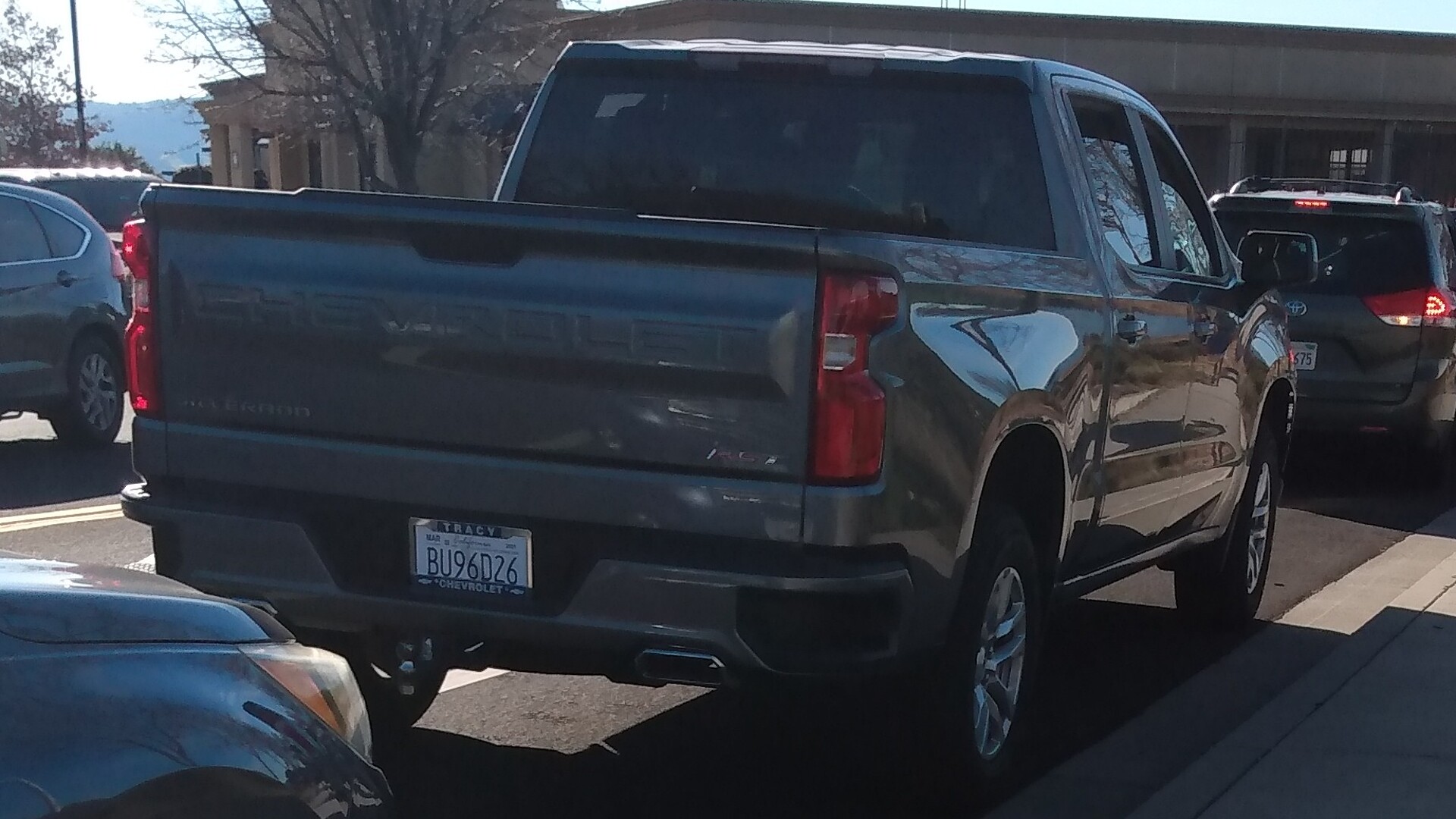
NHTSA’s count of L87 engine failure reports has gone from 139 in February to 946 in September, and the agency’s L87 engine investigation now has failures on both sides of the line GM drew around its recall: in trucks that already had the repair, and in engines built after the recall’s cutoff date.
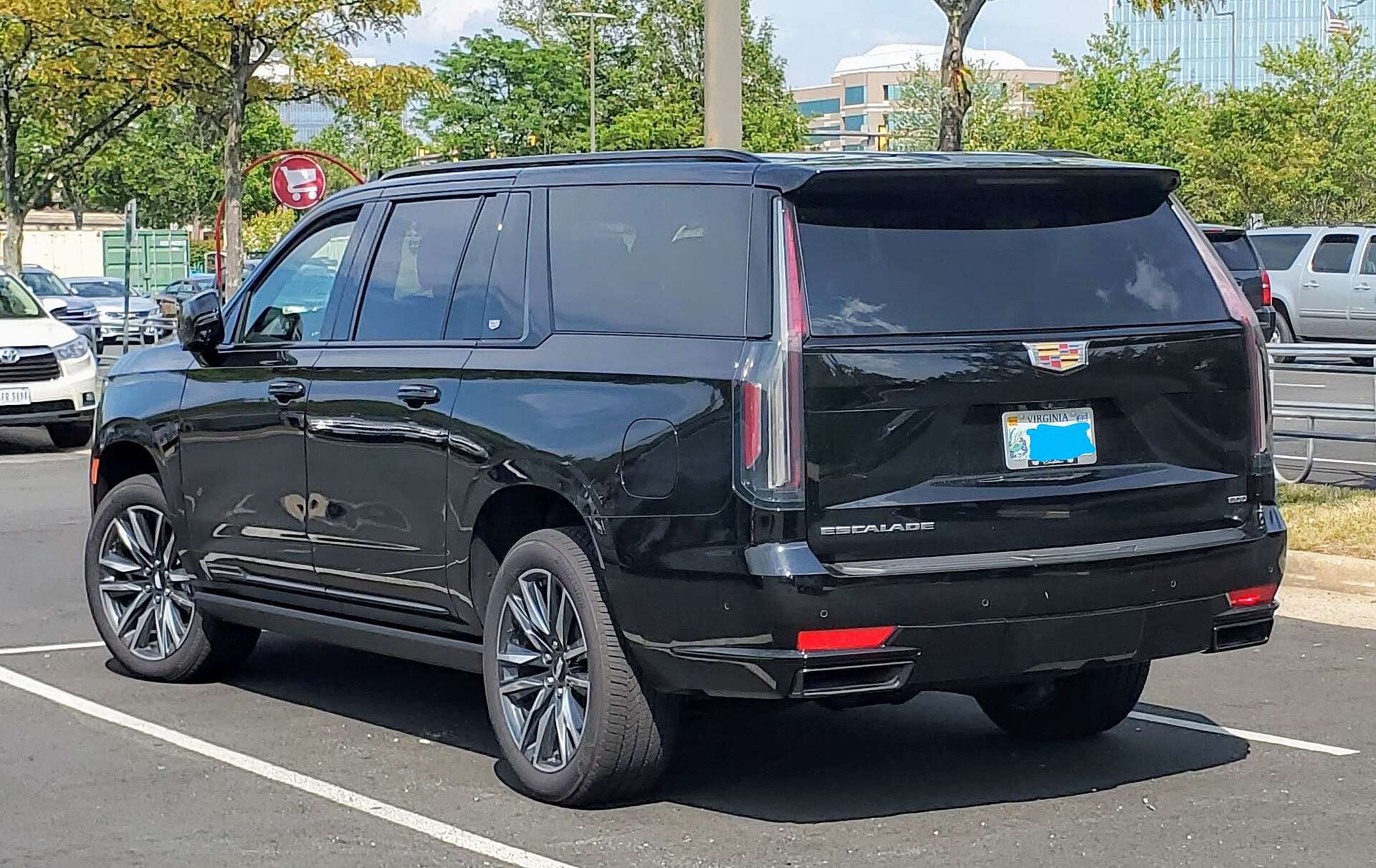
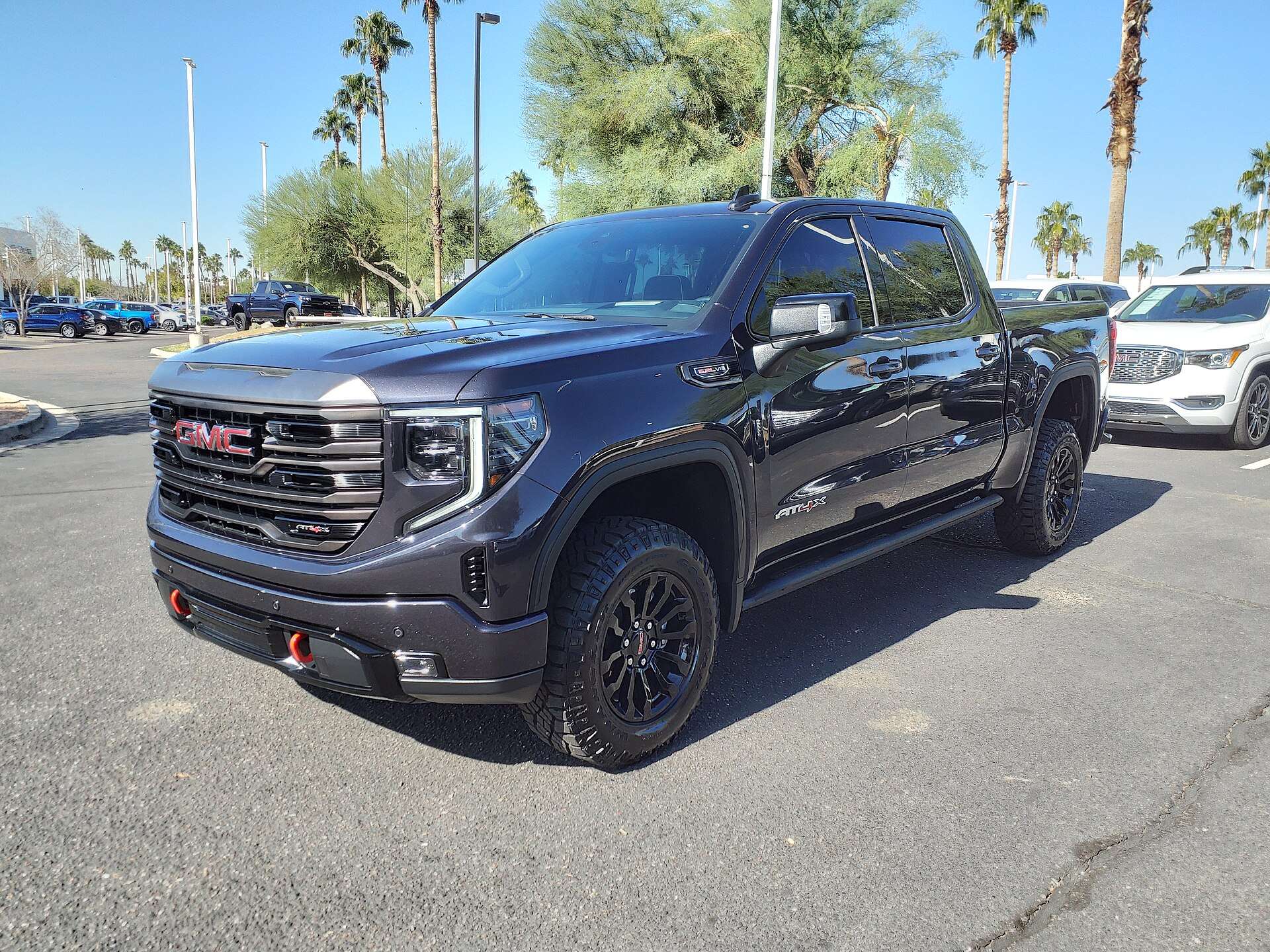
On August 20, the opening resolution for Engineering Analysis EA26005 put the population at 997,743 model year 2021 to 2026 vehicles with the 6.2-liter L87 V8. The September 15 information request to GM lists them as the Silverado 1500, Sierra 1500, Tahoe, Suburban, Yukon, Yukon XL, Escalade and Escalade ESV. An engineering analysis is the stage of an NHTSA defect investigation that follows a preliminary evaluation, and it ends either with the case closed or with the agency asking the manufacturer to recall.
What the L87 engine investigation counts
The opening resolution gives three numbers. NHTSA’s Office of Defects Investigation has 499 complaints of engine failure after the recall repair in vehicles covered by Recall 25V-274. Of those, 473 involved an oil viscosity change and 26 involved a complete engine replacement. It also has 191 reports of L87 failures in engines built after the recall’s production period. GM told the agency it has received 6,953 complaints of post-remedy engine failure.
The September 15 letter cites 946 reports and describes the alleged defect as “Engine seizure due to internal engine component failure.” The 499 and 191 add up to 690, and neither document explains how that relates to 946. The earlier figure is in NHTSA’s February 17 letter opening the recall query, which cited 139 reports. We covered the first stretch of that climb when the recall query opened.
What the recall covered and what it fixed
GM’s April 24, 2025 Part 573 report put 597,630 vehicles in Recall 25V-274, all with L87 engines built between March 1, 2021 and May 31, 2024, and estimated that 3% of them had the defect. That is about 17,900 vehicles by The Auto Wire’s arithmetic. GM’s teardown analysis found two supplier problems: sediment on the connecting rods and in the crankshaft oil galleries that damaged rod bearings, and crankshaft dimensions and surface finish outside specification.
Dealers inspect each engine and repair or replace it as needed. Engines that pass the inspection get higher-viscosity oil, a new oil fill cap, a new oil filter and an owner’s manual insert.
Why 473 of 499 does not settle it
The 473 oil-change complaints are 94.8% of the 499, which looks lopsided. It measures nothing until it is divided by how many trucks received each repair. If 95% of repaired trucks got the oil change, 95% of the complaints would come from them too. NHTSA has been asking for that denominator since February 17, when it requested GM’s recall completion rate by model year and by remedy type, plus any tests or studies on whether the viscosity change is an effective remedy. The September letter asks again, this time vehicle by vehicle, for each recall completion date and remedy type. The resolution states no finding on whether either remedy works.
The cutoff date is now part of the case
The recall window closes May 31, 2024. GM’s report says manufacturing improvements made on or before June 1, 2024 addressed the contamination and quality problems, and that replacement rods and crankshafts were built after the suppliers’ suspect window. The 191 reports from later engines are the first test of that claim in NHTSA’s file, and the agency has widened the investigation to include them.
The investigation’s population is 997,743 vehicles against the recall’s 597,630. By The Auto Wire’s subtraction, about 400,000 of them fall outside Recall 25V-274. Each report is an allegation made to NHTSA, not a confirmed failure, and nothing in the opening resolution says the later engines share the defect. NHTSA is looking at a different engine problem on another V8 as well: a petition about oil pressure in Ford’s 7.3L V8 is under review.
Checking your own truck
The certification label on the driver’s door jamb gives the manufacture date. A 6.2-liter truck or SUV built between March 1, 2021 and May 31, 2024 falls inside Recall 25V-274, and the lookup at NHTSA’s recall page shows whether the repair has been done. A later build date means the vehicle is outside that recall. Complaints filed through NHTSA’s safety problem form are what produced the 191 later-engine reports, so an owner of a later truck who has had a failure is part of the record the agency is building.
GM’s response to the September 15 letter was due October 30, and The Auto Wire found no public record of what the company sent. When NHTSA posts it, the number to find is the split of completed repairs by remedy type, because that is what turns 473 and 26 into rates.
If you own a 6.2 that went through the recall, what did the dealer actually do to it, and has it held up since?