
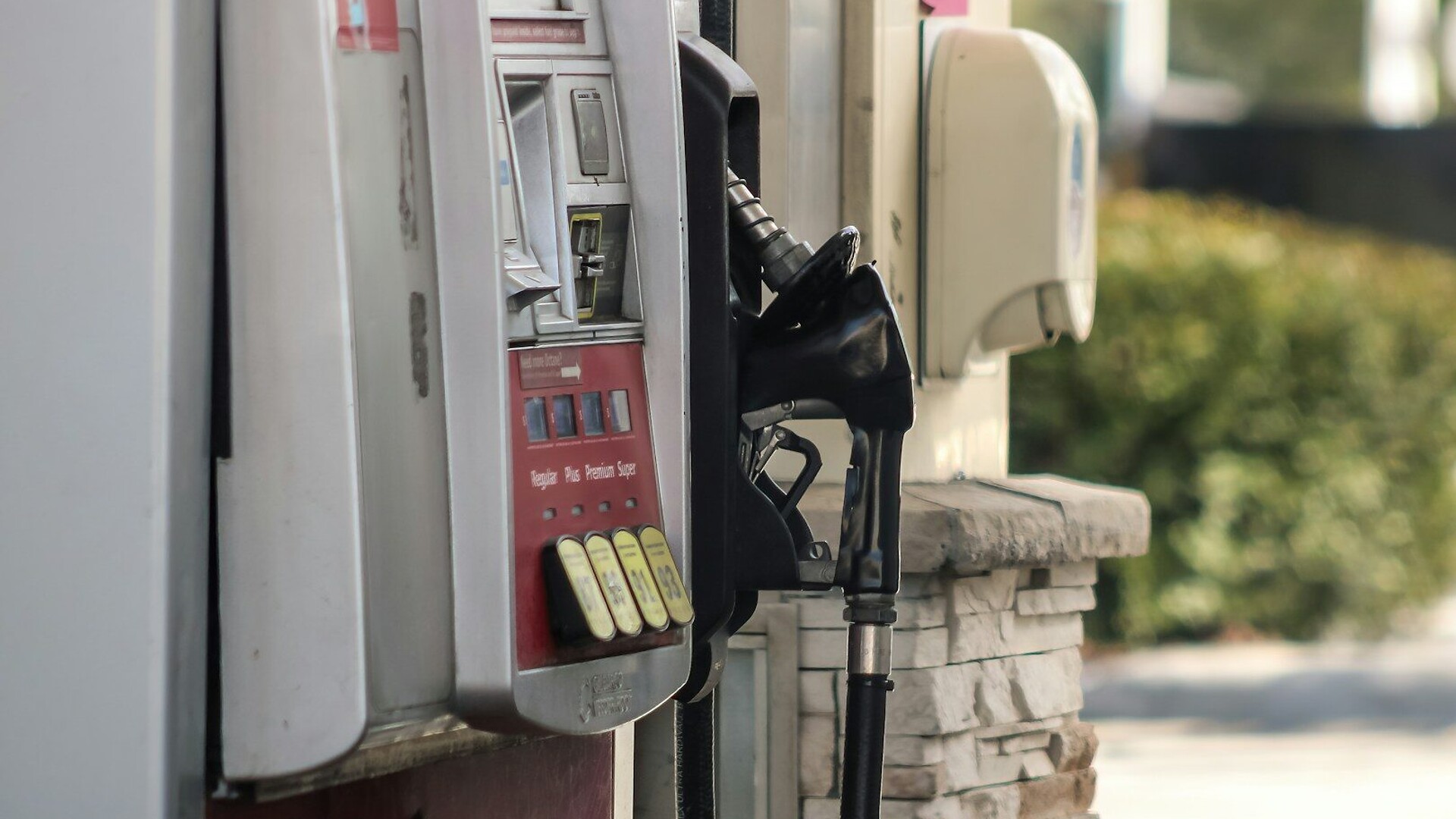
Every gas pump in America shows a number and a name. The number is regulated. The name isn’t. A new federal lawsuit argues that the name is where drivers get misled.
Toni Phillips of Patchogue, New York, sued 7-Eleven, Inc. in the U.S. District Court for the Eastern District of New York on November 12, 2026, in case No. 2:26-cv-07329. According to the class action complaint, she regularly bought premium gasoline at her local 7-Eleven for a Cadillac that does not require it. Her claim is that 7-Eleven’s grade names persuaded her it was worth the extra money.
What the complaint actually targets
Read the filing closely and you won’t find a glossy ad promising more horsepower. The complaint focuses on the “premium” and “mid-grade” category names on 7-Eleven’s pumps. It argues 7-Eleven could label fuel by octane number alone, and says the pumps look identical across grades with no disclaimers. It refers to representations “on gas pumps and in advertising” but doesn’t quote any specific advertising.
Related Articles
- Ohio Gave Honda a 30-Year Tax Credit for Its EV Hub in 2022, Then Amended Honda’s Credit for a $3 Billion Hybrid Plant
- Who Runs GM After Barra? Board Quietly Opens the Search to Outsiders
The case argues that the word “premium” is itself the misleading claim. That’s an aggressive theory. Almost every fuel retailer in the country uses the same three-tier naming, so if this argument succeeds, it reaches far beyond one convenience-store chain.
There are three counts. Two are under New York General Business Law: Section 349, covering deceptive practices, which allows actual damages or $50 in statutory damages, and Section 350, covering false advertising, which allows actual damages or $500. Both can be trebled. The third count is unjust enrichment. The proposed classes are a nationwide class of anyone in the U.S. who bought the fuel during the limitations period, plus a New York subclass.
What federal law does and doesn’t cover
Under the FTC’s Fuel Rating Rule, retailers must post the fuel rating on every face of every dispenser, close to the price. The label is a 3-by-2½-inch yellow decal showing the octane number above the words “Minimum Octane Rating” and “(R + M)/2 METHOD.” Nothing else may appear on that label.
The rule does not regulate grade names at all. The yellow label tells you the number. The big “Premium” button above it is pure marketing. That gap is where this lawsuit sits.
The engineering behind it
Octane isn’t a measure of energy. It measures resistance to knock, which is fuel igniting on its own from heat and pressure before the spark fires. Engines with high compression or forced induction need that resistance. An engine designed for 87 octane gets nothing extra from 93, because its spark timing is already where it wants to be. There’s no knock margin left to use.
In 2016, AAA’s research estimated that American drivers wasted more than $2.1 billion in a year putting premium in vehicles designed for regular. Using industry-standard test protocols for performance, fuel economy and emissions, AAA found no benefit to premium in a vehicle that only requires regular. AAA’s engineers summed it up: premium gasoline is “higher octane, not higher quality.”
Related Articles
- Japan’s Automakers Are Writing One Spec for Steel, Plastic and Wiring. Using It Will Be Optional.
- Mercedes Will Let Select California Owners Go Hands-Free at 85 MPH in December, but Its Fine Print Says They’re Still the Driver
That study did not test the opposite case: using regular in an engine that requires premium. That’s the gap Phillips’s Cadillac may fall into.
“Required” vs. “recommended”
Manufacturers use three different instructions: premium required, premium recommended, and regular. A “recommended” engine runs safely on 87. Its knock sensors detect the onset of knock and the ECU retards ignition timing, which costs a little power, typically noticeable only at wide-open throttle on a hot day. A “required” engine can run on 87 in a pinch, but doing it routinely risks knock damage and may cause trouble with a warranty claim. Several Cadillac powertrains fall into the recommended or required categories, so the complaint’s statement that her car “does not require it” will draw close scrutiny from the defense. The owner’s manual, not the pump, decides this.
The money
The complaint says premium and midgrade cost roughly $0.30 to $0.50 more per gallon than regular, and cites figures showing the premium-to-regular gap has widened to more than $1 in 2026. Those are the plaintiff’s numbers, not court findings. At the low end, 30 cents a gallon on a 15-gallon weekly fill is about $234 a year.
What to watch
The defense is easy to predict. The octane number is posted exactly as federal law requires, the product is accurately described, and “premium” is a standard industry term, not a promise of performance. Whether a New York court finds that a reasonable consumer is misled by the grade name, despite the legally required yellow label, will decide whether this case survives a motion to dismiss.
Check your owner’s manual or fuel door. If it says regular, buy regular. If you want to spend more on your engine, AAA’s advice is to buy a detergent-certified TOP TIER fuel at the octane your car calls for, not a higher octane.
Be honest: have you ever put premium in a car that says “regular” on the fuel door, just because it felt like the nicer thing to do?