
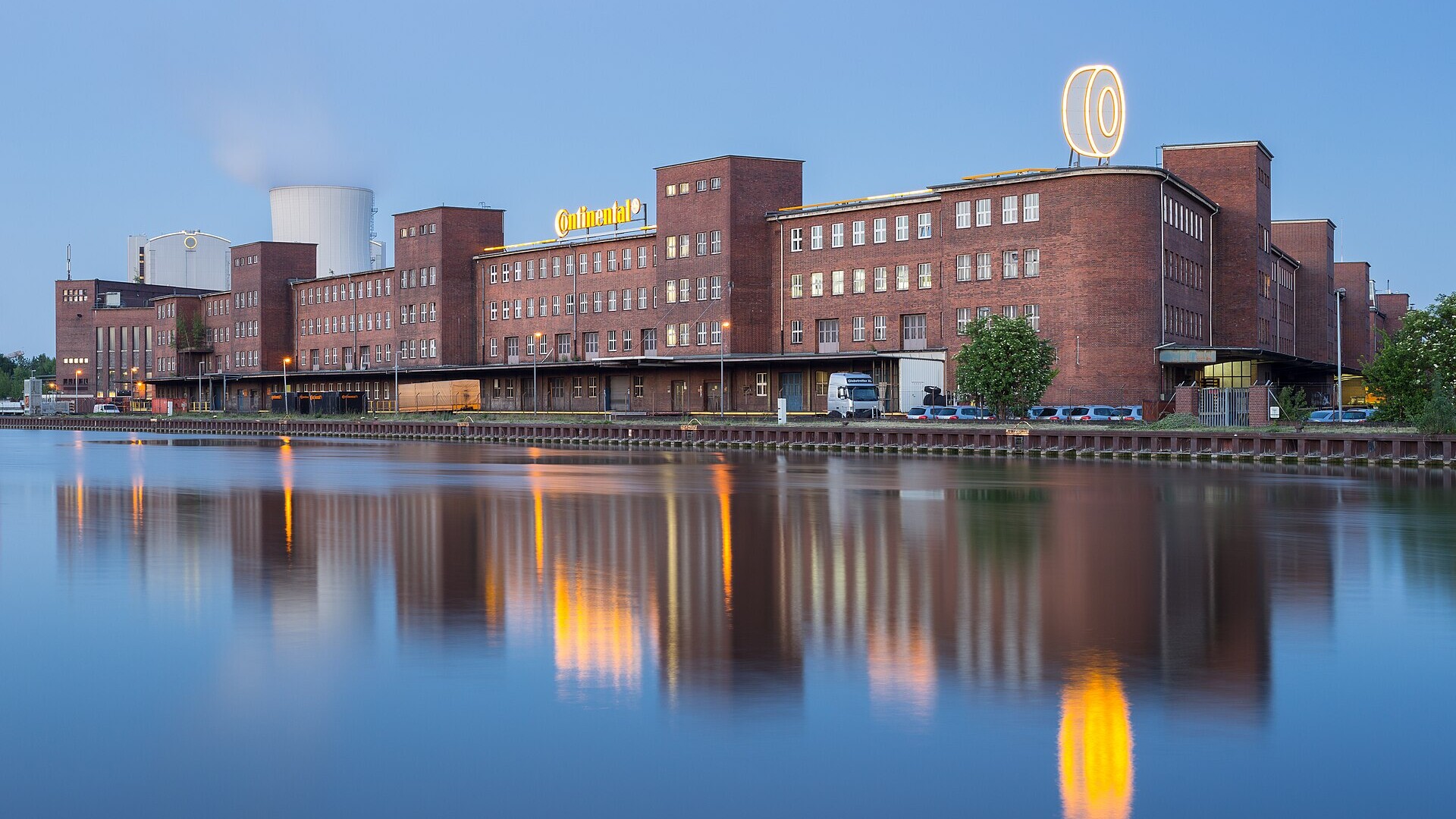
Continental, the German company that sells General Tire and Continental-brand tires across the U.S., said on November 20 that it is considering ending production at its only African tire factory, a 79-year-old plant in Gqeberha, South Africa, that was co-founded by Akron’s General Tire. It is the latest in a string of tire-industry plant shutdowns, and the reason Continental gives is cheap imports, the same pressure that Washington’s tariffs and trade duties are supposed to keep off American factory floors. About 950 jobs are at risk.
What Continental announced in Gqeberha
In its November 20 release, Continental said it had opened a formal consultation under Section 189A of South Africa’s Labour Relations Act, the provision that governs large layoffs and requires employers to consult workers before dismissing them. If the talks turn up no workable alternative, production at the Gqeberha site could stop in early 2027. The company blamed years of underused capacity despite turnaround efforts, competition from low-cost imported tires, higher energy costs, supply-chain disruptions and unreliable infrastructure.
Continental is keeping the sales side. Its Gqeberha-based sales organization will go on serving South Africa and the rest of the continent, and its BestDrive retail chain is not affected. The company would still sell tires to South African drivers. It would stop making them there.
The plant has deep American roots. According to Continental Tyre South Africa’s own history, it opened in 1947 as General Tire South Africa, a venture between the local Williams Hunt Group and General Tire USA. Continental-brand tires went into production there in 1985, and Continental AG has owned the operation outright since 2013. The company’s 2021 anniversary release put local employment at around 1,100 people, and the company says the plant supplies most carmakers building vehicles in South Africa.
Why an underloaded tire plant bleeds money
A tire factory is built around its curing presses, the heated molds where a green tire is vulcanized into its finished shape under pressure, and around the boilers that make the steam for that step. Those assets cost roughly the same to own and keep hot whether the presses are full or half empty. When volume falls, the cost of every tire that does come out of the mold goes up, which makes the plant even less competitive against imports. That spiral is what “years of underused capacity” means on a balance sheet.
Continental had been spending to keep Gqeberha current. In March the company said the plant had replaced coal with biomass, backed up by liquefied petroleum gas, to raise steam for production, part of a switch away from coal and heavy fuel oil across all of its tire plants. Eight months later, the same factory is up for closure. Cleaner steam did not fix the problem of too few tires going through the presses.
South Africa’s duties did not hold the line
South Africa has charged antidumping duties on passenger, truck and bus tires from China since 2023, under a notice in Government Gazette No. 49047 dated July 28, 2023. Local makers then argued that Chinese tires were being routed through Cambodia, Thailand and Vietnam to dodge those duties. The International Trade Administration Commission opened an anti-circumvention investigation, and in Notice 3863 of 2026 it terminated that probe because the 18-month deadline set by the country’s anti-dumping regulations had lapsed. The trade minister directed that the process be started again.
That is the gap a plant manager watches: a duty on one country, a route around it through the neighbors, and a regulator that ran out of time. The South African Tyre Manufacturers Conference said in a November 20 statement that Continental is the second major global tire brand to propose leaving local manufacturing within 15 months, with about 1,800 jobs lost across the industry over that period, and it blamed what it called “uncontrolled import penetration.”
The first was Goodyear, another company that grew up in Akron. Daily Maverick reported in June 2025 that Goodyear would close its Kariega tire plant in the same metro area after 78 years, putting about 900 jobs at risk. Goodyear also kept its South African sales and retail business. Two American-born factories in one metro region, both closed or proposed for closure, with both brands still on sale: that is how a market turns from a production base into a distribution territory.

The U.S. version of this fight is open right now
American tire buyers are inside a live trade case on the same question. In 2021 the U.S. International Trade Commission voted 4–1 that imports of passenger and light-truck tires from South Korea, Taiwan and Thailand, sold below fair value, and subsidized tires from Vietnam were injuring U.S. producers. That led to antidumping orders on the first three countries and a countervailing duty order on Vietnam. The ITC put 2020 imports from those four countries at $4.4 billion, with another $5.5 billion coming from countries outside the case.
Those orders are now up for their five-year review. The Commission opened the reviews on June 1, and on September 4 it voted to conduct full reviews of all four orders, including Taiwan, where it found the foreign producers’ response inadequate but went ahead for administrative efficiency. As of the September 22 notice, no schedule had been set. The question the ITC has to answer is whether lifting the duties would likely bring back material injury to the U.S. industry. Gqeberha is a working example of what that injury looks like when it runs its full course.
Continental has a lot riding on the U.S. side. Its manufacturing page lists 19 tire plants in 16 countries, four of them in the U.S.: Clinton, Mississippi; Mount Vernon, Illinois; Plymouth, Indiana; and Sumter, South Carolina. Its third-quarter results show why North America gets attention. The Americas tire business posted €1.1 billion in sales, down 5.0 percent, with an adjusted EBIT margin of 8.7 percent. The Europe, Middle East and Africa business, which includes Gqeberha, earned 18.7 percent on €1.9 billion. Continental said lower tariff costs helped the Americas result and that it wants to strengthen its position in the U.S. and Canada on the way back to double-digit margins there.
The EMEA figure matters for the South African story. The region that contains Gqeberha is Continental’s most profitable tire business, and the company is still proposing to close the plant. The trouble at Gqeberha is the plant’s own volume. Continental can serve South African customers from factories that are already full, and the tires those factories ship into South Africa compete with the same cheap imports.
What to watch at the tire counter
In South Africa, the next marker is the end of the Section 189A consultation and whether the union and government produce anything that changes Continental’s math before early 2027. Watch also whether the restarted anti-circumvention case closes the routing gap before more capacity leaves.
In the U.S., the ITC’s review schedule is the date to circle. If the duties on tires from Korea, Taiwan, Thailand and Vietnam lapse, the mid-priced imported tires that fill a lot of shop racks could get cheaper, and the four domestic plants Continental runs here, along with every other U.S. tire factory, would face the volume pressure that Gqeberha could not survive. If the duties stay, the shopper keeps paying for that protection on every set of four.
Next time you buy a set of four, will you check the sidewall for where they were made? Would “Made in USA” be worth paying extra for, and how much?