
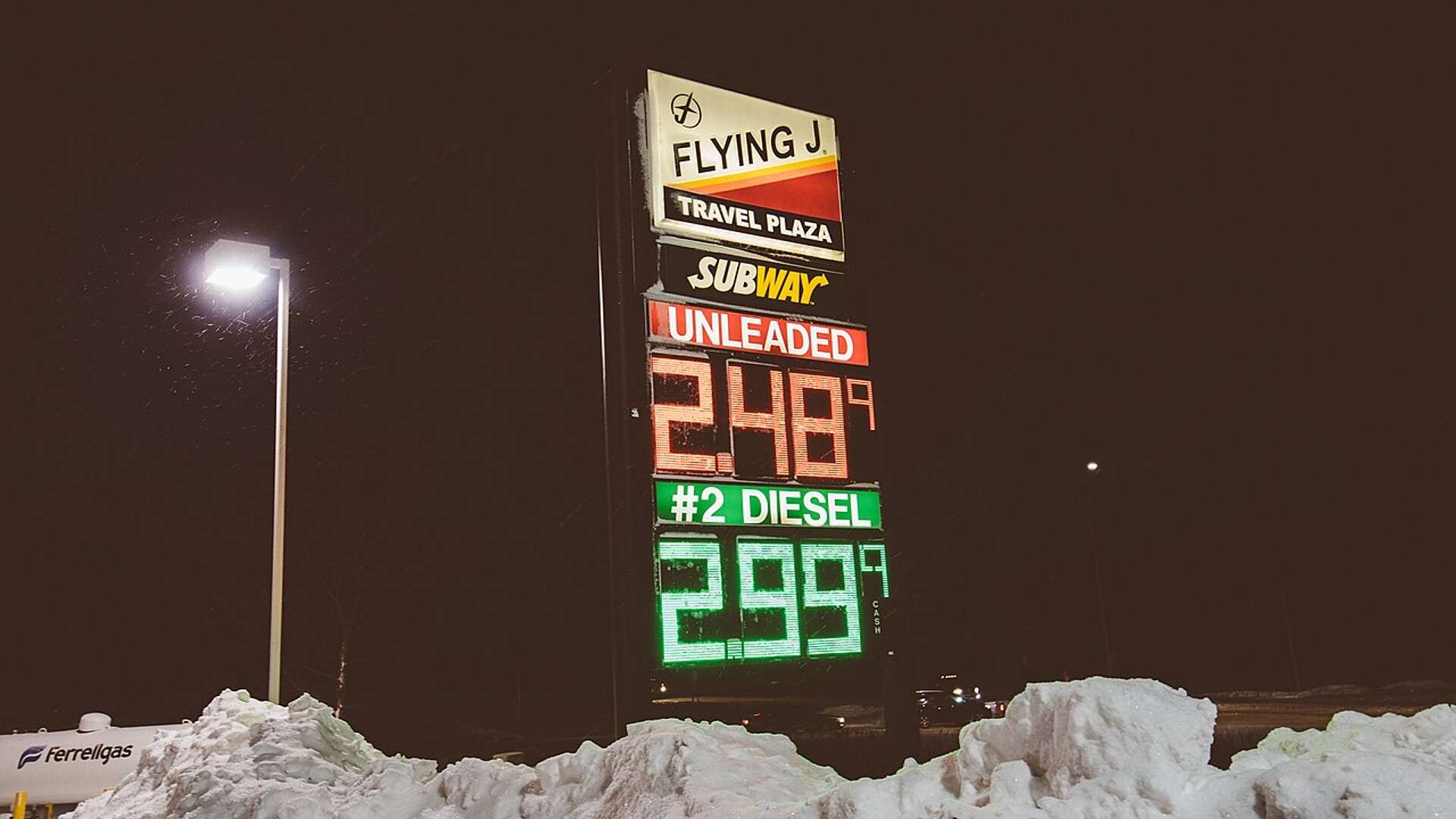
Regular gasoline averaged $4.269 a gallon nationwide on October 26, which is $1.234 more than a year earlier, according to the Energy Information Administration’s weekly survey. On-highway diesel averaged $6.352, up $2.634. The Middle East conflict that was already cutting Strait of Hormuz shipments when EIA published its March outlook is still setting those prices, and anyone shopping for a car this fall is shopping against them.
Hybrids are the ones cashing in. Plug-in cars lost their federal tax credit a year before this price spike. Hybrids never qualified for that credit, and they are the vehicles gaining share while fuel gets more expensive.
Gasoline is the one cost that moved
The Bureau of Labor Statistics reported that gasoline prices rose 34.2 percent over the 12 months ended September 2026, against 3.7 percent for all items. Over the same period new vehicle prices rose 0.6 percent, used cars and trucks fell 1.5 percent, and motor vehicle insurance fell 5.0 percent. Maintenance and repair rose 5.8 percent.
The crude side is volatile. EIA’s October Short-Term Energy Outlook says Brent averaged $114 a barrel in September, $23 above August, with a daily peak of $131 on September 15. Attacks on Saudi Arabia’s East-West pipeline temporarily halted a bypass route that had been moving more than 5.0 million barrels a day through the port of Yanbu, and flows partly resumed on September 22. In March, EIA expected Brent to reach about $70 by year-end. Its fourth-quarter forecast now is $105.
Hybrids never lost a tax credit
The IRS says the new clean vehicle credit is “not available for vehicles acquired after Sept. 30, 2025.” Conventional hybrids were not eligible for it in the first place, so they had no cliff to fall off. In a July 27 analysis built on Omdia estimates, EIA put hybrids at a record 16 percent of new light-duty vehicle sales in the second quarter of 2026. Battery-electric vehicles were 6 percent, down from 7 percent a year earlier, and plug-in hybrids were 1.4 percent, down from 1.9 percent. The three categories combined rose from 22 percent to 24 percent, which means the electrified total grew only because hybrids did. A separate September 30 EIA piece estimated that new EV sales fell 19 percent in the first half of 2026 compared with the second half of 2025.
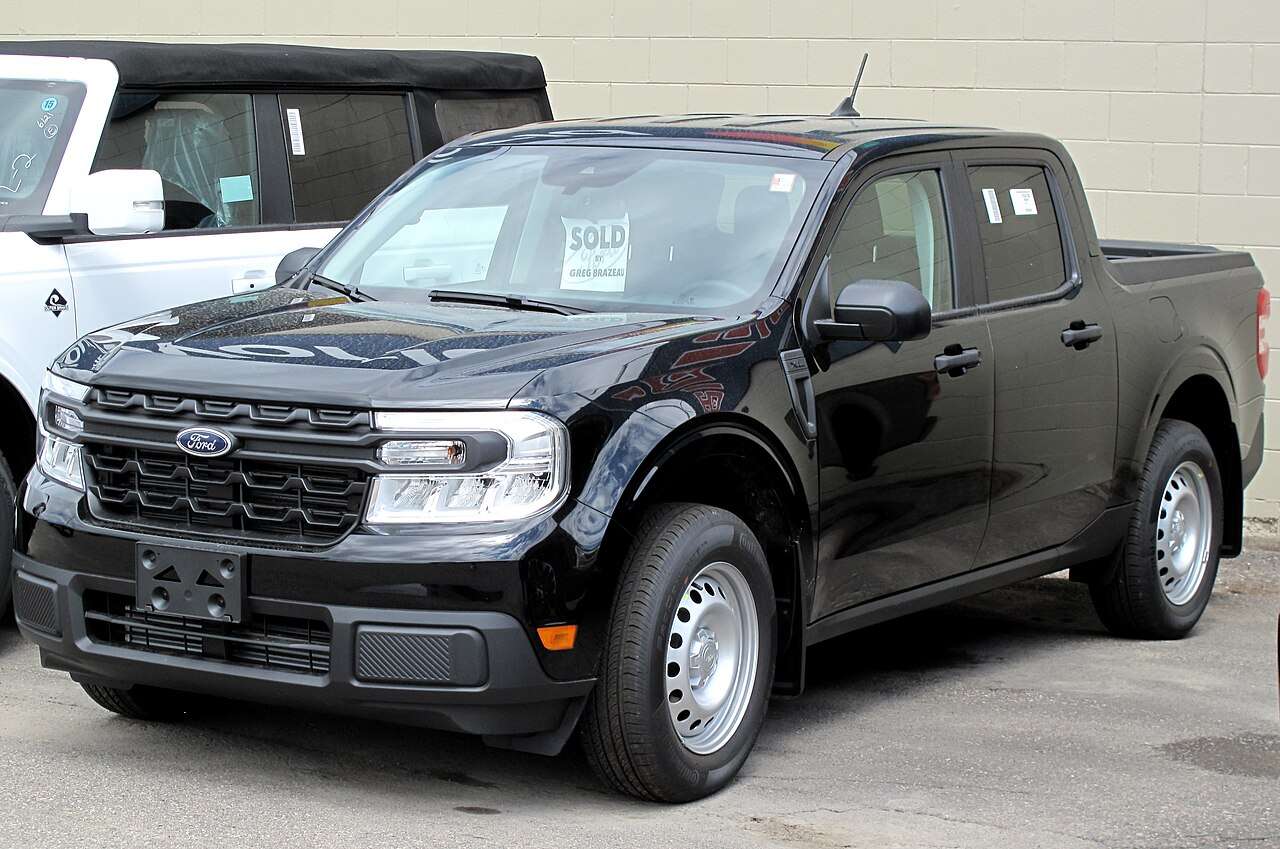
Ford’s third-quarter numbers fit the same picture. The company’s sales release shows Maverick Hybrid at a quarterly record of 27,793 pickups, up 59.6 percent. Its earnings release shows Model e wholesales down 31 percent to 34,000 units, with a $1.1 billion EBIT loss for the quarter and a full-year loss guided to about $4 billion.
Two limits apply to this reading. EIA’s comparisons are year over year and do not isolate the effect of the credit expiring. And the second-quarter share predates September’s price peak, while federal third-quarter share data is not out yet, so whether $114 Brent has moved EV demand is not visible in the government numbers.
What 15,000 miles costs at $4.27
The fueleconomy.gov worked example assumes 15,000 miles a year and $3.70 fuel, and puts the gap between a 20-mpg vehicle and a 30-mpg vehicle at $925 a year. At October 26’s $4.269, The Auto Wire’s math makes that gap about $1,067: 750 gallons for the 20-mpg vehicle comes to roughly $3,202, and 500 gallons for the 30-mpg vehicle comes to roughly $2,135. At last year’s $3.035, the 20-mpg driver spent about $2,276, so the increase is roughly $925 a year for that driver and roughly $617 for the 30-mpg driver.
A hybrid shaves that bill and asks nothing of your garage: no charger, no electrician. Electricity is rising too, but far more slowly: BLS has household electricity up 4.4 percent over the year, and EIA’s October release forecasts wholesale power averaging $52 per megawatt-hour in 2026, up 11 percent. An EV driver’s running-cost advantage has widened, but the buyer now pays full sticker price to get it.
Diesel buyers carry the bigger gap
Diesel at $6.352 sits $2.083 above gasoline. The cause is distillate supply: EIA’s October release says East Coast distillate inventories were 32 percent below their five-year seasonal average in September and are forecast to stay 20 to 30 percent below average through winter. EIA expects diesel to stay above $6 in October and to average about $4.50 in 2027.
The people burning diesel are mostly working. Ford’s earnings release shows Ford Pro EBIT down 16 percent to $1.7 billion, citing higher commodity costs and launch costs, and Ford Blue EBIT down 10 percent to $1.4 billion, with the Middle East conflict and higher commodity costs named among the causes. Ford’s guidance assumes about $2.5 billion in year-over-year commodity headwinds and excludes a significant escalation of the conflict.
A multi-year purchase against a six-month spike
EIA forecasts Brent at $87 by the second quarter of 2027 and $74 in the fourth quarter, with U.S. retail gasoline averaging $3.91 in 2026 and $3.56 in 2027, against $3.10 in 2025. Even that easing path leaves 2027 gasoline 46 cents above 2025. The same outlook raised its fourth-quarter Brent forecast by $14 in a single month. Budget for a range: $3.56 if prices ease the way EIA expects, a good deal more if another pipeline gets hit.
The cheap way out is narrowing too: used cars under $15,000 are scarcer than a year ago, and GM Financial has set aside 39 percent more for loans that go bad.
Watch Brent against $100, and watch third-quarter EV share when the federal numbers land. Ford’s Model e will either shrink its losses while Maverick Hybrid climbs, or it won’t. Your last fill-up: what did it run against a year ago, and did it move a hybrid up your list?