
A cartel doesn’t have to hot-wire a Ram. It can rent one, and in some states the rental company can’t report it stolen for up to nine days.
Under Texas Penal Code Section 31.04, a renter who keeps a vehicle worth $10,000 or more is presumed to have meant not to pay for it only after failing to return it within two days of receiving a written demand.
In Laredo, where Deputy Police Chief Timothy Tubbs says rental-car thefts are up 50%, to about 10 a month, Mexico is across the Rio Grande from downtown.
Mexican cartels are working that gap between the drive and the paperwork, according to an investigation by the Los Angeles Times and the Puente News Collaborative published Oct. 11, with a version carried by El Paso public broadcaster KTEP the next day. The trucks aren’t hot-wired. They’re rented, under stolen names or by people paid to rent them, and driven south while the rental company is still legally treating them as late. Every obvious fix, from faster theft reports to instant GPS tracking, collides with privacy law or with the renters who have been wrongly arrested over bad theft reports. California tried a narrow fix that took effect in January. The rental industry says the problem is getting worse anyway.
Rams from airport lots, an Escalade behind hay bales
Reporter Steve Fisher’s account is built on recovery investigators, police and rental operators, and the vehicles they name are big, expensive and built for rough roads: Chevrolet Suburbans, Ford Raptors, Toyota pickups, Jeep Wranglers, Ram trucks, Cadillac Escalades and BMW SUVs. Los Angeles police Sgt. Juvey Mejia, a member of the Task Force for Regional Auto Theft Prevention, described the shopping list as “Anything that can drive through tough terrain to get away from border patrol so they can move dope.”
According to private investigators cited in the report, 10 new Ram pickups were taken from airports in Oakland, Los Angeles and Las Vegas early this year and ended up in parts of Jalisco state controlled by the New Generation Jalisco Cartel; one was recovered with the Mexican army’s help. Six 2026 Jeep Wranglers left Oakland and Las Vegas the same way, and four have been recovered. The same investigators were asked in early October to find a dozen Rams tracked to Sinaloa and seven to Durango.
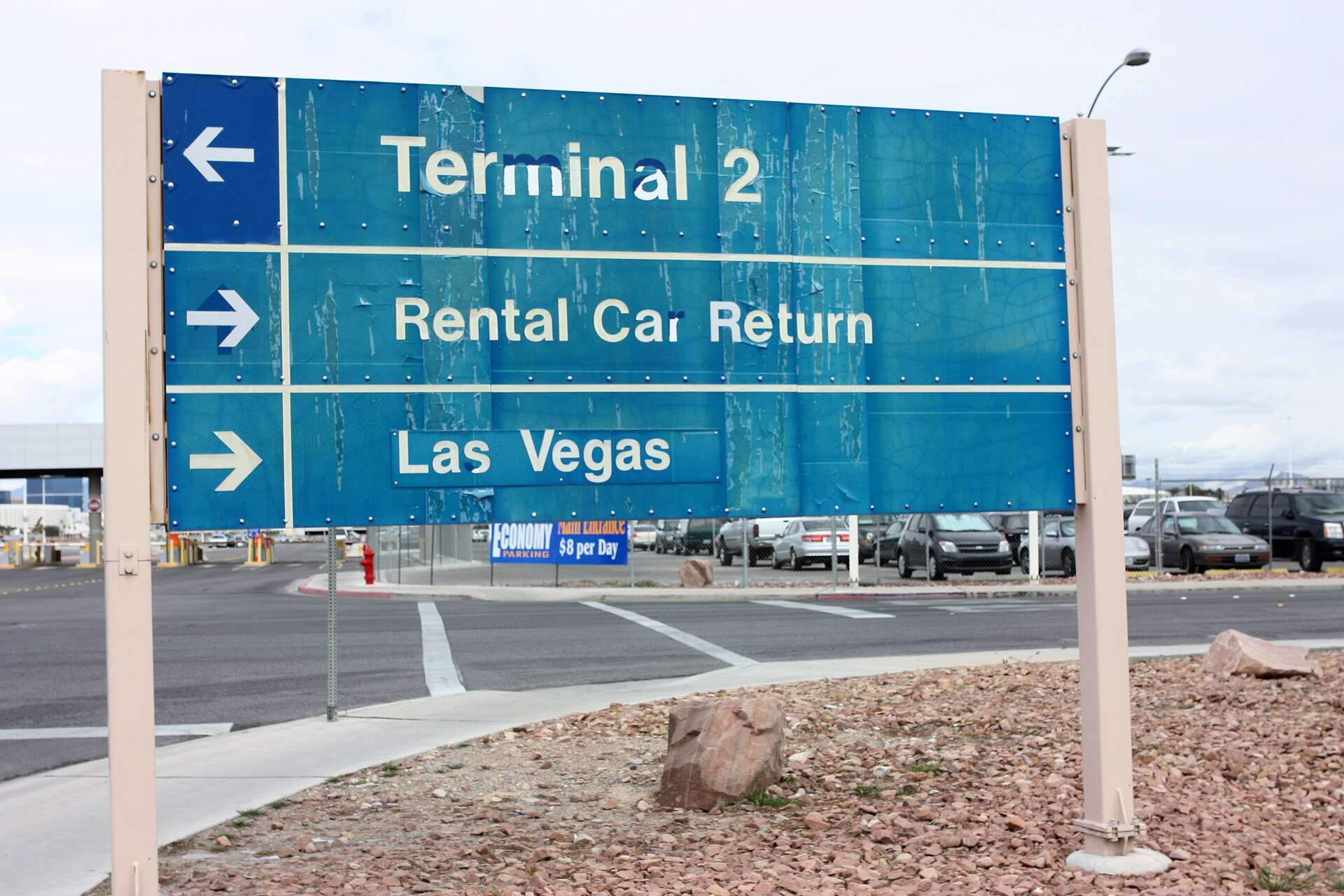
Nobody knows the total. The California Highway Patrol says about 850 vehicles stolen in California have been recovered in Mexico each year since 2023, but those figures don’t separate rentals from privately owned cars, and they count only what came back. The investigation describes two methods. In one, an operative rents online or at a self-service kiosk with a stolen identity, sometimes wearing a mask that draws no attention at a counter that got used to masks during the pandemic. In the other, the cartel recruits someone on social media to rent the vehicle for five days, buy the damage waiver, and leave the keys inside on the rental lot for a driver who takes it south.
Kevin Carter, who owns the Texas recovery firm Collateral Consultants, put the cartel’s logic in rental terms: “There’s no sense in them buying a car when they could rent one for a few hundred bucks, and it’s theirs forever.” The Auto Wire has covered the identity side of this before, including an alleged $4 million New York scheme and how little it takes for a driver’s license handed over at the counter to be copied.
How an overdue rental becomes a stolen car
A rental that isn’t back on time is, at first, a customer problem. People extend trips, get stuck, forget. So the system that turns a missing rental into a stolen vehicle is built around proving intent, and in most states that means a formal demand first. Per the investigation, a company can spend three days preparing a demand letter and two more getting it delivered by certified mail. Depending on the state, the company might have to wait up to nine days to report the theft to police. Only then can the vehicle be entered in the FBI’s National Crime Information Center, the database that makes a license-plate camera or a traffic stop light up. Mexico’s stolen-vehicle registry gets the VIN later still.
Carter told the reporters that of roughly 1 million cases he has handled over 15 years, fewer than half ever made it into the U.S. database. A truck that never gets entered can’t be flagged by a highway camera on either side of the line.
Texas shows where the clock is set by statute and where it’s set by habit. The theft-of-service law ties its intent presumption to the vehicle’s value, two days after notice for property worth $10,000 or more, and it says that notice must be written but may go by certified mail, commercial delivery, email or text message. On the statute’s face, the certified-mail step that eats days isn’t the only option for a demand in Texas.
The caution has a reason. A theft report filed too fast can put an innocent renter in handcuffs, and The Auto Wire has followed customers wrongly accused of stealing rentals they had paid for. Every day shaved off the reporting process raises the odds of a police stop on a renter who is simply late.
California’s GPS rule, before and after AB 1197
California is the top target, according to the investigation, and the state’s rental-privacy law is a big reason. Civil Code Section 1939.23 bars a rental company from using, accessing or obtaining information from a vehicle’s tracking equipment except in listed circumstances. For a car that simply hasn’t come back, the company may switch tracking on once the car is 24 hours past its contracted return date, and only after giving the renter 24 hours’ notice by phone and electronically. Under that clause, a truck rented for five days can’t be located until at least six days after it left the lot. Companies can also track sooner if police or the renter report the vehicle missing, or if the company itself discovers a theft and files a stolen-vehicle report.
“California allows criminals to take advantage of the fact that we are not allowed to see where the vehicle is until it’s too late,” Sharky Laguana, owner of San Francisco’s Bandago Van Rentals, told the reporters.
Sacramento already moved on this once. Assembly Bill 1197, by Assemblymember Calderon, was signed Oct. 7, 2025, and took effect Jan. 1. It lets rental companies use geofencing to detect when a vehicle is moved outside the country without authorization in the rental agreement, or into an impound or tow yard. In my reading of the amended statute, a border alert appears to give a company grounds to declare the vehicle stolen, file the report and turn tracking on under the discovery clause. That works only once the truck has crossed, which is the moment U.S. police lose the ability to stop it.
Nine months into the new law, the rental industry’s trade association is still pressing. “Members are reporting a sharp increase in rental vehicle theft from California into Mexico, where California law uniquely restricts rental fleet operators from accessing technology to protect and recover their assets,” the group said in a statement to the reporters.

What a hired renter signs for
The other half of AB 1197 is aimed at the leave-the-keys method, and it matters most to anyone answering a social-media rental gig. Under the old version of Civil Code Section 1939.03, a renter was presumed to owe nothing for a theft if the driver still had the ignition key or could show it wasn’t in the vehicle. Since January, the presumption applies only if an authorized driver returns the key and files a police report within 24 hours of learning of the theft. A rental company can still hold a renter liable for theft up to the vehicle’s fair market value only by showing, by clear and convincing evidence, a failure to exercise ordinary care. Leaving the key in the truck for a stranger is about as clear as that evidence gets.
The damage waiver the recruit is told to buy doesn’t settle it either. Section 1939.09 voids most waiver exclusions in California, but it lets a company write into the contract that the waiver doesn’t apply when the vehicle is used in conduct chargeable as a felony, driven by someone who isn’t an authorized driver, or operated outside the United States. If the contract includes those exclusions, a cartel run hits all three. That’s before any criminal exposure, and the renter is the one name on the paperwork.
Who absorbs the loss
Laguana said insurers cover rental fleets for damage but not theft, and that most agencies are self-insured, so a truck that goes south comes straight off the company’s books. Carter said the big companies often don’t chase vehicles once they cross and treat them as a cost of doing business. “It’s a calculated risk to most of the big companies,” he said. The trade association put the bill at “millions of dollars in annual theft-related costs,” without a more specific number.
A self-insured loss doesn’t disappear. It tends to get priced into daily rates, deposits and the rules at the counter, which is where renters who never left the state meet the problem. The scale is visible in one case that did reach court. In December 2024, the Denver District Attorney’s office announced a grand jury indictment of 17 people accused of stealing at least 190 vehicles, mostly high-end pickups, between September 2022 and February 2024, and moving them to Mexico in exchange for cocaine and methamphetamine. The DA put losses at about $9.5 million. That works out to roughly $50,000 a vehicle, The Auto Wire’s math from the DA’s figures. The release doesn’t say where the trucks were taken from, so treat it as a measure of what an export pipeline moves rather than of rental losses. Our coverage of a rental ring that shipped SUVs to Ghana found the same pattern by sea.
New plates, a clean registration and a highway chip that stays quiet
Inside the U.S., a stolen vehicle is exposed every time it passes a plate reader or rolls into a service bay, the kind of camera network now at the center of its own privacy fights. Across the border, recovery specialists told the reporters, operatives pay off corrupt officials, swap U.S. plates for Mexican ones and register the vehicles on Mexico’s online registry. Authorities install a chip that highway scanners read, but with valid Mexican plates the vehicle never registers as stolen. “It crosses that border, it is a brand new car,” Carter said.
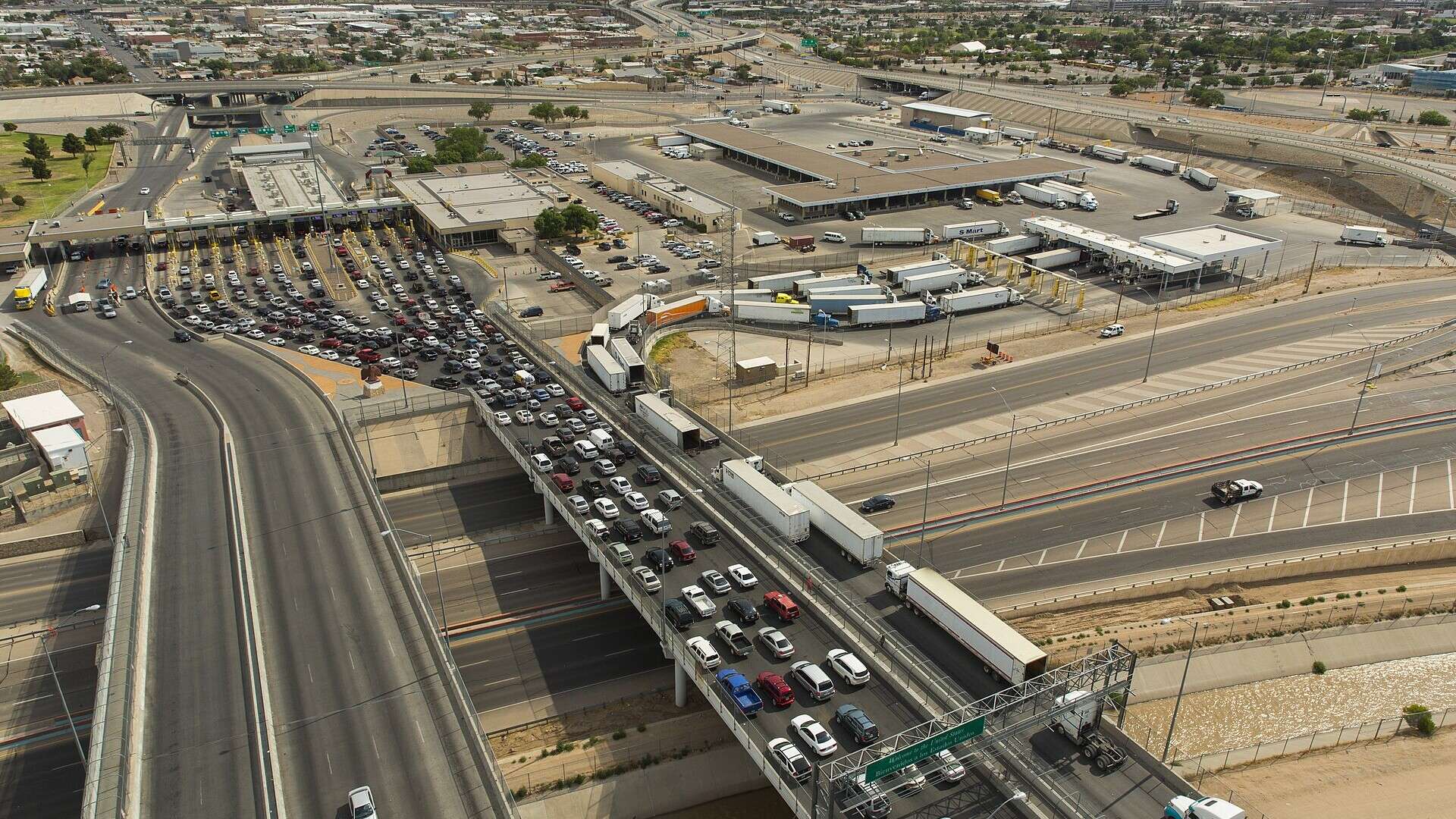
Some still get caught. In August, according to sources the reporters spoke with, a Jalisco cartel member collected a tractor-trailer in Mexicali carrying a 2026 Cadillac Escalade and a late-model Ram, apparently hidden to get past the stolen-car detection system until they could be fitted with Mexican plates. Private investigators tracking the Escalade alerted the Mexican army. At one checkpoint, National Guard soldiers opened the trailer, saw a wall of hay bales and waved it on. At the next, soldiers moved the bales. The driver said he’d been promised nearly $1,500 for the trip.
The vehicles also do work once they’re south. Tubbs, the Laredo deputy chief, said they feed the drug trade back into the U.S.: “It is another tool for them to continue their smuggling and continue their violence.” In Guerrero last November, the Mexican army seized a Toyota TRD Pro and other vehicles carrying high-caliber weapons and nearly half a ton of methamphetamine.
What to watch in Sacramento and at the rental counter
The trade group’s statement reads like groundwork for another push to loosen Section 1939.23, such as letting companies locate a vehicle as soon as it’s overdue. Lawmakers will weigh that against the reasons the law exists: renters’ location data and the wrongful-arrest cases that follow sloppy theft reports. Outside California, the faster lever already exists in places like Texas, where the statute accepts an emailed or texted demand, and where companies still rely on certified mail, it’s a delay the statute doesn’t require.
At the counter, watch for the pressure to land on the vehicles cartels want. Full-size pickups, Wranglers and Escalades rented at airports in border states are the fleet a company would most like to watch closely, through tighter identity checks at kiosks, larger deposits or limits on who can drive off in one. If you rent a truck in California, read the electronic-surveillance advisement you initial in the contract, because it spells out when the company can see where you are. And if a stranger online offers to pay you to rent one and leave the keys, the new law makes it far easier for the rental company to come after you for the vehicle’s value.
Should a rental company be allowed to track a vehicle the moment it misses its return time, or is California right to make it wait, even if that means more trucks end up in Mexico?