
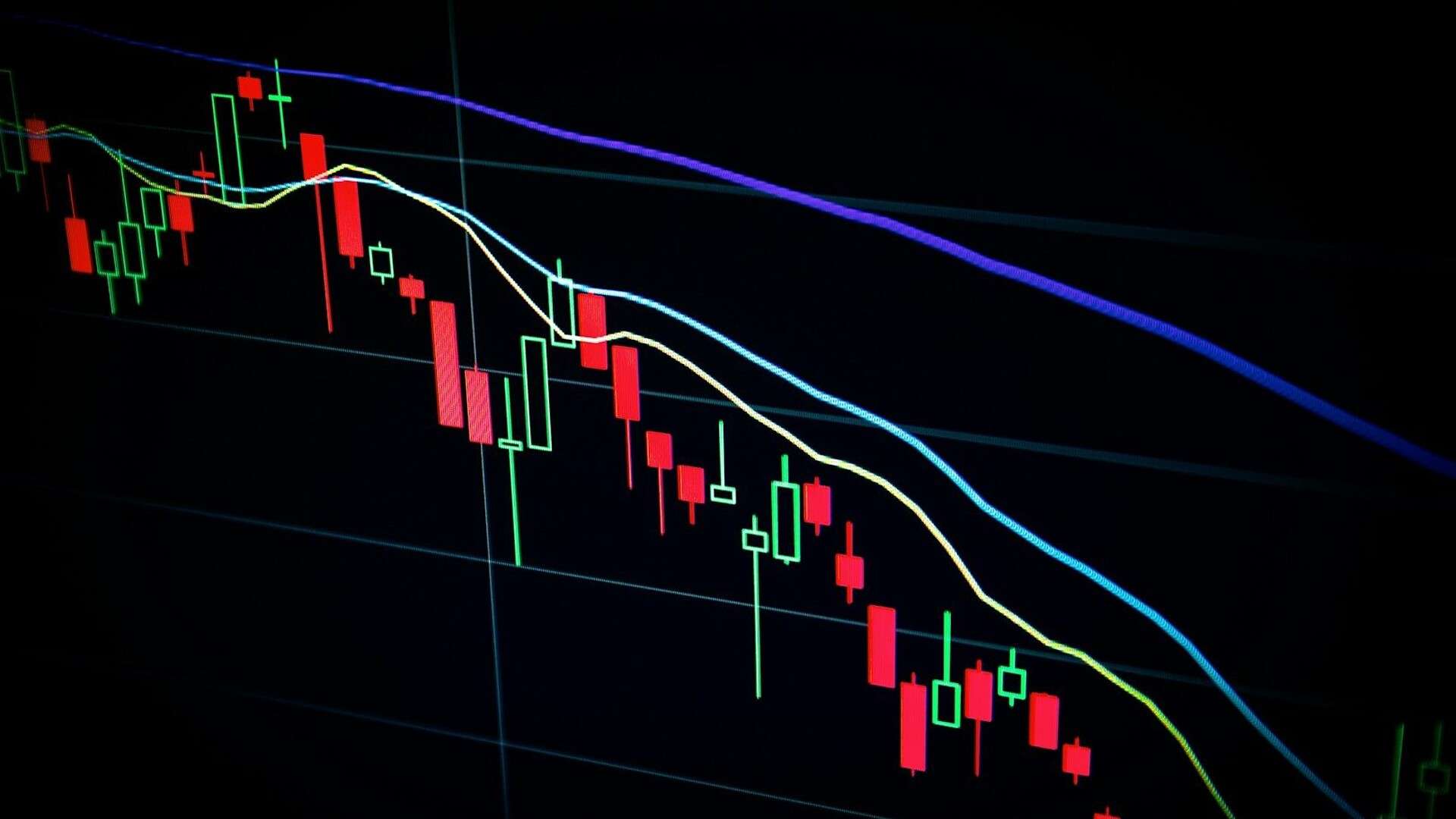
Stocks sold off sharply Thursday as AI and chip stocks led Wall Street lower and erased the post-election rally. Intraday, the Nasdaq fell about 5%, the S&P 500 roughly 3% to 4% and the Dow more than 1,100 points, according to Yahoo Finance and Bloomberg. Tesla opened down more than 8%. The auto industry was already working through weaker consumer confidence and higher borrowing costs, so the question is how much a market slide adds.
Tesla takes the hit, and Detroit has its own pressure
Tesla trades more like a growth and tech stock than a traditional automaker, which is why it moves with the Nasdaq. Ford, GM and Stellantis have faced their own pressure. Stellantis shares fell 7% on Oct. 2 and 8% on Oct. 23 in separate sessions, and Ford and Stellantis each dropped about 4% in August after the White House set 50% auto tariffs on Canada.
New cars: demand was already softening
Cox Automotive’s updated October estimate put the seasonally adjusted sales rate at 15.5 million, below its 16.1 million forecast. Volume came in around 1.324 million units, up 2.9% from a year earlier but under forecast. Cox cited weak stock market performance, election uncertainty, poor consumer confidence and rising loan rates, and said retail demand accounted for most of the shortfall because fleet sales rose nearly 6%. Cox also credited wealthier buyers and wider access to credit with keeping the market stronger than low confidence alone would suggest, and wealthier buyers are the group a falling stock market is most likely to affect.
Used cars: supply, not demand, is holding prices
The Manheim Used Vehicle Value Index stood at 207.4 in mid-October, up 0.7% from September on an adjusted basis and up 2.2% from a year earlier. Cox’s Jonathan Gregory said “supply, not demand, appears to be what slowed depreciation,” and described dealer demand as roughly flat. If buyers pull back further, flat demand leaves wholesale prices with little cushion.
What it could mean for buyers
Falling stock prices alone rarely change a car payment. Loan rates matter more, and the 10-year Treasury yield eased to about 4.84% from 4.90% on Thursday, according to Bloomberg. Buyers with a strong trade-in or cash may gain leverage if automakers add incentives to move retail inventory, though that usually takes weeks to show up. Buyers financing most of a purchase should watch rates and lender standards more than headlines.
What to watch next
Watch where the major indexes close, November sales and incentive data from Cox Automotive and Edmunds, the end-of-month Manheim reading, and what automakers say about tariffs and demand on upcoming earnings calls. Market figures above are intraday and may change by the close. This article is general information and not financial advice.