
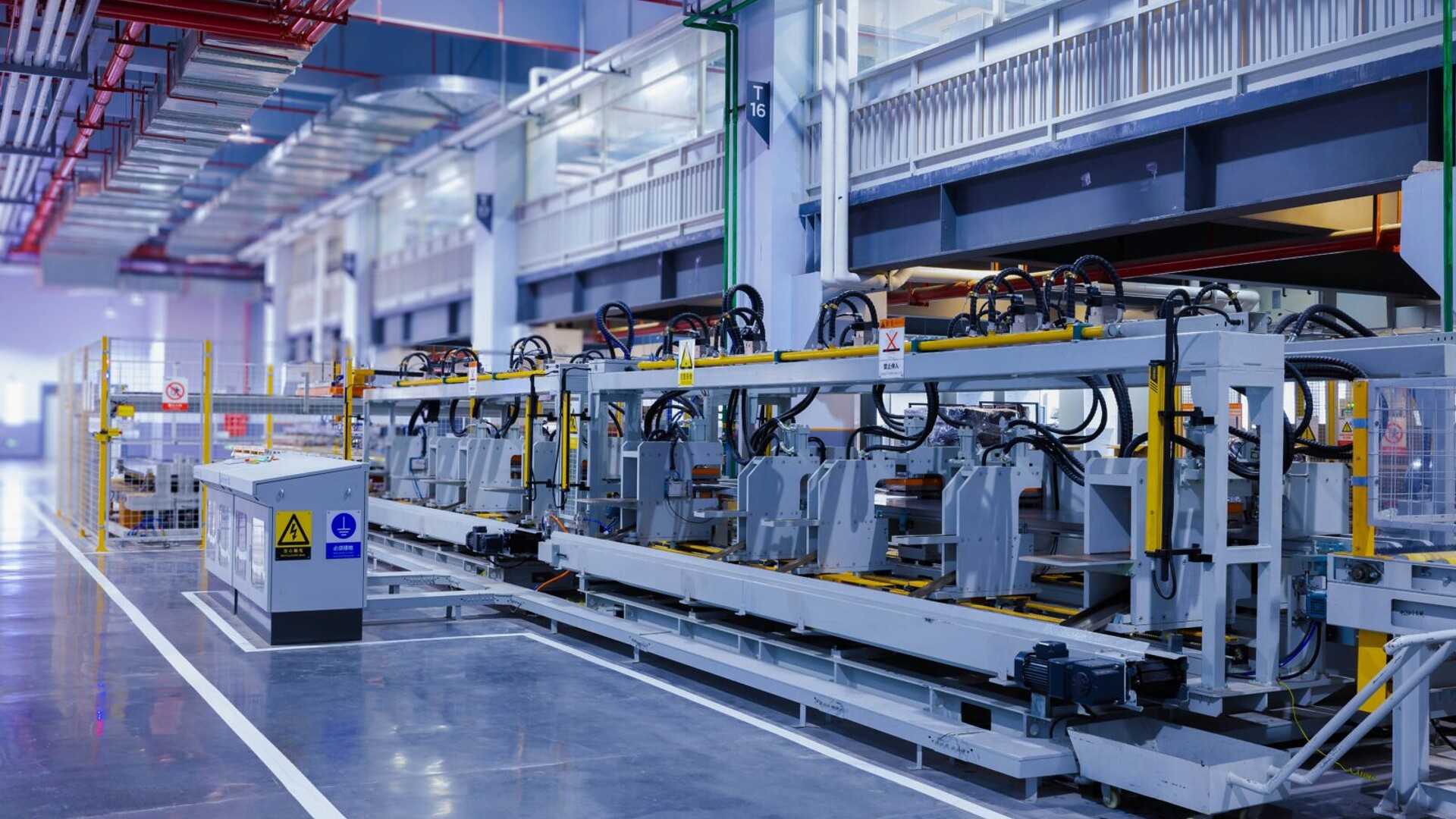
Commerce Secretary Howard Lutnick has spent the past year turning federal chip and factory money into ownership stakes, and in July he asked a Chicago battery startup called Pure Lithium for the largest one yet: 51% of the company. That’s according to emails and a legal memo reviewed by Reuters and reported Nov. 20, along with a person with direct knowledge of the request. Pure Lithium, which moved its entire operation from Boston to Chicago’s Fulton Market district with help from an Illinois incentive package last year, turned him down.
The terms explain why. Under the proposal described in the documents, $1 billion from Japan’s $550 billion U.S. investment pledge would pay for a battery plant. A special-purpose vehicle controlled by Washington and Tokyo would own that plant. Pure Lithium would operate it and collect a share of revenue left over after debt payments, and none of the $1 billion would go to the company. In return, Washington would hold majority control of Pure Lithium itself. Lutnick also asked the company to send 100 batteries to the Defense and Energy departments for testing.
CEO Emilie Bodoin met Lutnick in Washington on July 29 for roughly 45 minutes, Reuters reported. Billionaire Robert Friedland, one of Pure Lithium’s largest shareholders, set up the meeting and attended, as did David Shapiro, a senior Commerce adviser. The meeting was supposed to be about Pure Lithium’s lawsuit against Panasonic. According to the person and the documents, Lutnick said the government needed control so the military and other agencies could use the battery, and suggested a takeover could help with the Panasonic dispute.
Pure Lithium offered 9.9% instead. Commerce rejected that in August. An Aug. 22 memo from the company’s lawyers at Skadden Arps to Friedland put the problem bluntly: “51% is far outside precedent and invites scrutiny.” The same memo said Commerce was holding at 51% and was ready to move on to other projects if the company didn’t agree. Pure Lithium concluded that a government majority would draw public scrutiny, make future fundraising harder and cost shareholders more than it gave them.
A Pure Lithium representative did not dispute the account when Reuters asked. The Commerce Department did not respond to Reuters’ questions about the proposal, and Friedland declined to comment through a spokesperson.
Every Other Federal Stake in the Car Supply Chain Is a Minority Stake
Skadden’s “outside precedent” line holds up when you line the deals up. The administration now owns pieces of the companies that make the chips, magnets and lithium inside a modern car, and in every case Washington took a minority position.
In August 2025, Intel agreed to sell the government 433.3 million shares at $20.47 each, a 9.9% stake paid for with $5.7 billion in CHIPS Act grants that had been awarded but not yet paid, plus $3.2 billion from the Pentagon’s Secure Enclave program. Intel described the government as a passive owner with no board seat that agreed to vote with Intel’s board on most shareholder matters.
A month earlier, rare-earth miner MP Materials announced that the Defense Department would buy $400 million of convertible preferred stock and warrants at a $30.03 conversion price, along with a 10-year price floor of $110 per kilogram for its NdPr, the rare-earth oxide that goes into the permanent magnets in electric motors. The company said the deal positioned the Pentagon to become its largest shareholder. Reuters puts that stake at 15%, the biggest the administration has taken.
In September 2025, the Energy Department restructured its loan to Lithium Americas and took warrants for 5% of the company and another 5% of the Thacker Pass lithium project the company owns with General Motors in Nevada. DOE called the warrants part of the loan’s collateral.
The closest comparison is the one Friedland himself is part of. On June 25, a month before the Pure Lithium meeting, Commerce announced a $250 million CHIPS research award to I-Pulse, a company Friedland co-founded. The department’s own release says it received “a minority, non-controlling equity stake” in return. Reuters said it has no evidence Lutnick holds a stake in I-Pulse or Pure Lithium, and a Commerce spokesperson said she did not think he was invested in either.
The libertarian Cato Institute, which opposes these deals, tracks 41 companies in which the administration has taken or announced a stake. Reuters reported that none of them is a majority stake. Pure Lithium would have been the first.
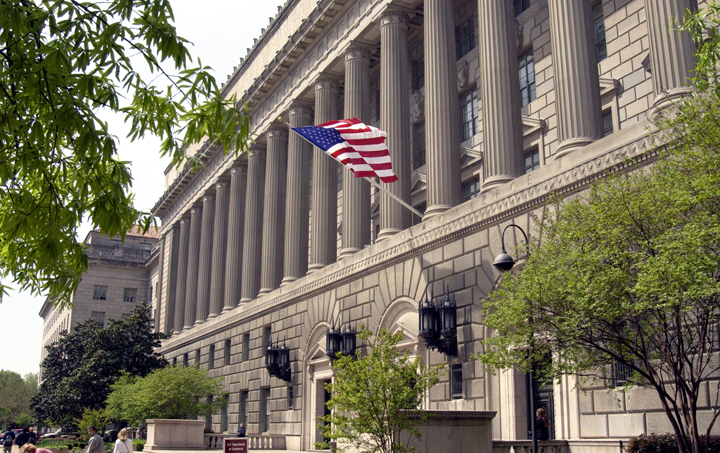
How the Japan Deal Would Have Owned the Plant
The money Lutnick offered was never Commerce’s to hand over directly. It comes from the U.S.-Japan memorandum of understanding signed Sept. 4, 2025, which traded Japan’s $550 billion investment pledge for lower tariffs on Japanese goods. I read the memorandum, and the plant structure Pure Lithium was offered follows its template.
An investment committee chaired by the Commerce secretary recommends projects, and the president picks them. Each project gets its own special-purpose vehicle, which the memorandum says is “managed and governed by the United States or its designees in the capacity of a general partner.” Cash from each project is split 50-50 until Japan gets back its share, and after that the U.S. keeps 90% and Japan 10%. Japan can decline to fund a project, but if it does, the U.S. can put tariffs on Japanese imports at a rate the president sets. Investments can be made until Jan. 19, 2029.
Put Pure Lithium into that structure and the company sits at the bottom of the payment line. The plant belongs to a vehicle Washington runs as general partner. Revenue goes to debt service first. Pure Lithium gets a slice of what’s left for operating a factory built around its own chemistry, and on top of that it would have handed majority control of the company, and with it the patents behind that chemistry, to the same government. Pure Lithium says it holds more than 128 patents and applications.
Reuters noted that it is not illegal for the federal government to buy into private companies, and the administration has leaned on the 2022 CHIPS Act to justify its stakes. Lawmakers opposed to the practice argue the law never authorized ownership, and no court has ruled on the question. In a Nov. 23 post, Cato’s Tad DeHaven argued that neither the CHIPS Act nor the Japan memorandum gives Commerce clear authority to take a controlling stake in a company like Pure Lithium.
Why a Battery Startup’s Cap Table Matters to Car Buyers
Pure Lithium is a pre-commercial company. It builds lithium-metal cells that pair a lithium-metal anode with a vanadium oxide cathode, and it says the design needs no graphite, nickel or cobalt, the materials where China dominates processing. When it opened its Chicago pilot line in October 2025, it listed electric vehicles among its target markets, alongside drones, defense, grid storage and consumer electronics. Like QuantumScape’s solid-state cells, none of this is in a car yet.
Companies at that stage live on private capital, and Skadden’s warning goes to that point. A startup whose majority owner is the federal government is a hard sell to venture investors and a harder one in an IPO, because any buyer of shares would be buying into a company where Washington makes the final call. The Japan money can only go to projects Commerce’s committee recommends. If 51% becomes the going rate for a federally funded factory, the startups trying to make the priciest part of an EV cheaper get an ugly menu: take Washington’s plant and Washington’s vote, or keep a cap table a venture fund will still touch.
A January Hearing Against Panasonic Comes Next
Pure Lithium sued Panasonic in March, accusing the Japanese battery maker of reverse-engineering its lithium-metal technology. Panasonic disputes the claim. A hearing on whether to grant Pure Lithium a preliminary injunction is set for January, according to Reuters. That case now goes forward without the federal partner Lutnick suggested could help it, and with a Japanese defendant on the other side of a deal that would have been funded with Japanese money.
Commerce has not said whether the $1 billion went to another project after Pure Lithium walked away, or how many other companies have been asked for majority stakes. Until somebody answers those, or Congress writes a cap on federal equity stakes into law, there’s no telling whether Pure Lithium got the only 51% ask or just the first one to surface.
Founders: if Commerce offered to build you a $1 billion plant you’d never own, in exchange for 51% of your company, is there any version of that deal you’d sign?