
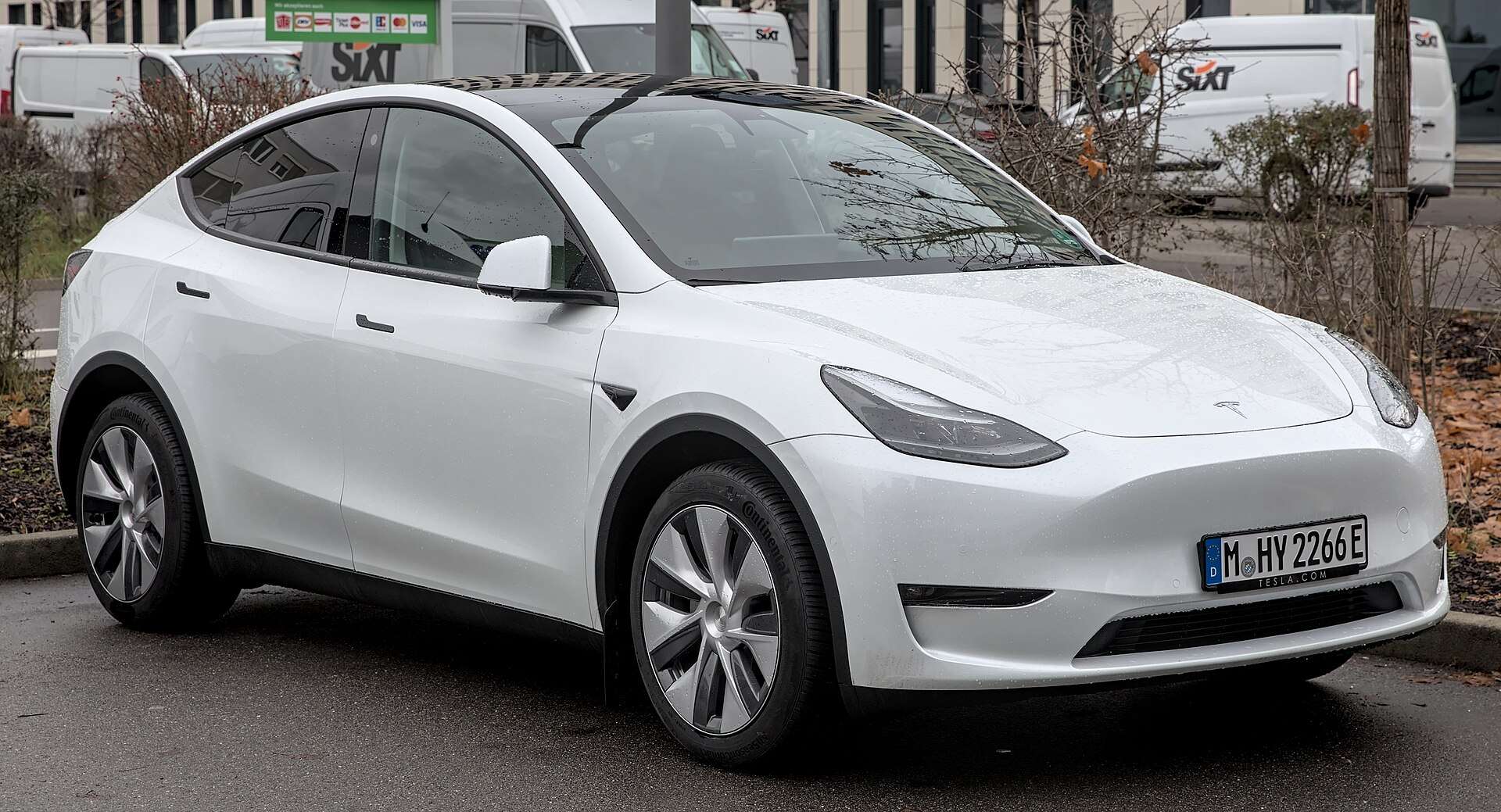
A passenger’s video shows a Tesla Model Y reaching 83 mph on a stretch of Highway 84 in La Honda, California, where posted limits run from 35 to 40 mph, according to NBC Bay Area’s reporting on a lawsuit filed Thursday in San Mateo County Superior Court. The suit alleges the car then lost control, crossed the double yellow lines and hit an oncoming Honda SUV head-on on Aug. 30. The Honda’s driver, 70-year-old Michelle Brooks of Loma Mar, was on her way to volunteer at church. Her complaint says she suffered a traumatic brain injury, fractured vertebrae and ribs, broken limbs and internal injuries.
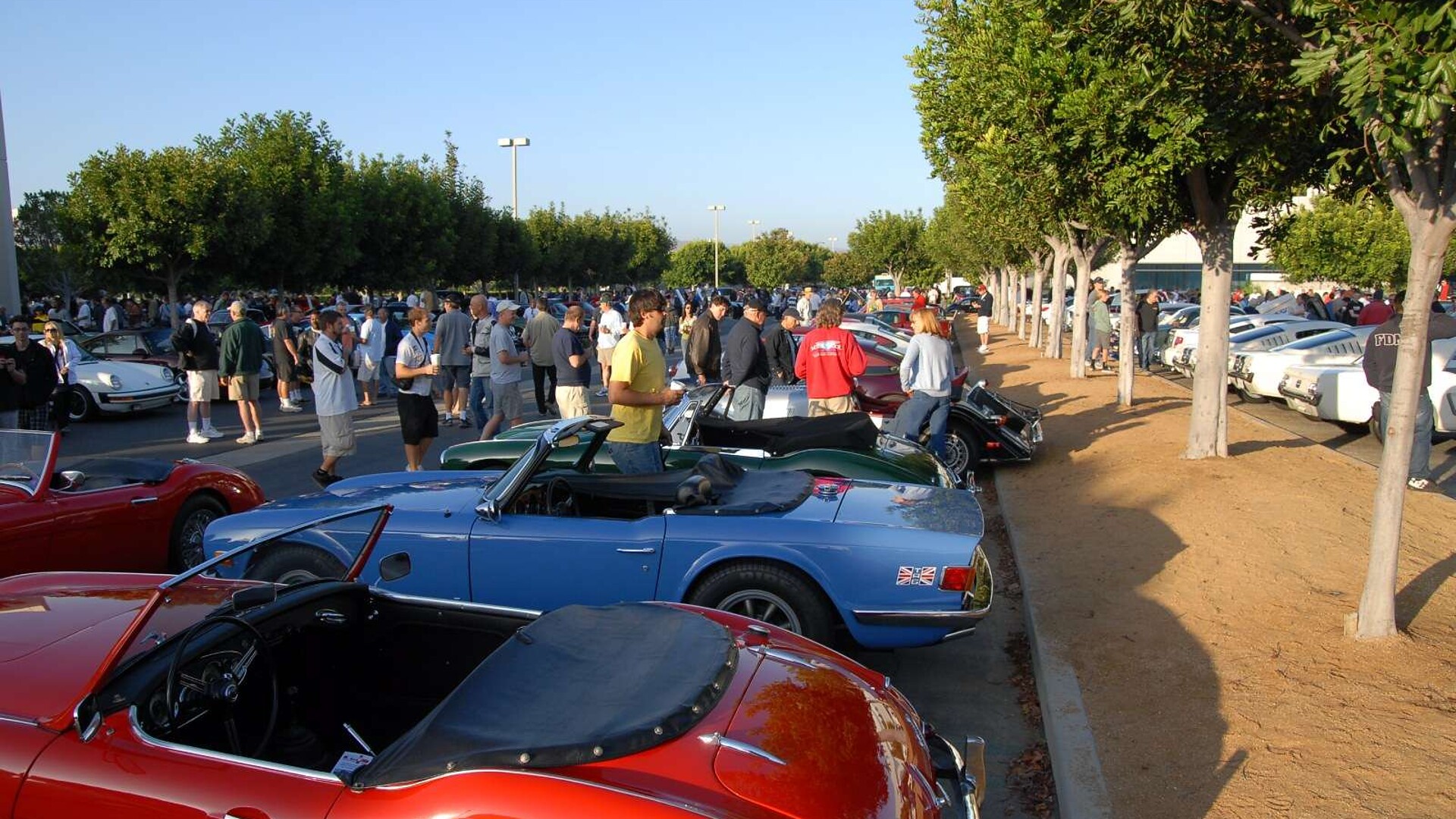
Four defendants are named, and each faces a different theory. Tesla is accused of negligence, including letting an unfit driver operate the car. The driver, 21-year-old Micah Zuglian, was at the wheel of a company-owned Model Y. Event organizer Ethan Garabedian, who runs the car club 9Burgring, and Ambassador Wine Bars LLC, which the filing says hosted the Cars and Coffee gathering, are accused of going ahead after local authorities warned them about traffic hazards. The case is a test of who controls the risk when a carmaker puts a performance demo inside an enthusiast meet, and the answer is different for each defendant.
What the filings and officials say
I have not seen the complaint itself. The allegations below come from NBC Bay Area’s report and from a release by the plaintiff’s firm, Cotchett, Pitre & McCarthy, and they are allegations. NBC reported that Zuglian was representing Tesla at the event and offered two photographers a ride to show what the car could do. The firm’s release says Tesla sent him to market performance vehicles to racing enthusiasts. Neither source includes a statement from Tesla or from the California Highway Patrol.
Garabedian told NBC in September that “We don’t condone any recklessness” and, in the report’s account, argued the driver’s actions caused the crash, not the event. He also said Tesla took part as a vendor and that a company representative was behind the wheel.
Why Tesla is in the case
The theory against Tesla does not depend on proving the company wrote a bad policy. In California, an employer can be held liable for an employee’s negligence within the scope of the job, and the California Supreme Court’s 1970 decision in Hinman v. Westinghouse Electric Co. describes that rule as a deliberate allocation of risk: the cost of accidents tied to the work lands on the enterprise that profits from it, whether or not the employer controlled the worker in the moment. A company-owned car, a company representative and a company-chosen marketing event are the facts a plaintiff would line up for that argument. The sources call Zuglian a Tesla representative and do not say how he was employed. That is the first thing Tesla’s response will have to address.
The speed itself matters less to Tesla’s exposure than it first appears. California’s basic speed law, Vehicle Code section 22350, bars driving faster than is reasonable or prudent for the weather, visibility, traffic and the width and surface of the road, and in no event at a speed that endangers people or property. A posted limit is not the whole test. A blind curve in a construction zone can make 45 mph unreasonable, which is why a video showing 83 mph through those conditions does so much work for the plaintiff.
The warnings to the organizers
The claim against the organizers and the venue turns on notice. Plaintiff’s attorney Niall McCarthy says a San Mateo sheriff’s representative came to the event and told organizers not to hold it. The firm’s release adds the Highway Patrol and the office of Supervisor Ray Mueller to the list of agencies that urged cancellation. Mueller told NBC that his office tried to discourage the August event over traffic safety concerns, which is the only part of that account a public official has confirmed on the record.
Context for the road: NBC’s analysis of CHP collision data, drawn from UC Berkeley’s Transportation Injury Mapping System, found 21 people killed and 792 injured over five years in crashes on Highways 84, 35 and 9 in San Mateo County. The report notes those figures do not show how many crashes involved speeding or street racing. The county has been looking at more CHP patrols and at whether mountain communities could join California’s speed-camera pilot program.
A verdict from three months earlier
The plaintiff’s firm is the same one that, by its own account, won a $33 million verdict on Aug. 11 for the twin daughters of Greg Ammen and Grace Spiridon, who were killed in Redwood City in 2022 by a 17-year-old street racer. The firm says the jury held both racers and the teen’s parents liable. That is the firm’s description, and it tells us what kind of case it believes a San Mateo jury will hear: one where responsibility spreads past the person holding the wheel. McCarthy put the Tesla version of that argument this way: “How bad do you need to sell one more car?”
What to watch
Tesla’s answer to the complaint will show whether it disputes that Zuglian was acting for the company and whether it points to the organizers. The organizers’ defense is already visible in Garabedian’s comments: the driver, not the gathering, caused the crash. For anyone who hosts or attends a meet, the practical lesson is narrow. A phone call from the sheriff before an event is a document in a later lawsuit, and the question of who carries insurance for a demo ride is worth asking before getting in. How courts apportion fault among several defendants is a question The Auto Wire has looked at from the lawyer’s side.
If a carmaker’s rep takes a stranger for a fast ride at a local meet, who should answer for what happens next: the company that sent him, or the organizers who were told not to hold the event?