
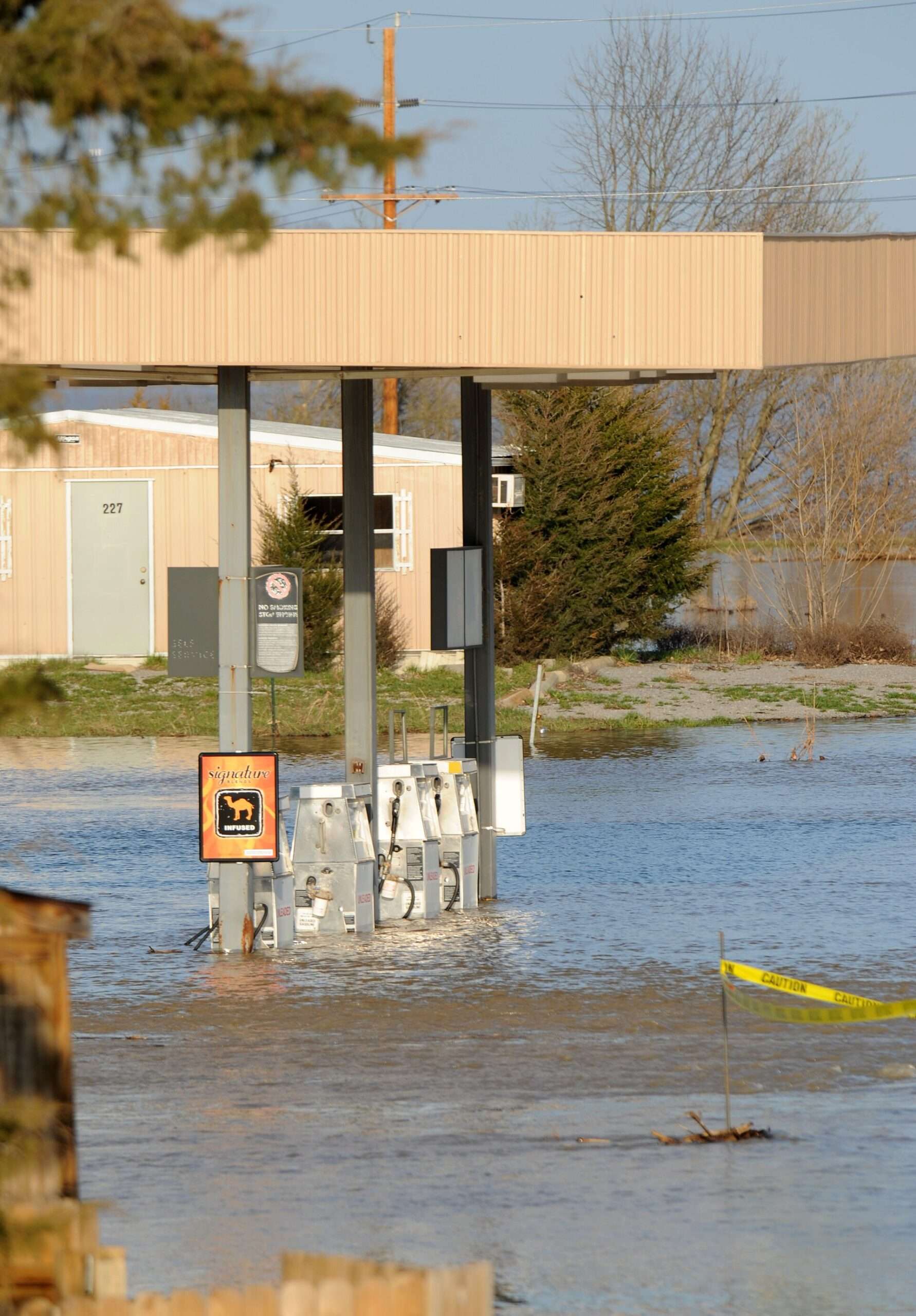
Florida agriculture inspectors had issued four stop-sale orders and visited 125 fuel facilities in seven counties by Nov. 5, after 11.67 inches of rain fell on West Palm Beach on Nov. 1-2, according to CBS12’s reporting on figures from the Florida Department of Agriculture and Consumer Services. A stop-sale order shuts off a pump. It does nothing for the driver who filled up there the day before and is now holding a repair estimate, and water in gasoline is a hard thing to get anyone to pay for once it is in your tank.
What Florida had reported by Nov. 5
CBS12 reported on Nov. 5, and updated the story Nov. 6, that FDACS had received 10 complaints about contaminated fuel in the Treasure Coast and Palm Beach County. Nearly 20 inspectors were working in Palm Beach, St. Lucie, Okeechobee, Indian River, Brevard, Hardee and DeSoto counties. The department had not yet said where the four orders were issued and said it was still gathering complaints and inspection reports. I could not find a newer FDACS count, so treat those numbers as a week old.
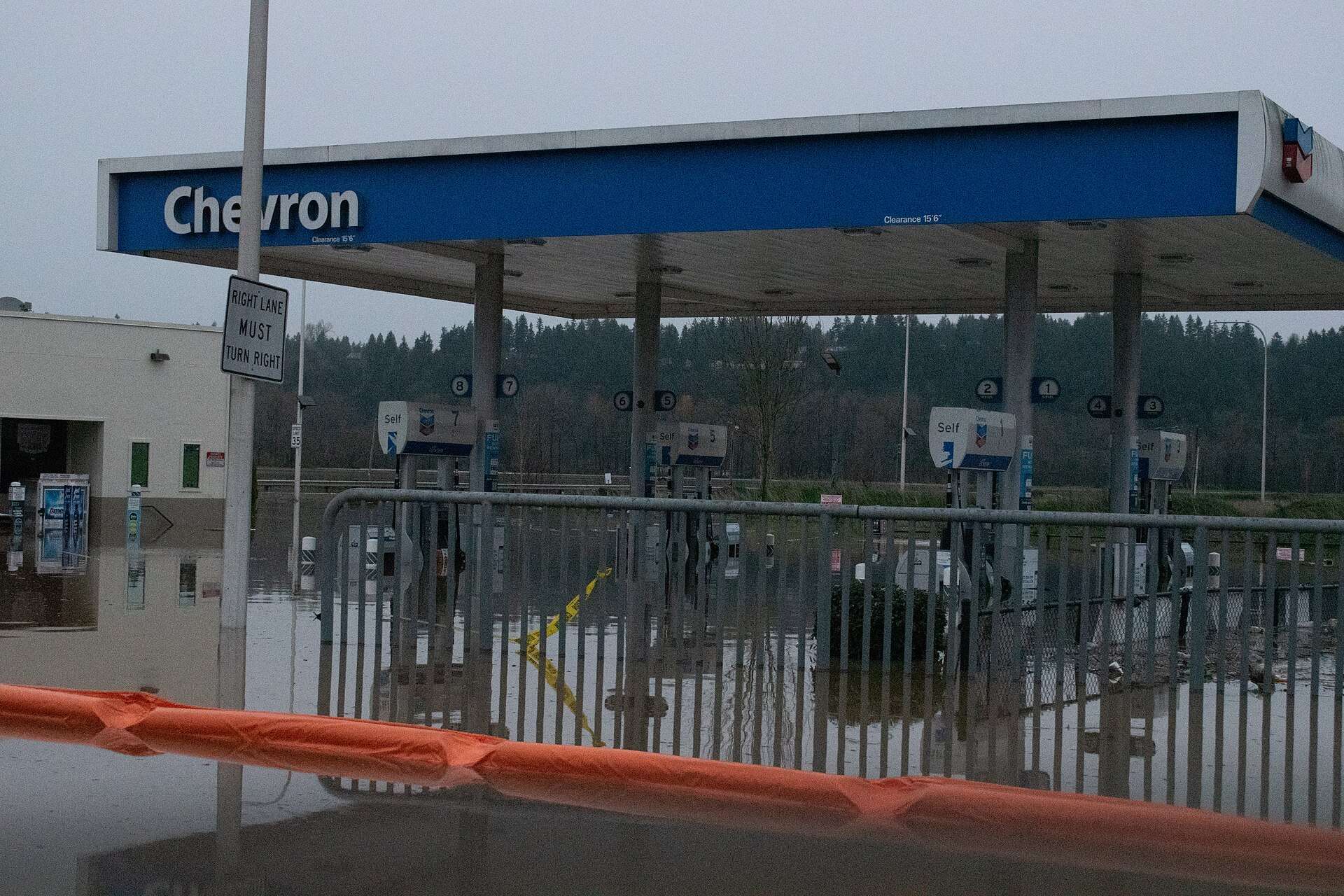
One of the complaints is Amber Massie’s. The Fort Pierce driver told CBS12 her truck started acting up right after she bought gas at a station at Hartman Road and Orange Avenue. The truck is in the shop, and she was facing “thousands of dollars in repairs,” CBS12 reported, without a specific figure or a diagnosis. At two other stations CBS12 visited, employees described water in the fuel system: at a Chevron at Roebuck and North Haverhill roads in West Palm Beach, an employee said the company found water in the fuel and was removing and replacing it, and at a Marathon at 7245 N. Military Trail in Riviera Beach, an employee said water had been removed and the station was waiting on an inspection.
How floodwater gets into station tanks
Stations store fuel in underground tanks, and the EPA’s Underground Storage Tank Flood Guide lists the ways water gets in. Flooding can damage fill caps, spill bucket plungers and sump lids, all openings into the system, and a tank pushed by water can shift or pull away from its vent lines and piping. That is why a pump does not need to be underwater to sell bad fuel, and CBS12 noted, citing the EPA, that contaminated fuel can reach a vehicle that never drove through floodwater.
The same guide gives operators the numbers they are supposed to use. If more than 2 inches of water has collected on the bottom of a tank, the product should not be used. Ethanol-blended gasoline gets no allowance at all: any water on the bottom is unacceptable, and the guide calls the fuel unusable if it shows phase separation or quality degradation. Diesel and gasoline without ethanol can be used in an emergency with up to 2 inches of water, though normal practice is to keep the water layer under 1 inch. Phase separation is what happens when water pulls the ethanol out of the gasoline into a layer of its own, leaving a lower-octane fuel above and a water-and-alcohol mix below. An engine that draws from the wrong layer will run badly or not at all.
For a driver, the symptoms are the ones a tired fuel pump or a bad filter would also produce. AAA’s list of bad-gas symptoms starts with a car that will not start, then hesitation or sputtering, trouble accelerating and a lit check-engine light, and it says water in the tank has the same symptoms as bad gasoline. CBS12 adds the caveat that a mechanic should diagnose the problem instead of assuming contaminated gas is the cause. The diagnosis, in writing, is the document everything else depends on.
Why a stop-sale order does not pay for your repair
Florida’s fuel statute gives the state a tool for the station, not the customer. Under section 525.037(2) of the Florida Statutes, a substandard product “shall be placed under a stop-sale order by the department,” and the dispensing devices and storage tanks are sealed. Section 525.16 lets the department issue a warning letter, impose an administrative fine or suspend or revoke a registration, and makes a knowing violation a first-degree misdemeanor. In the 2025 edition of chapter 525 I read, I found no provision that creates a damage claim for a customer.
That leaves two paths to payment. One is the station operator’s claims process, which CBS12 advises drivers to contact. The other is your own policy, and it is less certain than it sounds. The Florida Chief Financial Officer’s auto insurance overview describes comprehensive coverage as paying for damage “from incidents other than a collision including: fire, theft, windstorm, vandalism or flood.” Contaminated fuel is not on that list, and nothing I found from state regulators says how insurers treat it. The policy language decides, so call the insurer before authorizing the repair, not after. Comprehensive is also bought by choice in Florida, though a lender can require it on a financed truck.
What to do if the engine stumbles after a fill-up
CBS12’s list of steps is short. Get somewhere safe and call a mechanic or roadside assistance. Keep the fuel receipt and write down the station, the time of purchase, the pump number and the fuel grade. Save every estimate, diagnostic finding and towing receipt. Tell the station operator and ask how its claims process works. Complaints to the state go to FDACS at 800-435-7352 or 1-800-HELP-FLA, the two numbers CBS12 listed. My addition: ask the shop to note what it found in the fuel, such as water in a sample from the tank or filter, rather than writing “fuel system service” on the invoice. A claims adjuster will look for exactly that line.
Flood damage to cars comes in more than one form. The Auto Wire’s Nov. 6 story on flash-flood stalling covers the car that meets the water on the road. This one arrives through the fuel nozzle, and it leaves a much thinner paper trail unless the driver builds one the same day.
Three things are worth watching. FDACS has not said which stations received the four orders, and until it does, drivers cannot match a receipt to a sealed tank. The count of 10 complaints was a Nov. 5 figure. And Massie’s diagnosis, once the shop has one, will show whether the fuel was the cause, which is the question every other driver in these seven counties will face.
If a station’s contaminated gas wrecks your engine after a flood, who should pay: the station, its fuel supplier or your own insurance?