
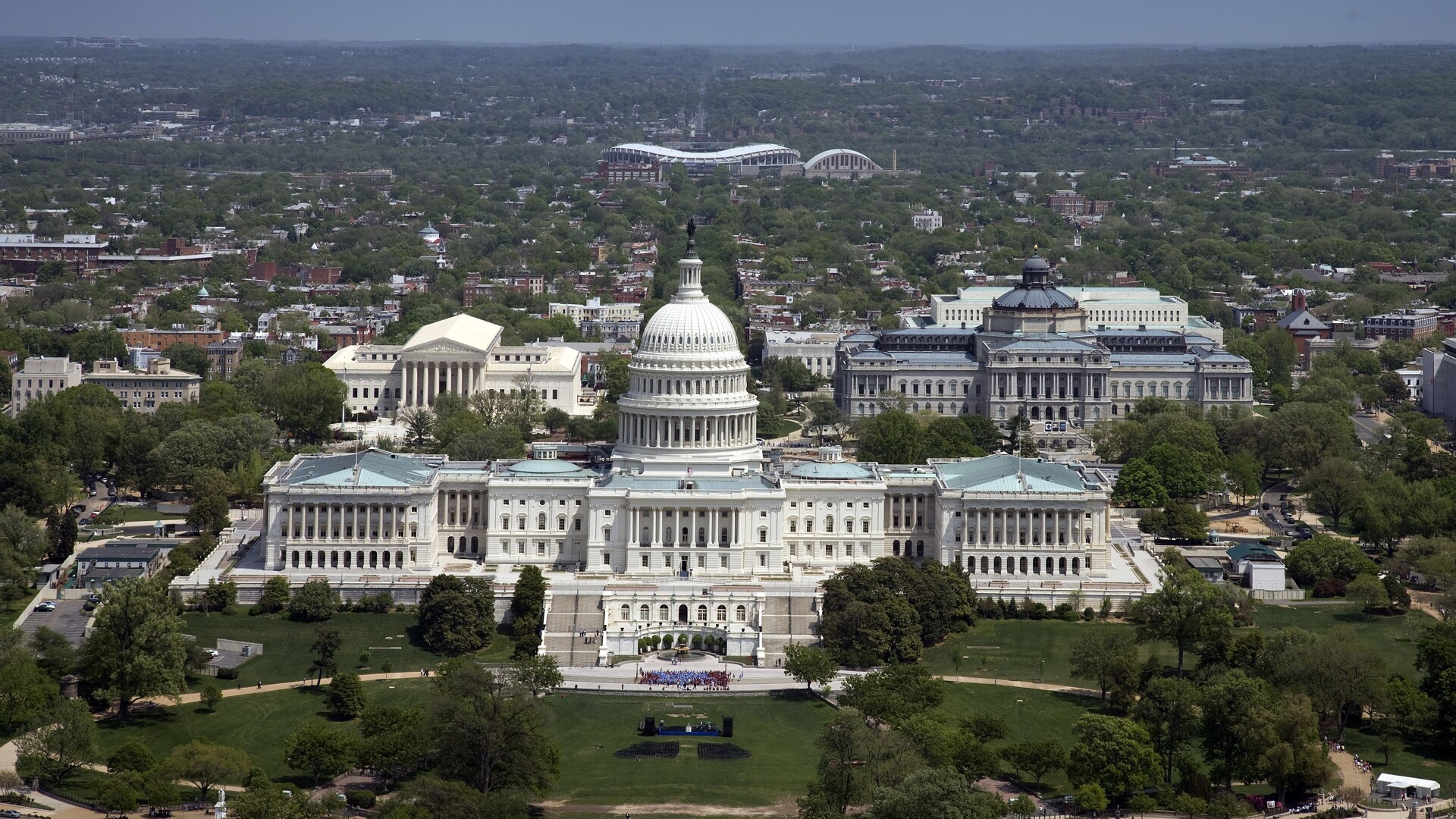
News organizations projected Democratic majorities in the House and the Senate after the November 3 midterm elections, and the new Congress is due to convene in January. What that means for auto policy after the midterms depends on where each rule is written, because federal vehicle rules come from three different places: statutes, agency rulemakings and presidential proclamations.
This article covers where the EV tax credits, the emissions and fuel economy standards, and the vehicle tariffs sit today, and which of them a new Congress could reach by passing a law. It does not forecast what lawmakers will do.
EV Credits Are Written Into Law, With an End Date
The federal clean vehicle credits are set by statute, and the statute now carries a cutoff. The IRS says the new clean vehicle credit and the previously owned clean vehicle credit are available only for vehicles acquired on or before Sept. 30, 2025. The qualified commercial clean vehicle credit is also unavailable for vehicles acquired after that date. The change came through Public Law 119-21, signed July 4, 2025. Auto Wire covered the moment the credit ended.
One exception remains. The IRS treats a vehicle as acquired if the buyer entered a binding written contract and made a payment on or before Sept. 30, 2025, even when the car was delivered later. Because the dates sit in the tax code and not in an agency rule, any new federal credit would need new legislation. Some states run their own programs, which Auto Wire has covered in its guide to state EV rebates.
Emissions and Fuel Economy Sit With Two Agencies and a $0 Penalty
The EPA signed a final rule on Feb. 12, 2026 that rescinds its 2009 greenhouse gas endangerment finding and repeals all of its greenhouse gas standards for light-, medium- and heavy-duty vehicles and engines. The rule was published in the Federal Register on Feb. 18 and took effect April 20, 2026. The notice says petitions for review go to the U.S. Court of Appeals for the D.C. Circuit.
The National Highway Traffic Safety Administration (NHTSA) announced its final fuel economy rule on Sept. 28, 2026. The rule covers model years 2022 through 2031 and takes effect Nov. 30, 2026. NHTSA projects a combined fleet average of about 34.9 mpg in model year 2031, made up of 40.2 mpg for passenger cars and 26.4 mpg for light trucks. The Department of Transportation says the rule also ends the credit trading program starting in model year 2028.
Two details are easy to miss. First, the civil penalty for missing a fuel economy standard is zero. Public Law 119-21 set it at $0, and NHTSA’s analysis assumes no penalties, so the targets exist without a fine attached to them. Second, NHTSA says a provision of federal law, 49 U.S.C. 32902, keeps it from considering electric vehicles when it sets the standards. The projected averages are built on gasoline, diesel and non-plug-in hybrid vehicles only, and automakers can still earn credit for EVs under a Department of Energy formula.
Congress has two routes to these rules. It can change the underlying statutes, as Public Law 119-21 did with the penalty. It can also use the Congressional Review Act, which lets Congress disapprove an agency rule through a joint resolution that goes to the president like any other bill. On June 12, 2025, the president signed three such resolutions disapproving EPA decisions that had granted California waivers, and the White House statement said the EPA cannot approve future waivers that are “substantially the same.”
Tariffs Come From a Proclamation, and the Rates Differ by Country
Vehicle tariffs rest on Section 232 of the Trade Expansion Act of 1962. A March 26, 2025 proclamation set a 25 percent tariff on listed automobiles entered on or after April 3, 2025, with parts following by May 3. It says the tariffs stay in place “unless such actions are expressly reduced, modified, or terminated.”
The U.S. Trade Representative’s July 1, 2026 report to Congress lists the current rates. Vehicles from the European Union, Japan and South Korea face a 15 percent all-in baseline, and the United Kingdom has a 10 percent rate on a quota of 100,000 vehicles. Vehicles that qualify under USMCA are tariffed only on their non-U.S. content, and U.S.-assembled vehicles can claim an offset of 3.75 percent of MSRP through April 30, 2030.
The report also notes that Commerce had not published a process for applying the tariff to only the non-U.S. content of USMCA-qualifying parts, so those parts remain exempt for now. Automakers have been reporting the cost. Audi’s quarterly report attributed a 27 percent first-quarter drop in North American deliveries primarily to U.S. tariffs and the end of U.S. electric-car subsidies, and Volkswagen’s investor presentation put its tariff burden at 2.1 billion euros through September.
What Will Show Whether Anything Changes
Four things are scheduled or on the record. The NHTSA rule takes effect Nov. 30, 2026. Challenges to the EPA rule are directed to the D.C. Circuit. Commerce could publish the USMCA parts process. And the new Congress convenes in January, when any bill or resolution on credits, fuel economy penalties or tariffs could be introduced.
Which of the three, the credits, the emissions and fuel economy rules, or the tariffs, do you expect to affect your next vehicle purchase first?