
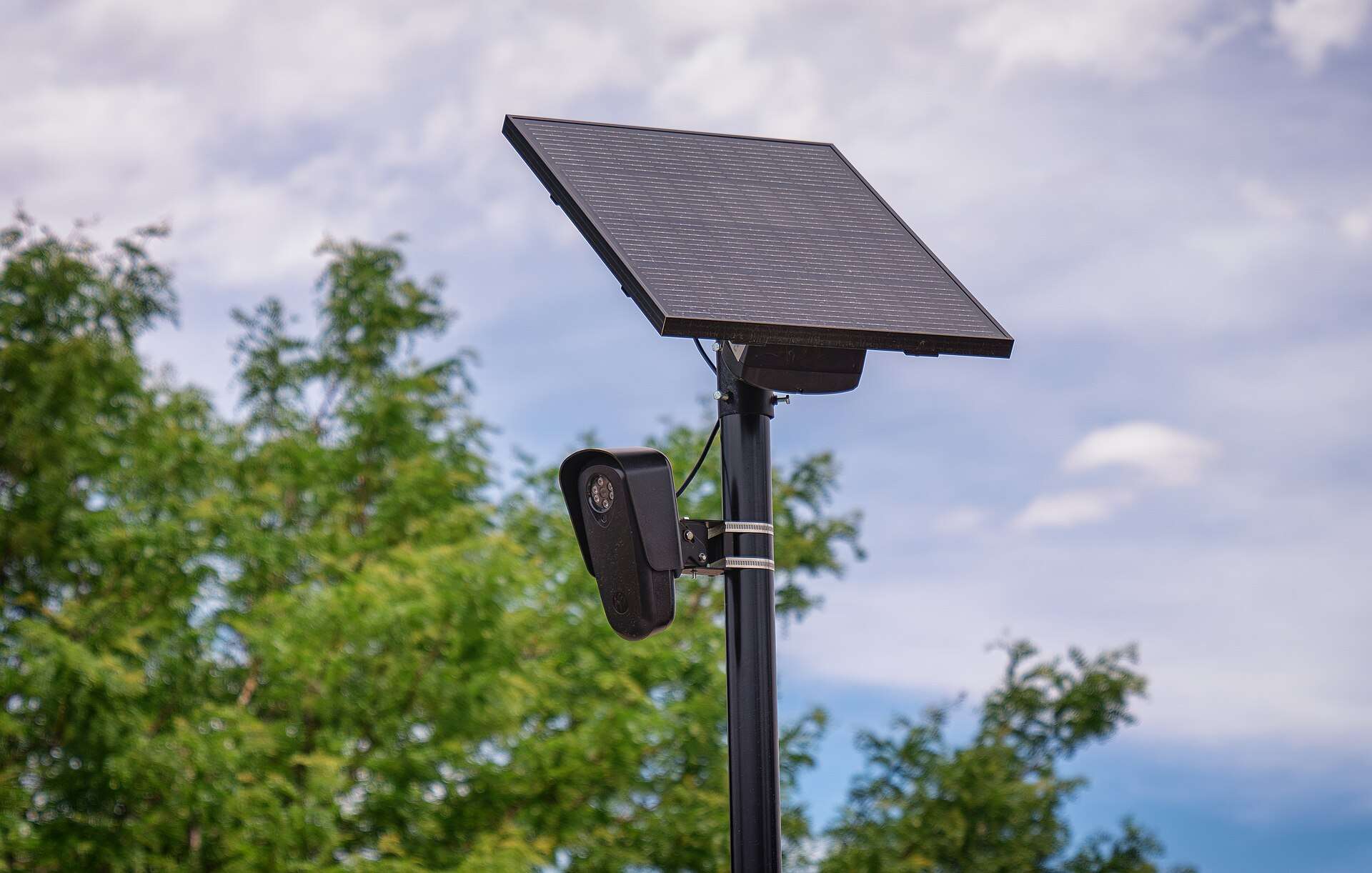
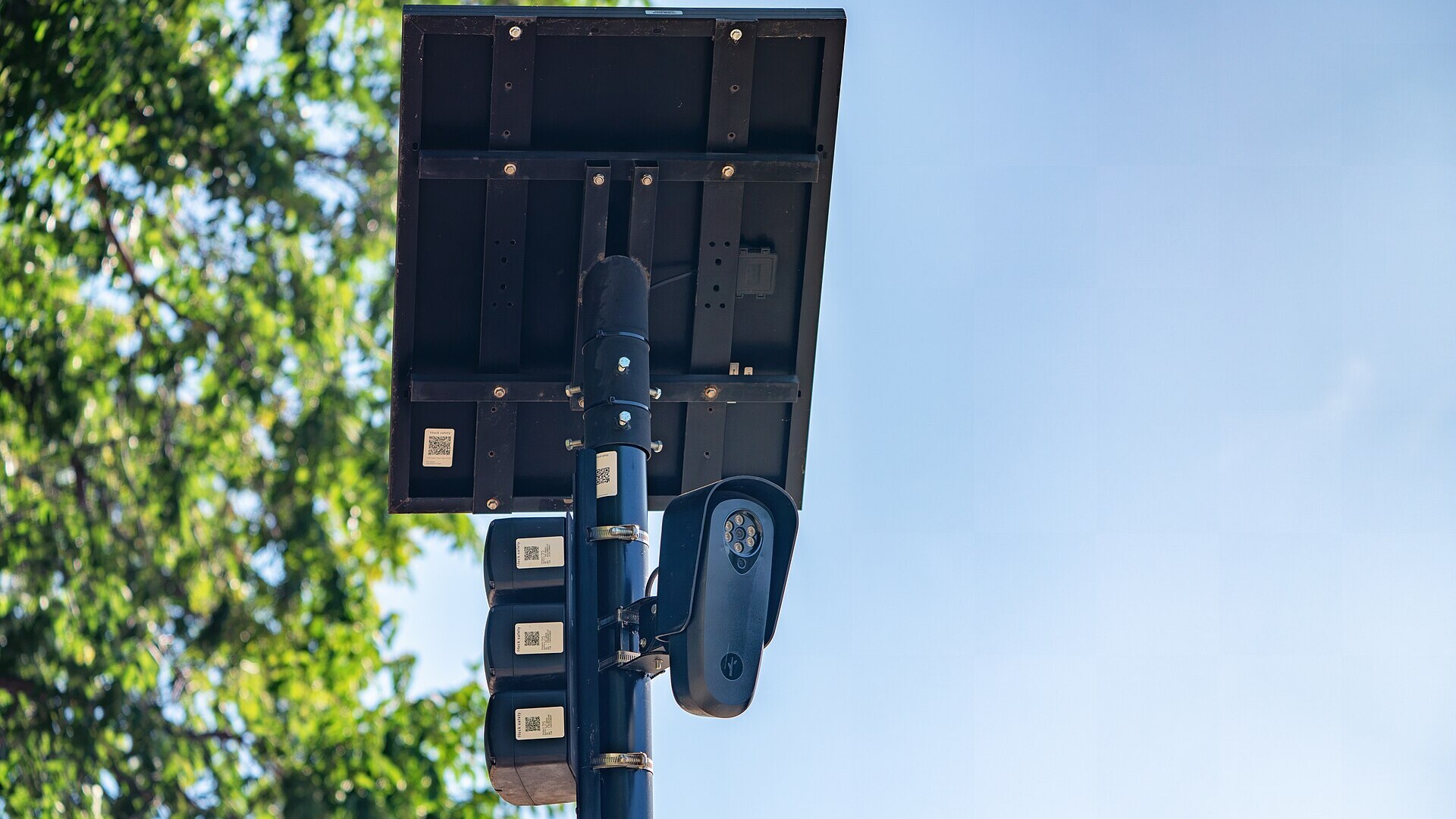
More than 100 Henrico County Public Works employees spent Saturday, Oct. 31, unbolting more than 120 Flock Safety license plate reader cameras across the Virginia county, according to Henrico. The cameras had been switched off since Oct. 14, when the county’s termination of the Flock contract took effect. Flock had until Oct. 21 to come get them, and the county says it didn’t.
Flock gave a different account. In a statement, the company said its standard terms call for removal within a “commercially reasonable time period,” that it contacted the police department about its removal process and timeline after the contract ended, and that it would have abided by those terms had the county not removed the cameras itself. Flock added that it has reached out to county officials again to coordinate removal. The county told WTVR the cameras will sit in storage until Flock retrieves them, and that Flock is responsible for removing the poles and for covering the county’s costs.
A seven-day exit and no removal deadline in the posted paperwork
Henrico notified Flock on Oct. 7 that the contract would end Oct. 14 and that data collection had to stop by then, according to the WTVR report. A seven-day window fits the county’s own paperwork. The 2022 solicitation file Henrico posted lets the county end the contract for convenience with an effective date at least seven calendar days after notice (Section V.F.3).
I read that file and the county’s June 30, 2026 contract amendment looking for a clause that says how fast Flock must take its hardware down. I did not find one. The solicitation file lists an executed contract as an attachment but does not reproduce it, so a removal term could exist there. The amendment covers data only. What the public record shows is a short clock for turning the system off and an open-ended one for taking it down, which is the gap Flock’s “commercially reasonable” language fills.
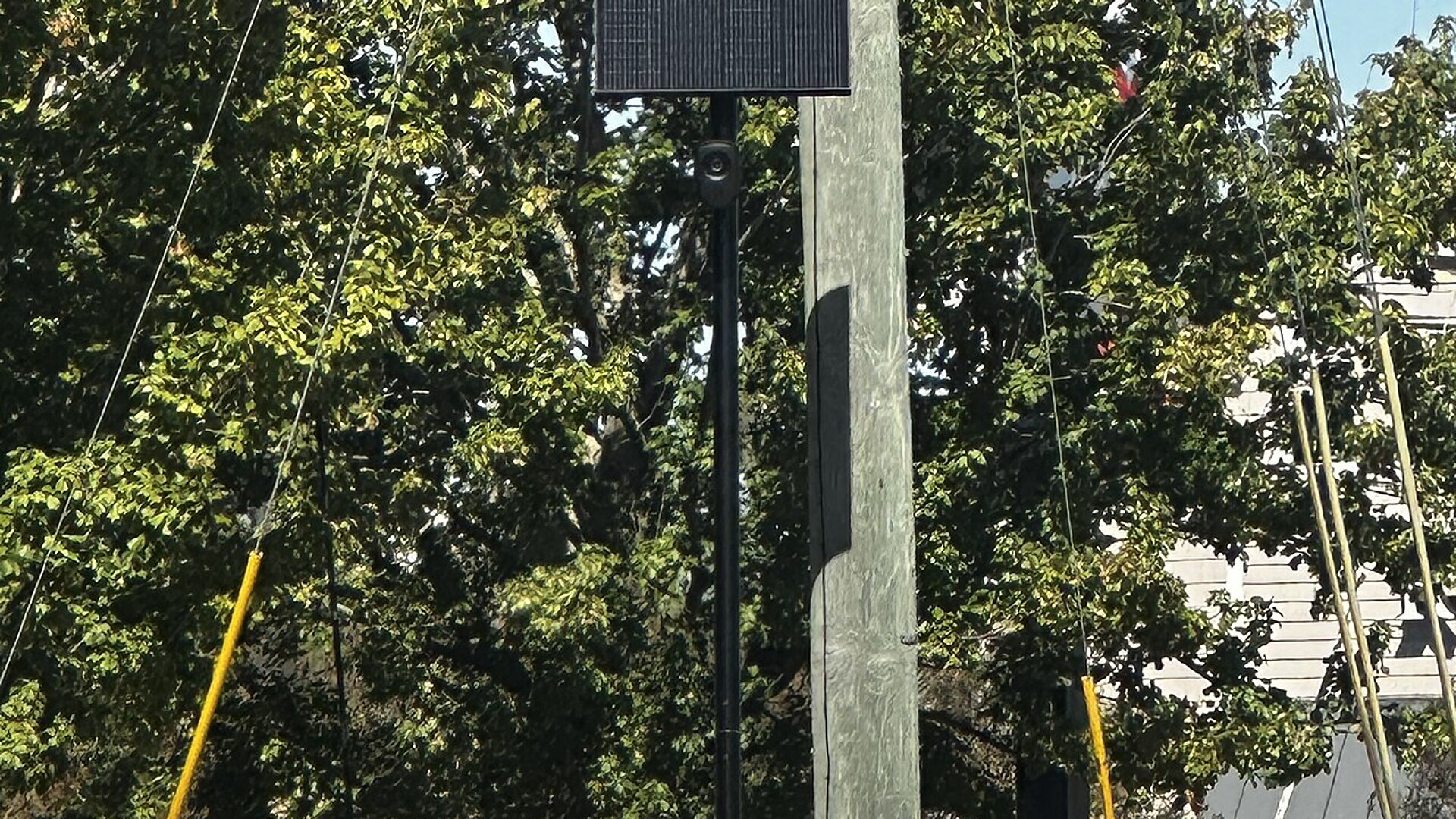
The job was not small. The Henrico Citizen counted all 128 cameras still up on Oct. 29, and reported the network had grown to 122 stationary and six mobile units since Henrico Police first partnered with Flock in 2022. County Attorney Andrew Newby told the paper the cameras were deactivated and not connected to any system, and that many sit on posts set in concrete. That is why the poles are still standing. At the $2,500-per-camera annual rate in Flock’s October 2022 offer to the county, 128 cameras would run $320,000 a year. That is The Auto Wire’s arithmetic at 2022 prices; the 2026 rate is not in the documents I could read.
Virginia gives the stored plate images 21 days to live
Switching off the cameras did not erase what they had already captured. Virginia’s Code section 2.2-5517 requires system data to be purged 21 days after capture, destroyed so it cannot be recovered, with a longer hold allowed when the images are part of an ongoing investigation, prosecution or civil case. Henrico’s amendment writes the same rule into the contract: system data is purged after 21 days, or sooner if the county asks, and is not recoverable by Flock or the county. The same amendment makes the data the county’s property.
If Flock stopped capturing on Oct. 14, the last images age out on Nov. 4 under that rule. That is my count from the dates in the statute and the county’s termination notice. Nothing I reviewed says whether Henrico asked for an earlier purge. The audit trail, the log of who searched the system and why, follows a separate rule: it is kept two years from capture, which puts its latest purge date in October 2028 for searches run this month.
The Chesterfield case and what the state law punishes
Henrico announced Oct. 6 that it would end the program over data collection, data access and privacy, and county officials said the decision followed talks with residents, police, experts and board members. It also followed a case next door. Chesterfield County Police charged a civilian intelligence investigator in October with two counts under Virginia’s plate-reader law, and Virginia State Police obtained two computer-invasion-of-privacy counts, WTVR reported. The department said supervisors audited the employee’s queries after coworkers raised concerns. Those are charges, not findings, and the WTVR report listed no court dates.
The statute is specific about what counts. Willful and intentional unauthorized querying or use is a Class 1 misdemeanor, a plate match alone is not reasonable suspicion for a stop, and agencies must audit their use at least every 30 days and post their policy and annual report publicly. Evidence gathered in violation of several of its subsections cannot be used by the Commonwealth in criminal or civil cases.
There is a public-safety argument on the other side. Miles Turner, a retired Central Virginia law enforcement officer who used Flock cameras in Caroline County, told WTVR that real-time alerts on stolen or wanted vehicles help detectives on robberies, homicides and sexual assaults, and that Henrico’s decision would hurt more than help. Henrico officials said they believe their police used the data responsibly.
Henrico has no replacement system on record
Newby told the Citizen on Oct. 29 that he knew of no effort to buy a replacement, and that such contracts do not require public approval. The county has said it will look at other technology options for police. Neighbors are moving the same way: Richmond quit Flock after Henrico did, and Alexandria told Flock to stop on Oct. 27. Still unsettled: whether Flock hauls off the cameras and the poles, and who pays for a Saturday of public-works labor. A replacement vendor, if one shows up, can arrive on a contract the public never votes on.
Was Henrico right to pull all 128 cameras, or should it have kept them under Virginia’s 21-day limit and audit rules?