
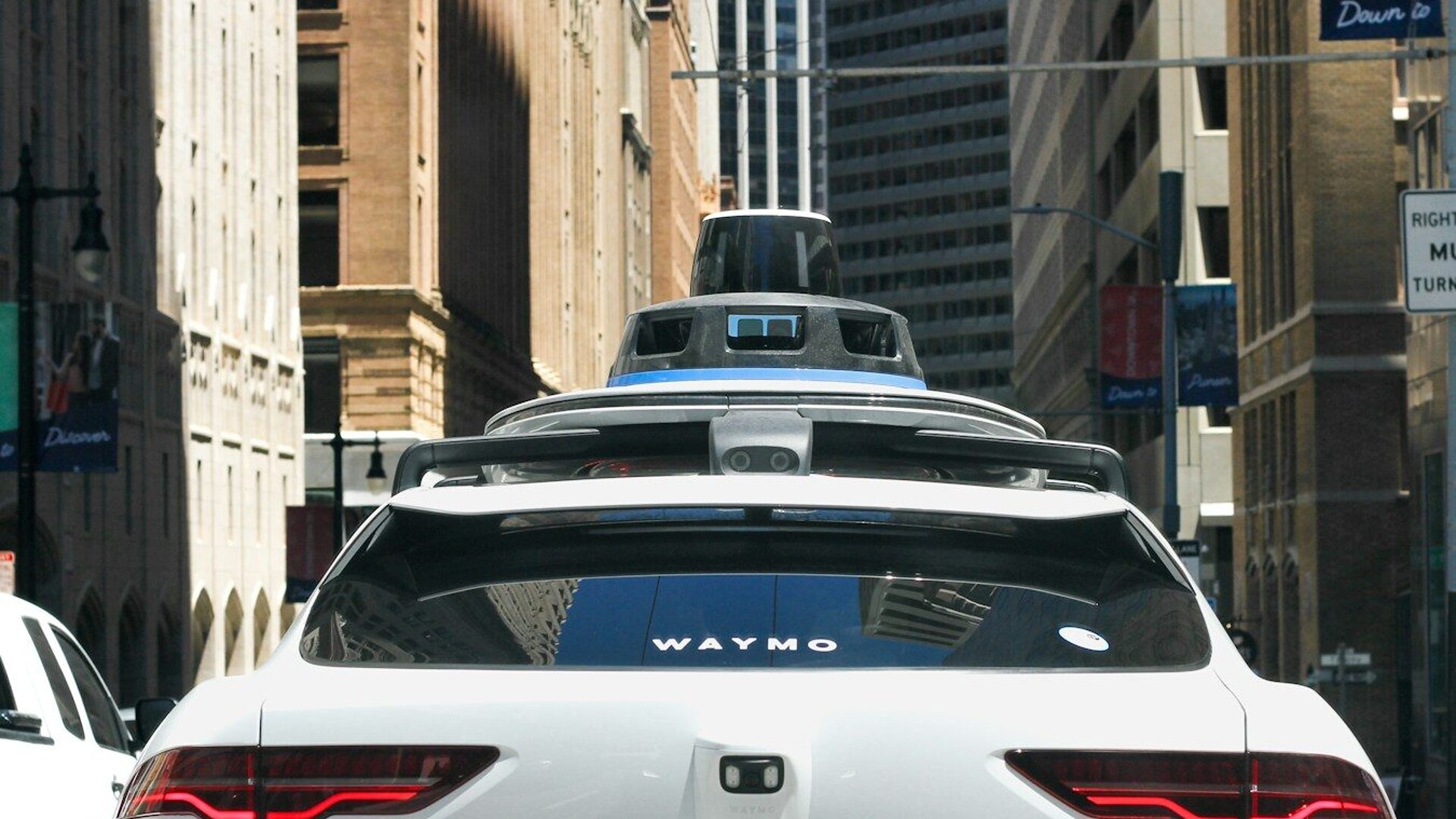
Waymo doesn’t put robotaxi recall letters in anyone’s mailbox. It files paperwork with federal regulators and pushes a software update overnight. Waymo said it filed two safety recalls with the National Highway Traffic Safety Administration on Thursday. That was November 19. One covers closed freeway lanes. The other covers intersections where a person directs traffic by hand. The timing is hard to miss: California’s DMV had already ordered Waymo’s driverless cars off every freeway in the state. thestar
What Waymo filed
Waymo said the recalls are meant to improve how its driving software handles “closed freeway lanes and intersections with manual traffic control.” The closed freeway lanes recall stems from unusual circumstances where a Waymo vehicle may enter and continue driving in a closed freeway lane, the company said, adding it is still working on the recall remedy. Waymo said there were no collisions or injuries reported from the closed freeway events. claimsjournal
Related Articles
- An Atlanta Shop Spends 900-Plus Hours Making a Brand-New Mustang Look Old. It Starts at $295,500
- A Federal Housing Official Was Stopped at an Alleged 109 MPH in Virginia. Since July, That Speed Means Losing Your License or Getting a Speed Limiter
The second recall follows a collision in which a Waymo followed directions from an officer, but the officer was then temporarily obstructed. Waymo says that software update was finished November 6. claimsjournal
We don’t yet know how many vehicles are covered. NHTSA hadn’t posted the Part 573 reports for either filing at press time, so the vehicle counts and timelines are still blank.
Why California pulled the plug
The DMV issued the operational restrictions on Waymo on November 11. The agency said it acted after an incident involving three Waymo vehicles entering an active construction site on the 101 freeway near Burlingame and another involving a Waymo vehicle obstructing CHP police vehicles on highway 280 in San Francisco. The DMV called the freeway operations an “imminent hazard to public safety” and cited repeat incursions despite a prior restriction and corrective actions implemented following similar incidents. The restrictions will remain in place until Waymo can demonstrate that it has taken “effective corrective actions”. Waymo responded by stopping freeway rides in every market, not just California, though Waymo says freeway testing will continue with trained specialists behind the wheel. Waymo suspends freeway rides nationwide after California DMV order
The I-280 incident involved what is reportedly a CHP traffic break. That’s when patrol cars weave across every lane with lights on to slow traffic behind them, usually to clear debris or set up a closure. Human drivers recognize it immediately. My guess, and it is only a guess, is that software built to keep traffic moving could read a slow wall of cars with open road ahead as congestion to get around.
A rerun
This is the second time this year. Waymo’s June recall, 26E035, covered 3,871 vehicles running its fifth-generation system. The filing lists one event in Phoenix where an AV drove past ramp closure signs into a pre-planned freeway construction zone in April, plus five more like it. Then seven AVs entered freeway lanes with active construction in the San Francisco Bay Area by driving between lane-closure cones. Waymo blamed software that was either inappropriately prioritizing other freeway hazards or failing to recognize the construction zone. nhtsa
The June fix also improves response to authorized emergency vehicles in construction zones. Five months later, the state is citing a Waymo that tried to get past CHP on a closed-down interstate. nhtsa
Related Articles
- The 2027 Hyundai Elantra Grew 3.4 Inches and Got an AI Assistant. Hyundai Still Won’t Say What It Costs
- A Denza SUV Towed a 180-Tonne Boeing 747 at Top Gear’s Old Track on Two Wheels, Without Burning Any Gas
On November 6, NHTSA opened recall query RQ26006 into Waymo’s school-bus fix after finding that a majority of the incidents identified during PE25013 occurred after the November 17, 2025 remedy date. Add May’s flooded-road recall and Waymo has five recall filings in under a year. static.nhtsa.gov
Recalls are cheap. Restrictions aren’t.
Recalls barely cost Waymo anything. Waymo owns all affected vehicles, so no owner, dealer, or distributor notifications were needed. No service bays, no parts backorders, no letters to owners. The real cost shows up when regulators restrict where the cars can drive, and the real test is whether NHTSA starts auditing whether a fix actually works. The school-bus query shows it already has. nhtsa
California now keeps a paper trail. Under a DMV enforcement memo effective July 1, a peace officer can issue a notice to an autonomous vehicle manufacturer when they observe an alleged traffic violation. Manufacturers must submit each notice to the California DMV electronically within 72 hours of receipt, or within 24 hours if priority review is marked. Every run-in with CHP now leaves a record that regulators can count. www.dmv.ca.gov
Liability is simple. No private owner stands between a crash victim and the company. If a robotaxi hits something in a work zone, the claim goes to Waymo. Highway crews are the ones most exposed when software drives through the cones.
For riders, expect surface-street routes until California is satisfied. Filing a recall is easy. Proving to the DMV that the fix works is harder, and a closed-lane remedy that Waymo is still writing won’t do it. Bay Area riders: has losing freeway routes added time to your Waymo trips, or sent you back to Uber?