
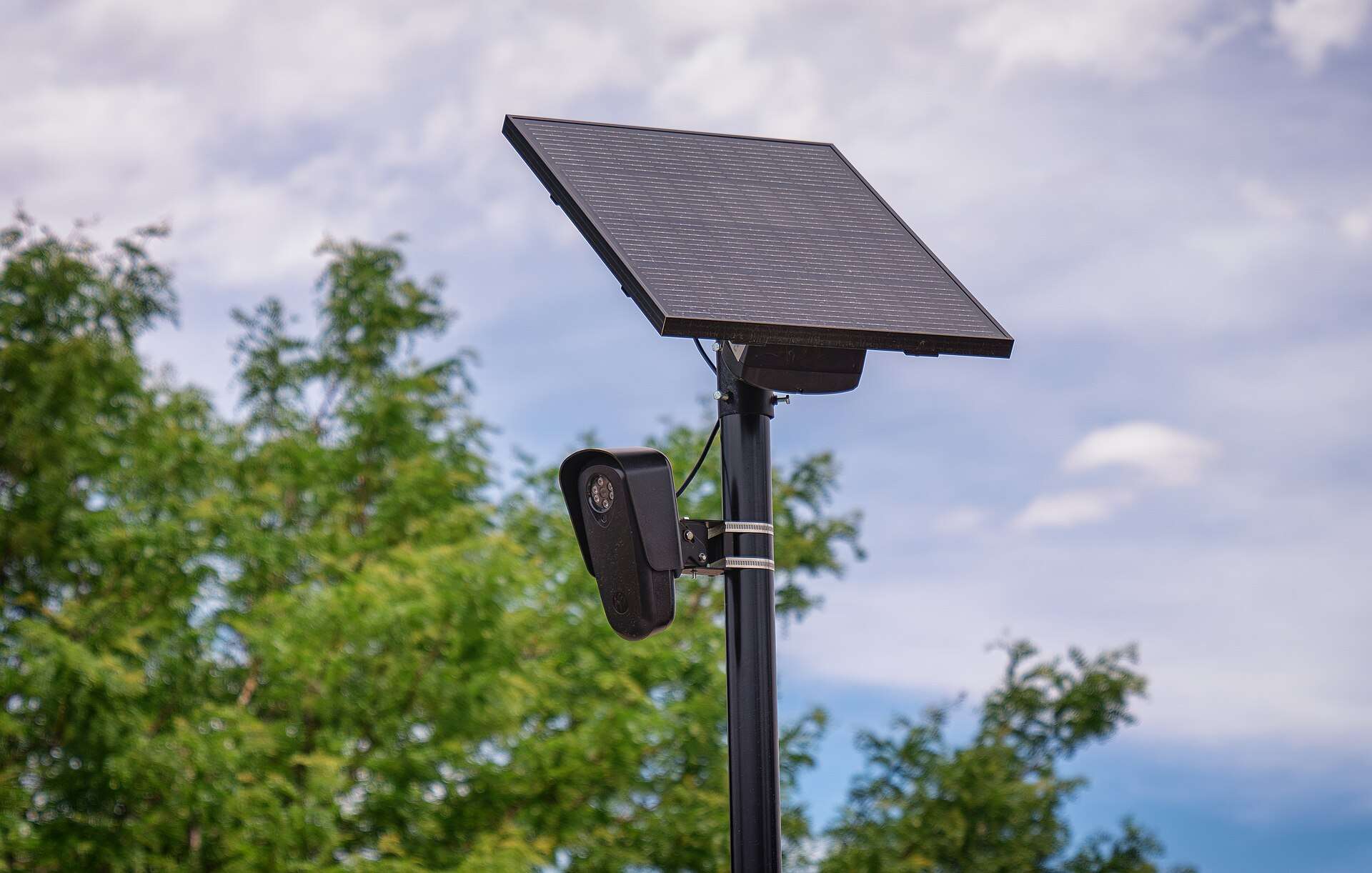
Alexandria, Va., was due to have all 61 of its Flock Safety license plate cameras dark by Friday, Oct. 30. Police Chief Tarrick McGuire told the City Council at its Oct. 27 meeting that he had notified Flock that evening that the city was discontinuing the program, and that he expected the cameras to be deactivated by Friday, Oct. 30, the Alexandria Brief reported. City Manager James Parajon told council, “The Flock contract is canceled.”
Parajon also said the data would be turned off within 48 hours, and McGuire’s goal is to have the hardware removed by the end of December, NBC Washington reported. Neither report says the stored plate reads will be deleted, and I could not find a city press release or council document that addresses it. That is the question that matters to drivers, because Virginia law puts a clock on it.
Turned Off Is Not the Same as Purged
Under Virginia Code § 2.2-5517(E), plate-reader system data “shall be purged after 21 days of the date of its capture.” Data tied to an ongoing investigation, prosecution or civil action is kept until the investigation closes without charges or the matter is finally resolved. Audit trail data, the records of how the system was used, must be purged after two years and “destroyed and not recoverable by either the vendor or the law-enforcement agency.”
The Auto Wire’s math: a plate read captured Oct. 30, the last day the cameras were due to run, reaches the 21-day limit on Nov. 20 unless it is part of a case. Subsection B has the vendor certify that it can purge on those schedules, that it will not sell or share data gathered in Virginia, and that it will touch the data only at the agency’s request for maintenance and quality assurance. Ending a contract and turning off access are different acts from the purge the statute describes.
Alexandria police’s Flock transparency page, last updated Nov. 24, 2025, lists 21-day retention, which matches the statute. It also says access records are kept indefinitely, while the statute sets two years for audit trail data. I found no city or Flock statement reconciling the two.
For a driver pulled over after a camera alert, subsection M says a notification alone is not reasonable suspicion for a stop. Before stopping the car, an officer has to develop independent reasonable suspicion or confirm that the plate or vehicle description matches the database that produced the alert.
The Council Had Been Cooling on Flock Since September
At a September council meeting, Mayor Alyia Gaskins said she did not think Flock has a role in the city, and two council members agreed, Fox 5 DC reported. Fox 5 also reported that police told the council the data is kept for 21 days, is not used for immigration enforcement, and is not open to federal or out-of-state agencies without a court order, and that the council asked police to research other vendors. By Oct. 27, the vice mayor said the council’s coming action is not a switch to another vendor, according to the Brief. Fox 5 did not report what the contract costs, and I found no figure elsewhere.
The police transparency page describes the cameras’ job as hotlist alerts, including Amber Alert and NCIC lists, and after-the-fact searches, and cites two 2023 cases in which a hit led to a recovered stolen vehicle and a located missing juvenile. It also lists traffic enforcement as a prohibited use, so shutting the cameras off does not touch ticketing. The city’s separate Seminary Road school-zone speed camera, where Alexandria acknowledged 834 tickets were issued illegally early, is a different program.
Other Virginia Jurisdictions Have Pulled Back Too
NBC Washington reported that Arlington and Dumfries removed Flock cameras in September and that Fairfax County paused expanding its program in late September pending a review, a fight The Auto Wire covered in Fairfax’s Flock camera showdown. NBC Washington also reported that state Sen. Lashrecse Aird (D-Petersburg) said in September that she had filed an initial draft of a bill to ban plate readers statewide. Not every city is leaving: Inkster, Mich., announced a 10-year Flock expansion on Oct. 13.
What Happens Next in Alexandria
Council takes up guidance and protocols for future surveillance technology on Nov. 10, and the hardware is due out by year-end. Under subsection I of the statute, a law enforcement agency that uses a plate system must report to State Police by April 1 each year, covering categories that include camera counts, query totals and stops, and State Police report the aggregate to the governor, the General Assembly and the Virginia State Crime Commission by July 1.
Alexandria says it kept to Virginia’s 21-day limit and still pulled the plug. If your city’s cameras followed the same rules, would that be enough for you, or is the camera itself the problem?